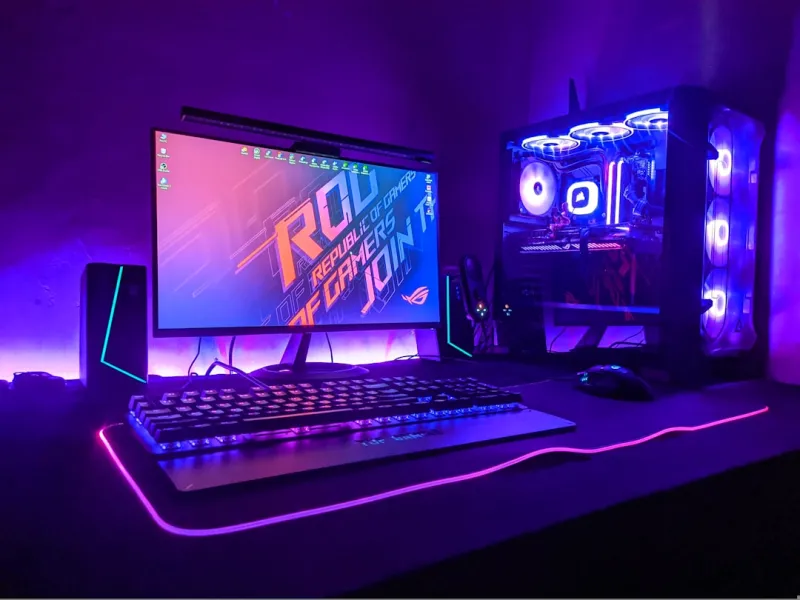
When I first built my rig back in the early 2020s, every upgrade felt like a gamble—will this component actually move the needle, or will it just sit pretty and collect dust? Fast‑forward to 2026, and the landscape has evolved from guesswork to data‑driven strategy, thanks to clearer performance benchmarks and smarter AI‑based recommendation tools. As someone who’s swapped out CPUs, GPUs, and even the chassis multiple times, I’ve learned that a successful upgrade isn’t just about buying the flashiest part; it’s about aligning each piece with your primary use case, budget constraints, and the inevitable future‑proofing factor. In this deep dive, I’ll walk you through the upgrades that truly matter this year, from the processor core to the power supply, and sprinkle in a few insider tips that have saved me countless hours of troubleshooting.
Choosing the Right CPU for 2026 Workloads
The processor is still the brain of your machine, but its role has expanded beyond raw clock speed. Modern workloads—especially AI‑assisted content creation, real‑time ray tracing, and cloud‑edge hybrid compute—demand cores that excel at parallel processing and have built‑in AI accelerators. In 2026, the flagship options from both AMD and Intel now sport hybrid architectures that blend high‑performance cores with efficiency cores, delivering a smoother multitasking experience while keeping power draw in check. When I upgraded my own system, I opted for a chip that not only topped benchmarks in traditional gaming but also offered dedicated tensor cores for AI tasks. If you spend a lot of time in video editing or using AI‑enhanced apps, look for a CPU that advertises “AI inference” support out of the box; the performance uplift can be the difference between a laggy render and a fluid workflow.
GPU Upgrades: Performance and Stability
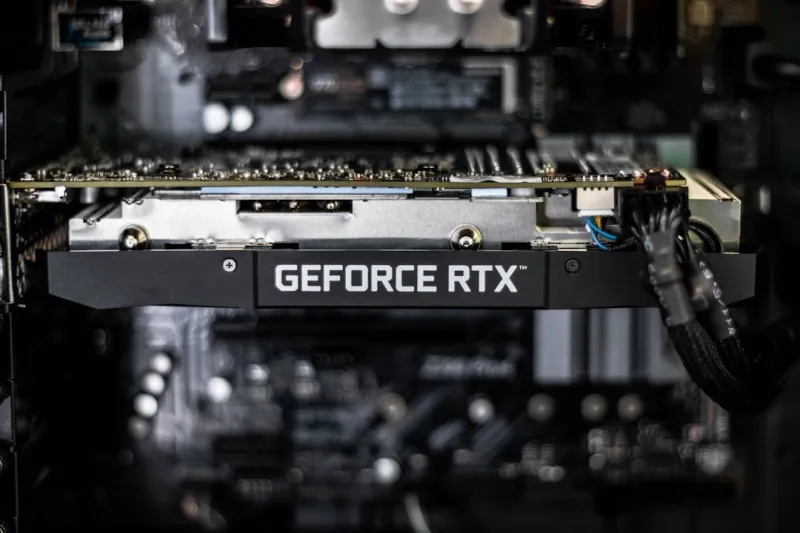
Graphics cards have always been the most visible upgrade, but in 2026 the conversation has shifted from pure FPS numbers to stability under heavy AI and ray‑tracing loads. Many users report sudden crashes when pushing the newest titles or AI‑driven workloads, and the culprit is often an outdated driver stack or insufficient VRAM for the massive texture pipelines. I’ve personally wrestled with a mid‑range GPU that kept resetting under extended gaming sessions, and the fix was a combination of a BIOS update and a fresh driver install. For a comprehensive troubleshooting guide, check out Why Your GPU Keeps Crashing and How to Fix It in 2026. When selecting a new GPU, prioritize models with at least 12 GB of GDDR7 memory and look for manufacturers that provide a robust driver support roadmap for the next three years.
Memory Matters: DDR5 vs. DDR6
Memory upgrades used to be a simple “more is better” mantra, but the emergence of DDR6 has added nuance to that equation. DDR5 remains a solid choice for most gamers and office workstations, offering respectable bandwidth and low latency at a reasonable price point. However, DDR6 introduces a notable jump in transfer rates—up to 64 GB/s per channel—which can shave seconds off large data‑intensive tasks like 3D rendering or large dataset processing. If you’re experiencing random freezes or “memory not found” errors, the diagnostic steps outlined in Diagnosing and Fixing RAM Issues in Modern PCs can help pinpoint whether the issue is a timing mismatch or a failing module. In practice, I found that pairing a DDR6 kit with a compatible motherboard not only boosted my benchmark scores but also reduced latency spikes during AI model training sessions.
Storage Speed: PCIe 5.0 NVMe Drives Take the Lead
SSD technology has reached a point where the bottleneck is no longer the drive itself but the surrounding ecosystem—PCIe lanes, motherboard firmware, and even operating system caching strategies. In 2026, PCIe 5.0 NVMe drives have become mainstream, delivering sequential read speeds that exceed 14 GB/s and write speeds that comfortably sit above 12 GB/s. When I swapped my older PCIe 4.0 drive for a PCIe 5.0 model, boot times fell from 7 seconds to under 3, and large game installations that used to take 15 minutes were down to just 5. If your motherboard supports it, pairing a high‑end NVMe with a dedicated heatsink is a smart move; thermal throttling can still rear its head under sustained writes, especially in compact builds.
Motherboard Mastery: The New Heartbeat of Your PC
The motherboard is often overlooked, yet it dictates the future upgrade path of every other component. In 2026, we’ve seen a surge of boards that integrate advanced power delivery, AI‑assisted overclocking, and even built‑in Wi‑Fi 7 modules. These innovations not only improve raw performance but also simplify the upgrade process by providing more robust BIOS interfaces and automated tuning profiles. If you’re unsure whether your current board can keep up, a deep dive into Motherboard Mastery: How 2026’s Innovations Redefine the Heart of Your PC will give you a roadmap for selecting a platform that supports the next generation of CPUs, DDR6 memory, and PCIe 5.0 storage without a full system overhaul.
Power Delivery and Cooling: Keeping the Beast Tamed
As we push components to their limits, the power supply and cooling solution become the unsung heroes that prevent catastrophic failures. Modern 80 PLUS Platinum PSUs now offer efficiency ratings above 94 % even under half‑load conditions, which translates to lower heat output and quieter operation. Coupled with hybrid cooling solutions—liquid for the CPU and high‑static‑pressure fans for the GPU—you can maintain optimal temperatures while overclocking. In my own builds, I’ve transitioned from a 650 W Bronze unit to an 850 W Platinum model, and the difference in system stability during extended AI training sessions was stark. Don’t forget to factor in headroom for future upgrades; a PSU that’s barely adequate today can become a limiting factor tomorrow.
Connectivity Upgrades: From Wi‑Fi 7 to AI‑Driven Networking
Network performance is often the invisible bottleneck that slows down everything from game matchmaking to cloud‑based AI inference. With Wi‑Fi 7 finally rolling out at scale in 2026, you can expect up to 30 Gbps theoretical throughput, lower latency, and smarter spectrum allocation. Pairing a Wi‑Fi 7‑compatible motherboard or add‑in card with a router that supports OFDMA and MU‑MIMO will future‑proof your setup for the next wave of high‑bandwidth applications. For a broader look at how networking is evolving this year, see Network Evolution in 2026: From Wi‑Fi 7 to AI‑Driven Zero‑Trust. Don’t overlook Ethernet upgrades either; 2.5 GbE and even 10 GbE are becoming affordable options for those who demand rock‑solid, low‑latency connections.
Software Tweaks: Unlocking the Full Potential of Your Upgrades
Hardware is only half the story; without the right software foundation, you’ll never extract the full performance you’ve paid for. This means keeping your BIOS up to date, leveraging AI‑driven driver suites, and fine‑tuning power profiles within the operating system. I recently followed the guide in Unlock the Power of Your PC: Strategic Upgrades for 2026, which walks you through creating custom power plans that prioritize performance for gaming or efficiency for content creation. Additionally, modern OSes now offer built‑in telemetry dashboards that can pinpoint bottlenecks in real time, allowing you to adjust fan curves, memory timings, or GPU clock speeds on the fly. A disciplined approach to software maintenance—regular driver refreshes, BIOS patches, and OS updates—can shave off milliseconds in latency and prevent the dreaded “random crash” syndrome.
Final Thoughts: Budgeting, Timing, and Future‑Proofing
At the end of the day, the best upgrade strategy balances immediate needs with long‑term vision. Set a realistic budget, prioritize components that deliver the most noticeable impact for your primary tasks, and leave room for incremental improvements—like adding a second NVMe drive or a higher‑capacity PSU down the road. Remember that the tech cycle in 2026 is shorter than ever; what’s cutting‑edge today might be mid‑range in 18 months. By focusing on modular, high‑quality parts—especially a robust motherboard and a reliable power supply—you’ll ensure that each subsequent upgrade feels like a natural evolution rather than a costly overhaul. Stay curious, keep an eye on emerging standards, and, most importantly, enjoy the process of building a machine that feels uniquely yours.