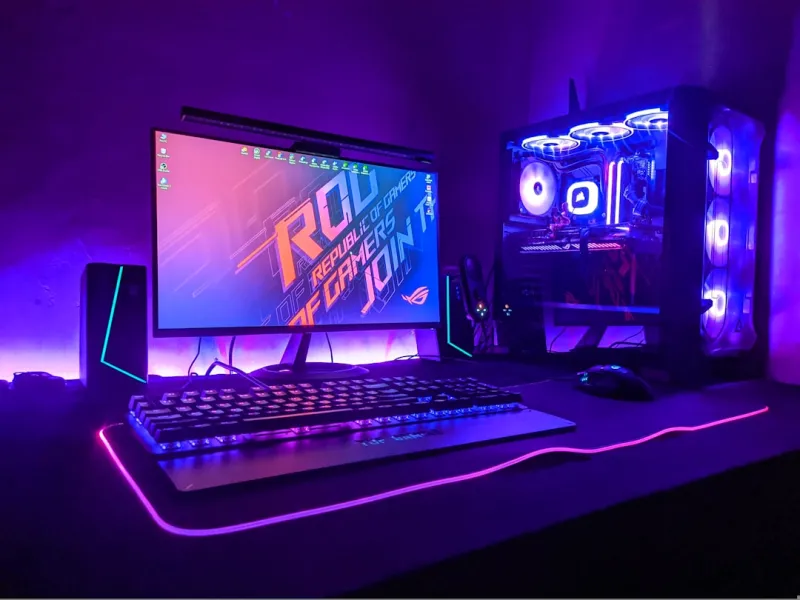
If you’ve been staring at the same rig for a year or more, the feeling that something’s “just not right” is probably more than a nostalgic longing—it’s a clear signal that the PC upgrade market is humming with fresh, game‑changing options. In 2026, the convergence of AI‑accelerated workloads, ultra‑high‑refresh displays, and the rise of cloud‑augmented gaming has turned a routine component swap into a strategic move. I’ve spent the past decade tearing apart and rebuilding machines, and I can say with confidence that today’s upgrades are less about raw horsepower and more about harmonizing performance, efficiency, and future‑proofing. Whether you’re a creator chasing seamless 8K timelines, a competitive gamer demanding sub‑1 ms latency, or a home‑office pro needing rock‑solid stability, the right upgrade path can unlock a whole new level of productivity. To help you navigate this evolving terrain, I’ll walk through the most compelling upgrades you can make right now, and sprinkle in a few proven resources like a smarter upgrades guide that’s already helped thousands of enthusiasts avoid costly missteps.
CPU: The Brain Gets Bigger, Smarter, and More Efficient
The central processing unit remains the cornerstone of any serious upgrade, and 2026’s lineup is nothing short of spectacular. AMD’s latest Zen 5+ chips push core counts to 24 threads while shaving up to 15 % off power draw compared to the previous generation, thanks to a refined 5 nm process and AI‑guided boost algorithms. Intel, not to be outdone, has rolled out its 14th‑gen “Meteor” series, featuring hybrid architecture that pairs high‑performance cores with ultra‑efficient efficiency cores, delivering a seamless balance for both single‑threaded gaming and multi‑threaded content creation. What’s truly exciting is the rise of integrated AI accelerators that offload inference tasks, meaning software like Adobe’s generative tools can now run natively without a dedicated GPU. When selecting a new CPU, prioritize a motherboard with PCIe 5.0 support and a robust VRM design; this ensures you can fully leverage the extra lanes and power headroom that these processors demand. And remember, a stronger CPU isn’t just about speed—it reduces bottlenecks that can cause dreaded blue screens, a topic I explored in depth in fast, reliable recovery.
GPU: From Ray Tracing to AI‑Driven Upscaling
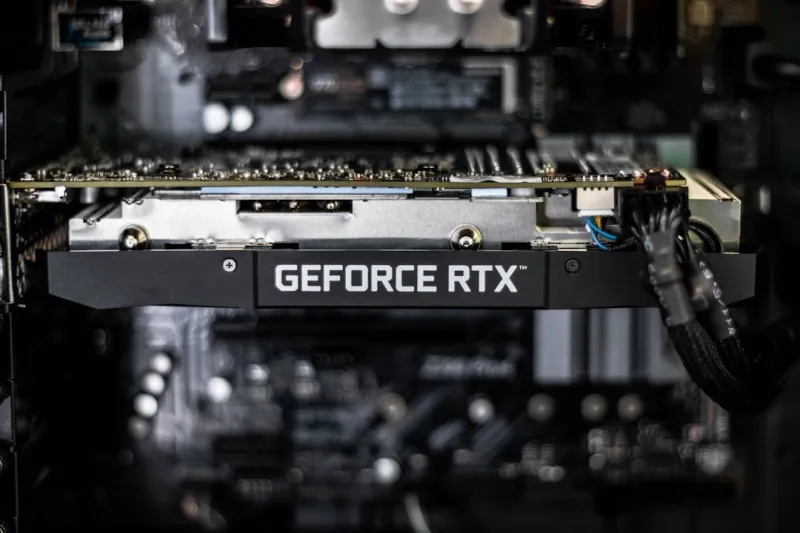
The graphics card market has finally settled after a whirlwind of supply chain drama, and the result is a lineup that feels like a leap from the previous era. NVIDIA’s RTX 5000 Series now ships with dedicated Tensor‑Core clusters that handle AI‑upscaled rendering at a fraction of the power cost, making 4K 120 Hz gameplay feel like a native experience. AMD’s Radeon RX 9 Series counters with an impressive 250 W TDP that still fits within mid‑range power supplies, thanks to their new “Infinity Cache” architecture which dramatically reduces latency. If you’re into creative work, both vendors have introduced “Pro” drivers that prioritize stability for software like DaVinci Resolve and Blender, reducing frame drops during heavy compositing tasks. A key upgrade tip: always pair a modern GPU with a motherboard that supports PCIe 5.0 x16, as the bandwidth boost is most noticeable in high‑resolution, high‑refresh scenarios. And don’t forget to keep your GPU BIOS up to date—this alone can resolve many compatibility quirks that were once considered “hard to fix,” a scenario I detailed in troubleshooting modern video cards.
Storage: NVMe Takes the Lead, But HDDs Still Have a Role
When it comes to storage, the debate isn’t “SSD vs. HDD” any longer—it’s about choosing the right type of SSD and understanding when a spinning platter still makes sense. NVMe 2.0 drives now top out at 14 GB/s sequential reads, making load times for massive open‑world games almost negligible. For most users, a 2 TB PCIe 5.0 NVMe drive offers the sweet spot between capacity and cost, and the performance gains are evident when moving large 8K video files or loading complex 3D scenes. However, I still advocate keeping a modest 4‑TB 7200 RPM HDD for archival purposes; modern hard drives have benefitted from higher areal densities and smarter firmware, extending their relevance for bulk storage at a fraction of SSD prices. This hybrid approach aligns with the insights from why the spinning platters still matter. Pair your primary NVMe with a reliable SATA SSD for caching, and you’ll notice smoother multitasking without sacrificing storage economics.
Memory: DDR5 Becomes Mainstream, DDR6 on the Horizon
Memory upgrades are often overlooked, yet they can deliver a noticeable bump in both gaming and professional workloads. DDR5‑5600 kits have finally reached price parity with DDR4‑3200, delivering higher bandwidth and lower voltage operation, which translates to lower heat and better stability under overclock. For creators working with massive texture libraries or running virtual machines, 32 GB is now the baseline, while power users might consider 64 GB kits that leverage the dual‑channel architecture for seamless data flow. The upcoming DDR6 standard promises to double data rates again, but early adopters should weigh the cost versus the actual benefit—most current titles and productivity apps haven’t yet tapped the full potential of DDR5. When installing new RAM, pay close attention to the motherboard’s QVL (Qualified Vendors List) and enable XMP profiles in the BIOS to ensure you’re extracting the advertised speeds without manual tuning.
Cooling & Power: Efficiency Is the New Performance Metric
As CPUs and GPUs push higher performance envelopes, the supporting ecosystem—cooling and power delivery—must keep pace. 2026 has seen a surge in AIO coolers that integrate low‑profile radiators with AI‑controlled pump speeds, adapting to real‑time thermal loads and keeping noise under 20 dBA during heavy tasks. If you’re a silent‑PC enthusiast, look for units that pair a 240 mm radiator with a PWM‑controlled fan curve. On the power side, 80+ Platinum and the emerging 80+ Titanium certifications deliver up to 96 % efficiency, reducing heat and electricity costs—a win for both the environment and your wallet. When upgrading, ensure your PSU’s modular cables are compatible with the latest GPU power connectors (12‑pin and 16‑pin variants) and that the unit supplies at least 20 W per PCIe lane for future‑proofing. A well‑balanced power and cooling setup not only extends component lifespan but also minimizes the dreaded “thermal throttling” that can sabotage high‑frame‑rate gaming sessions.
Software & OS: Drivers, Firmware, and the Modern OS Landscape
Hardware upgrades are only half the battle; without the right software foundation, you’ll never reap the full benefits. In 2026, operating systems have become more modular, offering streamlined kernel updates that reduce reboot frequency—a boon for developers and gamers alike. Keeping your OS patched is essential, especially as new CPU and GPU features rely on the latest drivers. I recommend following the guidance in Navigating the Modern OS Landscape to stay ahead of compatibility issues. Additionally, many motherboard manufacturers now bundle AI‑driven firmware that auto‑optimizes memory timings and power phases based on your workload. Enable these utilities, but also maintain a manual backup profile in case you need to revert. Finally, don’t overlook the impact of background services; disabling unnecessary startup programs can free up CPU cycles that translate directly into smoother performance in both gaming and content creation.
Future‑Proofing & Budgeting: Making Smart, Incremental Choices
One of the biggest pitfalls I see in the PC community is the “all‑or‑nothing” upgrade, where users replace everything at once and end up overspending. A smarter approach is to identify the bottleneck that most hinders your workflow and address it first. Use tools like Windows Performance Analyzer or Linux’s perf to pinpoint whether it’s the CPU, GPU, storage, or memory that’s the limiting factor. Once you’ve isolated the issue, allocate roughly 60 % of your budget to that component, 30 % to supporting hardware (like a better PSU or cooler), and 10 % to accessories or peripherals. This tiered strategy aligns well with insights from Critical Tech Updates, which emphasize the importance of aligning upgrades with emerging standards such as PCIe 5.0 and DDR5. By planning upgrades in stages, you not only spread out the expense but also give yourself the flexibility to adopt newer technologies—like DDR6 or PCIe 6.0—when they become more affordable.
Conclusion: Your Upgrade Journey Starts Now
In the rapidly evolving tech climate of 2026, staying static is no longer an option for anyone who wants to extract maximum value from their PC. From the CPU’s AI‑accelerated cores to the GPU’s real‑time ray tracing, from blazing‑fast NVMe storage to intelligently managed power and cooling, each upgrade path offers a tangible boost that can transform how you work and play. Remember, the key isn’t just about chasing the newest spec sheet—it’s about building a balanced system that aligns with your specific needs and budget. Take the time to audit your current setup, prioritize the component that’s truly holding you back, and then follow a measured, research‑driven plan. Your future self will thank you when your rig handles 4K gaming, AI‑enhanced video editing, and the next wave of software innovations without breaking a sweat. Happy building, and may your upgrades be as smooth as the frames you chase!