When I first built my rig back in the early 2020s, I thought a “set‑and‑forget” approach would keep me cruising for years. Fast‑forward to 2026, and the reality is that a well‑timed upgrade can feel like buying a brand‑new machine without the hassle of reinstalling every app. The PC upgrade landscape has shifted dramatically thanks to tighter integration between hardware and software, and the rise of AI‑accelerated workloads that gobble up cycles like never before. Whether you’re a content creator, a competitive gamer, or a power‑user who scripts automation pipelines daily, the sweet spot for a performance boost often lies in a strategic swap rather than a full rebuild. In this post I’ll walk you through the most impactful upgrades you can make right now, why they matter, and how to avoid common pitfalls that waste both time and money. Think of this as a living checklist you can return to whenever you hear the latest buzz about a new chipset or a faster SSD hitting the shelves.
CPU: The Heartbeat That Still Beats the Drum
The central processing unit remains the single most influential component for overall system responsiveness. In 2026, we’ve seen a steady march toward 16‑core mainstream CPUs, with many manufacturers offering a blend of high‑frequency cores and power‑efficient efficiency cores. If your current processor is still lingering in the 8‑core, sub‑4 GHz zone, you’re likely feeling the slowdown in multitasking, especially when compiling code or rendering video. Upgrading to a 12‑core or higher chip not only slashes render times but also improves latency for AI‑driven applications that rely on parallel processing. Remember to pair the new CPU with a compatible socket—don’t assume older motherboards will accept the latest silicon without a BIOS update. A clean installation of the chipset drivers, followed by a quick tweak in the power plan, can unlock up to a 25 % performance bump in everyday tasks. And for those who love to squeeze every ounce of horsepower, consider a modest overclock, but keep an eye on thermals to avoid throttling.
GPU: Visual Power Meets Compute Muscle
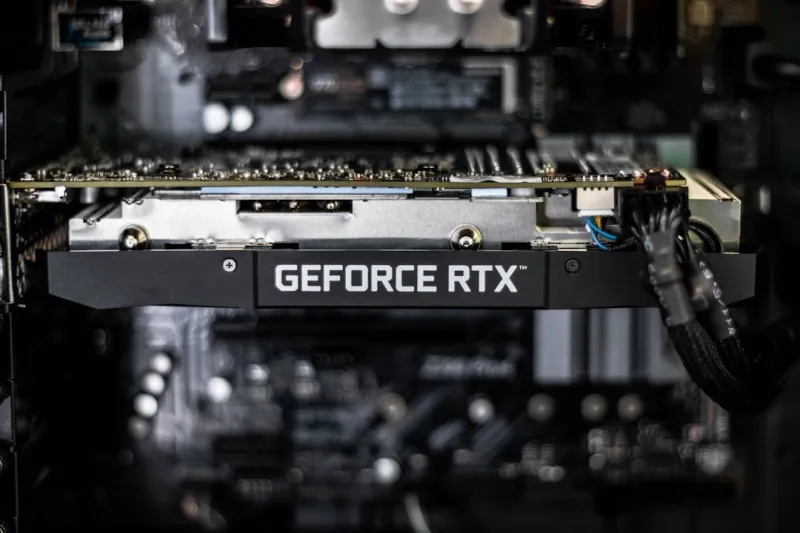
The graphics card is no longer just a tool for gaming; it’s a workhorse for machine‑learning inference, video encoding, and even cryptocurrency mining in niche scenarios. Modern GPUs now sport dedicated tensor cores and ray‑tracing units that accelerate workloads far beyond traditional rasterization. If you’re still running a card from the previous generation, you could be missing out on up to 40 % faster frame rates and dramatically reduced rendering times. When selecting a new GPU, pay attention to VRAM capacity—8 GB is the bare minimum for 4K content creation, while 12‑16 GB is ideal for complex 3D scenes. Don’t overlook the power connector layout; a mismatched PSU can force you to downgrade or add an expensive adapter. To help you navigate this maze, check out my guide on How to Choose the Perfect GPU for Power Users, which breaks down benchmarks, pricing trends, and future‑proofing tips in plain language.
Memory: More Bandwidth, Less Bottleneck
DDR5 has finally become the mainstream standard, delivering higher transfer rates and lower voltage footprints compared to its DDR4 predecessor. If your board supports DDR5, upgrading from 16 GB to 32 GB can eliminate stutters in memory‑intensive applications like large‑scale data analysis or high‑resolution video editing. The key is not just capacity but also speed; look for kits with at least 5600 MT/s latency that match your motherboard’s supported profile. Dual‑channel configurations remain the sweet spot for most users, but quad‑channel setups can provide a noticeable uplift for professional workloads that stream massive datasets. Don’t forget to enable XMP (or its AMD equivalent) in the BIOS so your memory runs at its advertised speed. A quick stress test using tools like MemTest86 will confirm stability before you dive back into your day‑to‑day tasks.
Storage: From SATA to NVMe, the Speed Gap Widens
Storage upgrades are the easiest way to feel an immediate performance jump, especially when moving from a traditional SATA SSD to a PCIe 4.0 or PCIe 5.0 NVMe drive. The sequential read/write speeds of modern NVMe drives can exceed 10 GB/s, cutting boot times and large file transfers to a fraction of their former duration. If you’re still juggling a 500 GB SATA SSD for your OS and a separate HDD for media, consolidating everything onto a 2 TB NVMe will simplify your workflow and free up power for other components. For power‑users who need a balance between speed and endurance, consider a drive that offers a high TBW (terabytes written) rating, ensuring longevity under heavy write loads. My deep dive into storage choices—Mastering Hard Drive Choices for Power Users—covers everything from DRAM‑less NVMe to the latest PCIe 5.0 models, helping you match performance to budget.
Motherboard: The Unsung Hero of Compatibility
When you think about upgrades, the motherboard often gets overlooked, yet it dictates which CPUs, GPUs, and memory you can install. In 2026, boards equipped with PCIe 5.0 slots, robust power delivery phases, and integrated Wi‑Fi 6E have become the norm for high‑end builds. If you’re planning a significant CPU or GPU leap, verify that your board supports the required power draw and that the BIOS can handle the newest firmware. A common misstep is neglecting the VRM cooling; insufficient heatsinks can cause throttling under sustained loads. For anyone who’s ever stared at a mysterious POST error, my step‑by‑step guide on Master Motherboard Troubleshooting Like a Pro offers a systematic approach to diagnosing and fixing issues before they become roadblocks.
Power Supply and Cooling: The Backbone of Stability
Even the most cutting‑edge components will falter without a reliable power supply and effective cooling. A high‑efficiency (80 PLUS Gold or Platinum) PSU not only reduces electricity waste but also provides cleaner, more stable voltage rails—crucial for overclocked CPUs and power‑hungry GPUs. Aim for a unit with at least a 20 % headroom over your estimated wattage; this buffer accommodates future upgrades and prevents unexpected shutdowns. On the cooling front, the shift toward all‑in‑one liquid coolers for CPUs has become mainstream, offering quieter operation and lower temps than traditional air coolers. Pair this with a case that supports ample airflow and consider adding extra fans to exhaust hot air directly from the GPU area. Regular dust maintenance and applying fresh thermal paste every couple of years keep performance consistent and extend component lifespan.
Future‑Proofing: Building a Platform That Grows With You
One of the smartest strategies for PC upgrades is to adopt a modular mindset from the start. Choose a chassis that can accommodate larger GPUs, multiple storage devices, and additional cooling loops without a major redesign. Opt for a motherboard with spare PCIe slots and M.2 slots that support both NVMe and SATA drives, giving you flexibility as storage technologies evolve. Investing in a high‑capacity, high‑quality power supply now can save you from scrambling for a compatible unit when you add a second GPU or upgrade to a more demanding CPU. If you’re interested in a comprehensive roadmap for constructing a resilient system, take a look at my article on Building a Future‑Ready Power‑User PC, which walks through component selection, cable management, and scalability considerations in detail.
Software Tweaks: Let Your Hardware Shine
Hardware upgrades are only half the story; the software layer can either unlock or choke your new performance. In Windows 12, power‑user features like Dynamic Refresh Rate and AI‑driven resource allocation can automatically prioritize foreground applications, squeezing out extra frames in games or faster compile times in development environments. Make sure to enable the “Performance” power plan and keep your chipset drivers up to date through the manufacturer’s utility. For GPU drivers, use the “Game Ready” or “Studio” releases depending on your primary workload, and consider a clean reinstall to purge any lingering legacy files. If you need a refresher on the most effective Windows settings, my deep dive on Unlock the Windows Tips Power Users Swear By covers everything from startup optimization to advanced task scheduler tricks.
Putting It All Together: A Pragmatic Upgrade Roadmap
So, where do you start? Begin by auditing your current bottlenecks—use tools like HWInfo or MSI Afterburner to pinpoint whether CPU, GPU, memory, or storage is holding you back. Prioritize upgrades that address the most glaring limitation; for most users in 2026, that’s still the GPU or an NVMe storage swap. Allocate your budget with a 50‑30‑20 split: 50 % for the primary component (CPU/GPU), 30 % for supporting upgrades (RAM, storage, PSU), and 20 % for cooling and peripheral improvements. Remember to keep an eye on resale value—selling a well‑maintained older component can offset part of the new purchase. Finally, document your build steps and settings; a simple spreadsheet can save hours when you later need to troubleshoot or replicate the configuration. With a thoughtful approach, each upgrade feels like a fresh start, keeping your rig fast, reliable, and ready for whatever the next wave of software demands.