When I first got my hands on a custom‑built rig back in the early 2020s, the thrill of watching a GPU roar to life was pure alchemy. Fast‑forward to 2026, and that same rush is amplified by a cascade of breakthroughs that make today’s power‑user hardware feel like science‑fiction realized. From silicon that sips power like a caffeinated hummingbird to storage solutions that blur the line between RAM and disk, the landscape is both exhilarating and overwhelming. In this deep dive, I’ll walk you through the components that matter most, share the nuances that separate a good build from a legendary one, and sprinkle in a few insider shortcuts that have saved me countless hours of tinkering. Think of this as the ultimate playbook for anyone who refuses to settle for “good enough” and wants a machine that can dominate everything from 8K gaming to massive AI model training—all while staying cool, quiet, and future‑ready.
CPU Evolution: From Core Counts to Intelligent Architecture
The CPU market in 2026 has moved beyond the simple “more cores = better performance” mantra. Modern processors now integrate AI accelerators, dynamic cache scaling, and heterogeneous cores that switch between high‑performance and low‑power modes on the fly. This shift means that a 16‑core monster from a few years ago might actually lag behind a 12‑core chip with a dedicated AI engine when you’re running deep‑learning inference locally. When I’m configuring a workstation for video editing and real‑time ray tracing, I prioritize models that support hardware‑level thread scheduling and have a robust ecosystem of firmware updates. The ability to offload machine‑learning tasks to a built‑in tensor core not only speeds up rendering pipelines but also frees up the GPU for its primary graphics duties. Pair this with a motherboard that offers advanced power delivery and BIOS-level tuning, and you’ve got a CPU that’s not just fast—it's smart enough to adapt to the workload in real time.
GPU Landscape: Choosing the Right Beast for Your Workload
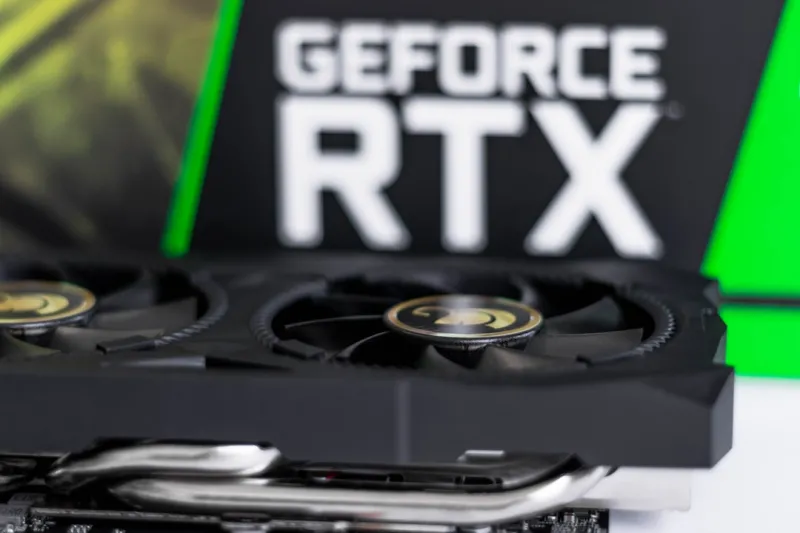
Graphics cards in 2026 are no longer just about raw rasterization; they’re comprehensive compute platforms. The newest RTX 7000 series, for instance, boasts a massive leap in ray‑tracing cores while also delivering unprecedented tensor performance for AI‑driven upscaling and image generation. But the market is fragmented, and the “best” GPU depends heavily on your primary use case. If you’re a creator who spends hours rendering V‑Ray scenes, the extra VRAM and specialized RT cores are non‑negotiable. However, for developers dabbling in machine learning, a card with a higher TFLOP count in its AI engine might be the smarter investment. I always start by answering the question, “What will my GPU be doing 90% of the time?” and then consult resources like How to Choose the Perfect GPU for Power Users to fine‑tune the decision. Remember, a well‑balanced system—where the CPU, RAM, and storage can keep pace—will extract more real‑world performance than a mismatched powerhouse.
Storage Revolution: NVMe, Optane, and the Rise of Persistent Memory
Hard drives have officially entered the museum of obsolete tech, but the evolution of storage continues at breakneck speed. In 2026, NVMe‑PCIe 5.0 SSDs dominate the consumer market, delivering sequential read speeds that eclipse 20 GB/s and sub‑millisecond latency. For power users, the real game‑changer is persistent memory (PMEM), which sits somewhere between DRAM and traditional SSDs, offering near‑RAM speeds with non‑volatile characteristics. This technology is perfect for large‑scale data analytics or as a fast‑swap tier for virtual machines. When I’m building a workstation meant to juggle multiple VMs and massive video caches, I allocate a dedicated PMEM module for the OS and a high‑end NVMe drive for project files. If you’re still on a SATA drive, it’s time to upgrade—your workflow will thank you. For those who love the nitty‑gritty of storage selection, I recommend diving into Mastering Hard Drive Choices for Power Users to understand the trade‑offs between endurance, capacity, and cost.
Memory Mastery: Balancing Capacity, Speed, and Latency
RAM in 2026 is a balancing act of sheer capacity and mind‑boggling speed. DDR5‑5600 modules have become the baseline for high‑end builds, but the real performance gains come from mastering timing and CAS latency. I’ve experimented with 64 GB kits running at 6400 MT/s with tight timings, and the difference in large‑scale 3D rendering workloads is palpable—frame times drop and viewport responsiveness spikes. However, more isn’t always better; a system with 128 GB of slow RAM can underperform a leaner 32 GB build that’s finely tuned. It’s essential to profile your typical workload: do you need massive buffers for massive datasets, or does your software benefit more from rapid data shuffling? Pairing high‑speed RAM with a motherboard that supports dual‑channel or even quad‑channel configurations can double the effective bandwidth. And don’t forget to enable XMP profiles in the BIOS; it’s a one‑click boost that many overlook.
Cooling & Power: Keeping the Beast Tamed
All the raw horsepower in the world means nothing if your system overheats or throttles under load. In 2026, hybrid cooling solutions—combining liquid loops with high‑efficiency air coolers—have become mainstream among power users. A 360 mm AIO with a copper cold plate and a low‑noise pump can keep a 16‑core CPU under 70 °C even during sustained stress tests. Complement this with a well‑designed case airflow strategy: intake fans at the front, exhaust at the top and rear, and strategic dust filters to maintain cleanliness. Power delivery is equally critical; a 1000 W platinum‑rated PSU ensures stable voltage rails for top‑tier GPUs and multiple storage devices. I always opt for modular PSUs to reduce cable clutter and improve airflow. Monitoring tools that track temperature spikes in real time let you tweak fan curves before the system reaches thermal limits, preserving both performance and component longevity.
Future‑Proofing: Modularity and Expandability
One of the biggest mistakes I see newcomers make is building a “set‑and‑forget” rig without considering tomorrow’s upgrades. In 2026, the industry’s focus on modularity means you can design a system that evolves with your needs. Choose a motherboard with additional M.2 slots, PCIe 5.0 lanes, and robust VRM phases—this leaves room for next‑gen GPUs, faster SSDs, or even new AI accelerators that may emerge in the next couple of years. Likewise, a chassis that supports both 2.5‑inch and 3.5‑inch drives, along with flexible mounting points for radiators, ensures you won’t have to replace the entire case when you add more storage or improve cooling. When I plan a build, I intentionally leave a spare PCIe slot and extra RAM slots unpopulated, allowing me to scale up as new software demands arise. This forward‑thinking approach not only protects your investment but also reduces electronic waste—a win‑win for both your wallet and the planet.
Security & Maintenance: Protecting Your Investment
Power users often overlook the importance of hardware‑level security, focusing solely on software defenses. In 2026, firmware attacks and supply‑chain threats are real concerns, making it essential to secure your BIOS/UEFI with passwords and enable TPM 2.0 for hardware encryption. I regularly flash the latest firmware from the motherboard vendor and use tools that verify the integrity of BIOS modules. Additionally, implementing a robust backup strategy—leveraging both local NVMe snapshots and off‑site cloud storage—ensures that a catastrophic hardware failure won’t erase years of work. Periodic cleaning, dust removal, and thermal paste re‑application every 12–18 months keep the system running at peak efficiency. For a deeper dive into protecting your tech, check out the Power‑User Playbook: Securing Your Tech in the Age of Sophisticated Threats. Remember, a well‑maintained machine not only lasts longer but also delivers consistent performance, turning your power‑user setup into a reliable workhorse for years to come.