When I first cracked open a tower back in the early 2010s, the idea of an AI‑assisted computer felt like sci‑fi. Fast‑forward to 2026, and the hardware landscape is humming with intelligent components that anticipate workloads before you even press start. As someone who’s been building rigs for two decades, I’m constantly juggling raw performance, energy efficiency, and that elusive “future‑proof” factor. The sweet spot today lies in marrying generative AI workloads with next‑gen silicon, and that means looking beyond clock speeds to how processors communicate with the rest of the system. The result? Boards that can dynamically reallocate cores, GPUs that learn your favorite rendering pipelines, and memory modules that pre‑fetch data based on your habits. In this post I’ll walk through the hardware trends that are redefining what a modern PC can do, and why the choices you make now will shape your computing experience for years to come.
The AI‑Powered CPU and GPU Duo
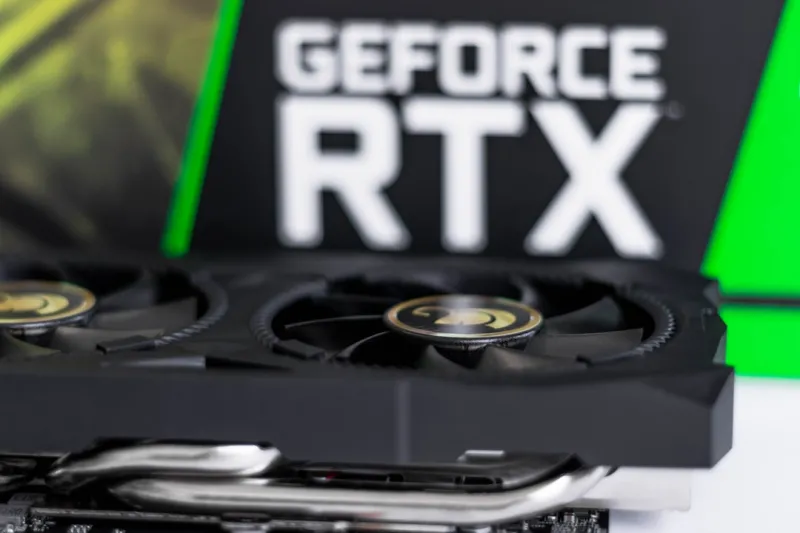
At the heart of every cutting‑edge build is the processor, and 2026 has finally delivered the promised synergy between AI accelerators and traditional cores. AMD’s “Zen 5+ AI” line and Intel’s “Meteor Lake 2” both embed dedicated tensor cores directly on the die, eliminating the need for a separate AI card for most consumer workloads. This integration means tasks like real‑time video upscaling, AI‑driven game texture generation, and even on‑the‑fly code compilation happen with latency measured in microseconds. Meanwhile, GPUs from NVIDIA’s “Ada‑Luna” series and AMD’s “Radeon X‑Infinity” are no longer just graphics engines; they act as massive parallel AI coprocessors, supporting frameworks like PyTorch and TensorFlow out of the box. For the power user, the takeaway is clear: choose a CPU‑GPU combo that shares a unified memory pool, because the less data has to bounce across the PCIe bus, the smoother your AI‑enhanced applications will run.
Memory, Storage, and the Unexpected Role of Hard Drives
Memory bandwidth has become the new bottleneck as AI workloads demand rapid access to massive datasets. DDR5 is now the baseline, but DDR6‑LP modules are creeping into high‑end desktops, offering up to 64 GB/s per channel while keeping power draw under 1.2 V. Pair that with a 64‑GB or larger LPDDR5 cache on the CPU, and you’ve got a system that can feed AI models without stalling. On the storage front, PCIe 5.0 NVMe SSDs delivering 14 GB/s sequential reads are common, yet I still keep a 4‑TB 7200 RPM hard drive as a cold‑storage vault. Many users wonder why a spinning disk matters when flash is king, but the answer lies in cost‑per‑terabyte and data longevity. For archival footage, raw game assets, or large machine‑learning datasets that you rarely touch, a hard drive provides a reliable, inexpensive fallback. If you’re curious about the enduring relevance of HDDs, check out Why Hard Drives Still Matter in a SSD‑First World for a deeper dive.
Power Delivery: Efficiency Meets Modularity
Power supplies have shed their brick‑like reputation thanks to 80+ Platinum efficiency standards and fully modular designs. The latest 1200 W units use GaN (gallium nitride) transistors, cutting heat output by up to 30 % compared to traditional silicon. This not only reduces the load on your case’s cooling system but also improves overall system stability when you push AI workloads to the limit. Modular cables mean you can keep the airflow path clean, a crucial factor when you’re running multiple high‑end GPUs. Moreover, many modern PSUs now feature AI‑driven monitoring chips that predict power spikes and pre‑emptively adjust voltage rails, ensuring that sudden AI inference bursts never trigger a brownout. Investing in a high‑efficiency, modular PSU is one of the most future‑proof decisions you can make today.
Thermal Management Gets Smarter
Heat is the silent killer of performance, and in 2026 we finally have cooling solutions that think for themselves. Vapor‑chamber coolers equipped with micro‑temperature sensors feed data to the motherboard’s thermal controller, which then tweaks fan curves in real time. Some high‑end liquid coolers even integrate AI algorithms that learn your typical workload patterns—gaming, video rendering, or deep‑learning training—and proactively adjust pump speed to keep the CPU and GPU within optimal thermal envelopes. This dynamic approach means you can push your hardware harder without the dreaded thermal throttling that used to plague overclockers. For those who prefer air cooling, look for towers that incorporate heat‑pipe‑enhanced fins and AI‑optimized PWM fans; the difference in noise levels and temperature stability is noticeable even under sustained AI loads.
Case Design and Cable Management in the AI Era
The chassis is no longer just a protective box; it’s an active participant in system performance. Modern cases feature built‑in smart airflow zones that can redirect cooling based on where heat is generated, and many now include embedded RGB strips that double as temperature indicators. Cable management has been elevated by magnetic routing channels that snap cables into place, reducing clutter and improving airflow—a boon for both aesthetics and cooling efficiency. Additionally, several manufacturers are offering “tool‑less” drive bays and expansion slots, making it easier to swap out GPUs or storage devices on the fly. This modularity aligns perfectly with AI workloads that may require frequent hardware upgrades as models become more demanding.
Security at the Firmware Level
As AI becomes integral to everyday computing, the attack surface expands beyond the OS into the firmware that runs your hardware. Malware can now target the microcode of CPUs, the firmware of SSDs, or even the BIOS of your motherboard to gain persistent access. That’s why a hardware‑centric security strategy is essential. Deploying a TPM 2.0 module, enabling Secure Boot, and regularly flashing firmware with digitally signed updates are baseline practices. For a deeper understanding of why security must evolve alongside AI and quantum technologies, read Why Computer Security Must Evolve with AI and Quantum Tech. Pair these measures with a BIOS that incorporates AI‑driven anomaly detection, and you’ll have a system that can spot rogue firmware behavior before it compromises your data.
Future‑Proofing Your Build: The Upgrade Path
Looking ahead, the most valuable upgrades will be those that enhance AI capability without forcing a complete system overhaul. Upgrading to a motherboard that supports PCIe 5.2, for example, ensures that your next‑gen GPU or accelerator card will slot in seamlessly. Likewise, opting for a PSU with headroom above your current needs gives you breathing space for future power‑hungry components. When you’re ready to take the next step, I recommend the comprehensive guide Upgrade Your PC in 2026: A Veteran Builder’s Guide to AI‑Powered Performance, which walks you through component selection, compatibility checks, and cost‑benefit analysis. By treating each upgrade as a modular addition rather than a wholesale replacement, you’ll keep your rig agile, powerful, and ready for whatever AI‑driven innovations the next few years throw at it.