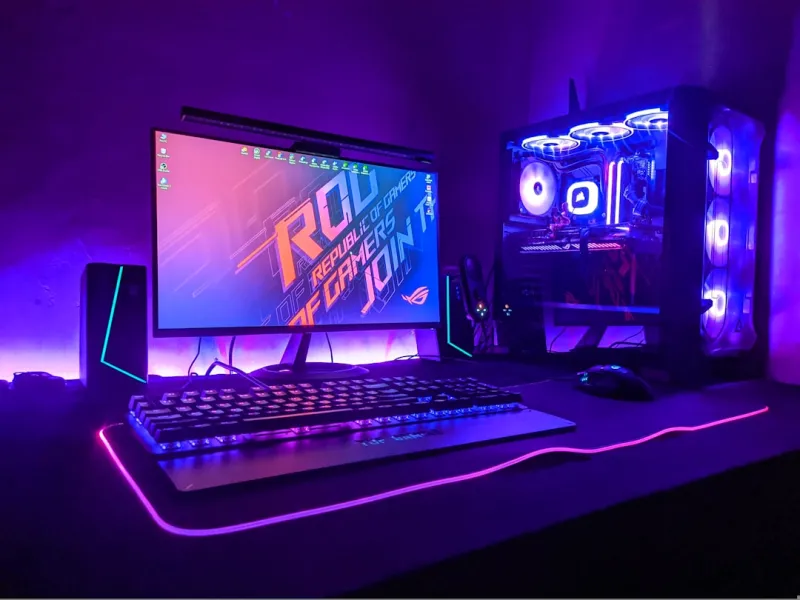
When you’ve been building PCs since the early 2000s, you develop a sixth sense for when the market’s whisper turns into a full‑blown roar. In 2026, that roar is powered by AI‑enhanced graphics, DDR5‑4000 memory that practically thinks for itself, and storage solutions that are as fast as a fiber‑optic link but still fit in a 2.5‑inch bay. The sweet spot for upgrades now isn’t just about raw horsepower; it’s about synergy between components that can communicate, self‑optimize, and even predict when they’ll need a tweak before you notice any lag. That’s why the Upgrade Your PC Like a Pro: The 2026 Playbook feels like a must‑read guide for anyone who wants to stay ahead of the curve. In this article I’ll walk through the most impactful upgrades—GPU, RAM, storage, power, and cooling—through the lens of a veteran builder who’s seen trends come and go, and explain why the right combination can turn a modest rig into a future‑proof workstation or a battle‑ready gaming beast.
Why Upgrade Now? The 2026 Performance Landscape
2026 isn’t just another year on the calendar; it’s a pivot point where AI integration is no longer a novelty but a core part of the PC ecosystem. Modern GPUs now embed dedicated tensor cores that accelerate AI‑driven upscaling, real‑time ray tracing, and even background system tasks like voice recognition. Meanwhile, CPUs are leveraging on‑chip neural accelerators to offload mundane processes, freeing up cores for gaming and content creation. This shift means that a modest upgrade—say, swapping a mid‑range GPU for the latest RTX 5080—can instantly unlock AI‑based features that would otherwise require a complete system overhaul. In practice, you’ll notice smoother frame rates at 4K, more accurate DLSS‑style upscaling, and lower latency in competitive titles. Pair that with a motherboard that supports PCIe 5.0 and you have a platform ready for the next wave of AI‑centric software releases without a costly rebuild.
Graphics Card Upgrade: Harnessing AI‑Driven Rendering
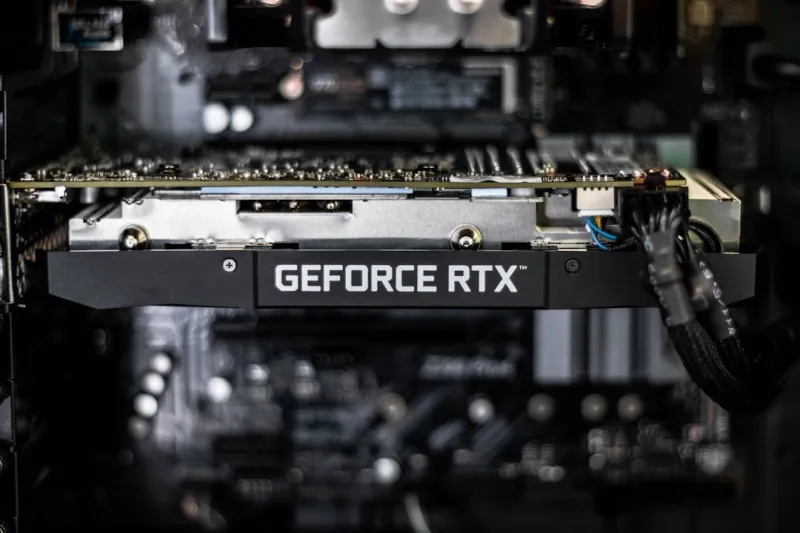
The GPU market in 2026 has matured into a bifurcated arena: mainstream cards that excel at AI‑assisted upscaling and high‑end GPUs that push the envelope of real‑time ray tracing. If you’re a gamer, the RTX 5080 and its AMD counterpart, the Radeon X8000, both feature next‑gen ray tracing units that can handle complex lighting scenarios with a fraction of the power draw of their 2024 predecessors. For creators, the new Tensor cores are a game‑changer for video encoding, AI‑based content generation, and even real‑time collaboration tools. However, raw performance isn’t the only consideration. Newer cards also support smarter power management, automatically throttling down when idle to keep your electricity bill in check. When upgrading, make sure your power supply can handle the increased demand—look for at least an 80 PLUS Gold rating and sufficient PCIe power connectors. A well‑matched GPU upgrade can breathe new life into an older system, delivering both visual fidelity and AI‑enhanced productivity.
Memory Matters: DDR5, Latency, and Smart RAM
RAM in 2026 has taken a leap beyond sheer capacity. DDR5‑4000 and DDR5‑5600 kits now come with built‑in ECC (Error‑Correcting Code) options for pros who can’t afford a single bit of corruption in massive data sets. More exciting is the emergence of “smart RAM” that collaborates with the CPU’s neural engine to prefetch data based on usage patterns, effectively reducing perceived latency. If your rig still runs DDR4, a jump to a 32 GB DDR5 kit can slash load times in games that rely heavily on texture streaming and accelerate compilation times for software development environments. The key is to match the memory speed with your motherboard’s supported frequencies and enable XMP profiles in the BIOS. A well‑tuned RAM upgrade not only boosts frame rates but also stabilizes AI workloads, ensuring that background processes like voice assistants or real‑time transcription don’t hog precious cycles.
Storage Strategy: Balancing Speed, Capacity, and Reliability
SSD adoption is now universal, but the nuance lies in choosing between NVMe 2.0 drives that push beyond 10 GB/s and the still‑relevant SATA‑III SSDs that provide a cost‑effective upgrade path for bulk storage. In 2026, the new NVMe 2.0 standard introduces PCIe 5.0 x4 lanes, delivering read speeds that rival traditional SSDs while offering write performance that can sustain long‑duration content creation sessions without throttling. For many users, a hybrid approach works best: a 2 TB NVMe for the OS, games, and active projects, paired with a 4‑6 TB SATA‑III SSD or a high‑capacity HDD for archival data. Speaking of HDDs, the article Why Hard Drives Still Matter in a SSD‑First World explains why they remain a viable backup solution thanks to their durability and cost per gigabyte. By layering storage tiers, you get the best of speed and security without breaking the bank.
Power Delivery and Cooling: The Unsung Heroes
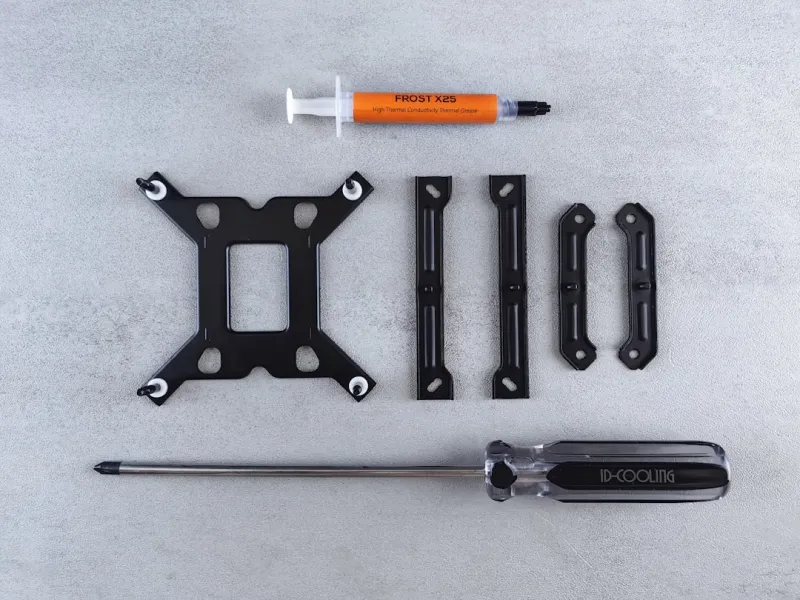
Upgrading core components inevitably raises power draw, making a robust PSU and efficient cooling system non‑negotiable. Modern 80 PLUS Platinum units now deliver up to 95 % efficiency at typical loads, reducing heat output and prolonging component lifespan. Pair this with a smart, AI‑aware fan controller that reads temperature trends and adjusts fan curves in real time, and you have a system that stays whisper‑quiet even under sustained load. Liquid cooling solutions have also become more user‑friendly, featuring pre‑filled, sealed loops that eliminate the mess of traditional custom loops. For those who prefer air cooling, high‑static pressure fans with PWM control provide ample airflow without excessive noise. Remember to verify that your case supports the radiators or fan sizes you plan to install; cable management is also crucial for optimal airflow and aesthetics.
AI‑Assisted Tuning: Let the System Do the Heavy Lifting
One of the most underrated upgrades in 2026 is the software layer that leverages AI to fine‑tune hardware settings. Modern BIOS firmware now includes “Smart Performance” modes that analyze your workload and automatically overclock the CPU and GPU within safe thermal margins. Additionally, third‑party tools integrate with Windows’ AI engine to suggest optimal power plans, memory timings, and storage caching strategies. The Intelligent PC Building: How Self‑Optimizing Hardware Is Changing the Game article dives deep into how these systems learn from usage patterns and adapt over time, effectively becoming a personal performance coach for your rig. By enabling these AI‑driven features, you can extract maximum performance without the trial‑and‑error that traditionally plagued overclocking enthusiasts.
Future‑Proofing with Smart Hardware
When you invest in upgrades, you’re not just buying for today’s games or applications—you’re laying the groundwork for tomorrow’s demands. Smart hardware, such as motherboards with built‑in Wi‑Fi 7 and Bluetooth 5.3, ensures you can take advantage of faster wireless speeds as they become mainstream. Likewise, GPUs that support the upcoming DirectX 13 API will handle future titles that push beyond the current graphical fidelity. Look for components that support modular upgrades, like PCIe 5.0 slots that can accommodate future expansion cards, and RAM that can be easily expanded without replacing the entire kit. By choosing parts with a clear upgrade path, you protect your investment and avoid the dreaded “right‑size‑now‑out‑of‑date‑later” scenario.
Common Pitfalls and How to Avoid Them
Even seasoned builders can stumble when upgrading. One frequent mistake is neglecting the power budget—installing a high‑end GPU without verifying PSU headroom leads to random reboots or, worse, hardware failure. Another is mismatched memory speeds; pairing a DDR5‑5600 kit with a motherboard that tops out at 4800 MHz will waste potential performance. Thermal throttling is also a hidden enemy; insufficient case airflow or a sub‑optimal cooler can cause the CPU to downclock under load, nullifying your upgrade gains. Finally, don’t overlook firmware updates—new BIOS releases often add support for newer RAM modules, improve power delivery algorithms, and resolve stability issues. A systematic checklist before you start: verify PSU wattage, confirm component compatibility, update BIOS, and run stress tests after each upgrade to ensure stability.
Putting It All Together: Building a Cohesive Upgrade Plan
With the individual pieces clarified, the real art lies in orchestrating them into a harmonious system. Start by mapping out your primary use case—whether it’s 4K gaming, 8K video editing, or AI‑driven software development—and allocate budget accordingly. For a gaming‑first build, prioritize the GPU and high‑refresh‑rate monitor, then add DDR5‑4000 RAM and a fast NVMe 2.0 SSD. For creators, tilt the balance toward extra RAM, a larger NVMe for scratch disks, and a GPU with strong tensor core performance. Once the core components are selected, layer in a reliable PSU, efficient cooling, and smart firmware settings. After assembly, run benchmark suites like 3DMark, PCMark, and AI inference tests to validate that each upgrade delivers the expected uplift. Document your configuration and settings; this habit makes future troubleshooting and upgrades far smoother.
Your Next Steps: From Planning to Execution
Now that you have a roadmap, it’s time to take action. Begin by inventorying your current system—note the motherboard model, power supply rating, and existing component specs. Cross‑reference this list with the upgrade paths discussed, and identify which components will yield the highest ROI. Purchase from reputable retailers that offer warranties and easy returns; the tech market moves fast, and you want the flexibility to swap a part if it doesn’t meet expectations. As you install each upgrade, follow best‑practice guides for cable management, thermal paste application, and BIOS configuration. Finally, share your build journey on community forums or social media; the feedback loop not only helps others but also keeps you in touch with emerging trends. With a thoughtful approach and the right pieces, your PC will feel like a brand‑new machine—ready to tackle the AI‑rich, high‑performance world of 2026 and beyond.