When I first started tinkering with desktops back in the early 2010s, upgrades were a simple matter of swapping out a slower hard drive for a flashier SSD or slapping a bigger graphics card on the motherboard. Fast‑forward to 2026, and the upgrade landscape has evolved into a sophisticated dance of AI‑enhanced components, smart power delivery, and self‑optimizing firmware. As someone who lives at the intersection of hardware enthusiasm and everyday productivity, I’ve learned that the most rewarding upgrades aren’t just about raw horsepower—they’re about harmonizing each part of the system so they communicate like a well‑rehearsed orchestra. In this playbook I’ll walk you through the categories that matter most—CPU, GPU, RAM, storage, cooling, and the software layer that ties everything together—while sharing the practical tips and pitfalls I’ve encountered on my own build journeys. Whether you’re a seasoned builder looking for the next edge or a newcomer eager to avoid costly missteps, these insights will help you future‑proof your rig for the AI‑driven workloads that dominate 2026.
CPU Powerhouses: Balancing Core Count and AI Scheduling
Modern processors have become more than just number‑crunching machines; they’re intelligent schedulers that allocate tasks across dozens of cores based on real‑time workload analysis. The latest 2026 releases from both Intel and AMD feature built‑in AI cores that predict which applications will need extra thrust and pre‑emptively boost clock speeds, all while staying within thermal limits. When choosing a CPU upgrade, prioritize models with robust AI‑driven turbo boost and a high core‑thread ratio that aligns with the software you run—whether it’s video rendering, game streaming, or massive spreadsheet crunching. Pairing a high‑frequency chip with a motherboard that supports DDR5 and PCIe 5.0 ensures you won’t bottleneck the data paths. I’ve found that a modest overclock of 5‑10 % on a chip with a good thermal design power (TDP) headroom can yield noticeable performance gains in AI‑heavy tasks without sacrificing stability. Remember to update the microcode regularly; manufacturers push patches that refine AI prediction algorithms, and neglecting them can leave your CPU under‑performing.
GPU Upgrades: Tackling Stability and Performance Head‑On
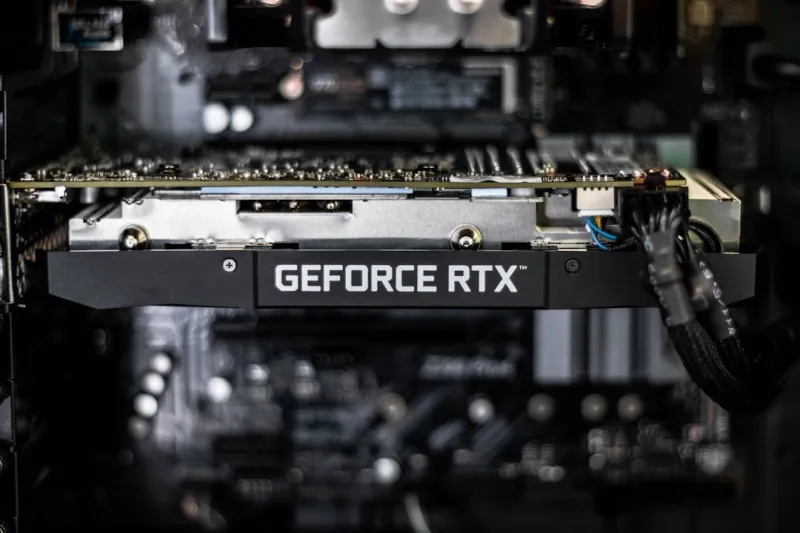
The graphics card market in 2026 is a blend of raw rasterization power and dedicated AI inference cores designed for real‑time ray tracing and deep learning super‑sampling (DLSS‑3). While it’s tempting to chase the highest‑end model, many builders overlook the importance of firmware stability. I’ve seen premium GPUs that deliver stellar frame rates but suffer from sporadic crashes under prolonged AI workloads—often due to outdated driver stacks or insufficient VRM cooling. A quick diagnostic check using the built‑in monitoring tools can reveal temperature spikes that precede a crash. If you encounter instability, consult the troubleshooting guide at Why Your GPU Keeps Crashing and How to Fix It for firmware rollback steps and driver clean‑install procedures. Additionally, consider a GPU with a dual‑fan or liquid‑cool solution if you plan to push the card with 4K gaming or AI rendering. The sweet spot for most enthusiasts is a balance between VRAM capacity (12 GB or more) and a robust cooling design, ensuring you stay ahead of both visual fidelity and computational demands.
RAM Realities: Why Your Memory Might Be Acting Up
Memory has always been a fickle upgrade path—too little, and you’re throttled; too much, and you waste power. In 2026, the rise of DDR5 with higher frequencies and on‑die ECC (error‑correcting code) has changed the conversation. However, not every kit lives up to its advertised specs. Latency, timings, and compatibility with the motherboard’s memory controller can cause the dreaded “random freezes” that many users report. If you’re experiencing erratic behavior after a RAM upgrade, the first step is to run a thorough diagnostic using tools like MemTest86+. I often recommend reading Why Your RAM Is Acting Up in 2026 and How to Fix It to understand common culprits—such as mismatched voltage settings or sub‑optimal XMP profiles. When selecting new modules, aim for a kit that offers a balanced frequency (5600 MHz is a solid sweet spot) and tight CAS latency (CL‑36 or better). Pair this with a motherboard that supports dual‑channel or quad‑channel configurations to maximize bandwidth, especially for workloads that rely heavily on large data sets like AI model training or 3D rendering.
Storage Choices: The Enduring Role of Hard Drives
SSD dominance is undeniable, yet hard drives still hold a valuable niche in 2026, particularly for bulk archival and cost‑effective mass storage. The article Why Hard Drives Still Matter in a SSD‑First World explains why a hybrid storage strategy can give you the best of both worlds: lightning‑fast NVMe drives for OS and applications, complemented by a high‑capacity SATA or even 8 TB SMR HDD for media libraries and backup snapshots. Modern HDDs have narrowed the performance gap dramatically, boasting higher spindle speeds (up to 10,000 RPM) and integrated caching algorithms that reduce latency. When configuring a new build, allocate at least 512 GB of NVMe storage for your primary drive, ensuring you install the OS on a drive that supports the PCIe 5.0 interface for maximum throughput. Then, add a 4‑6 TB HDD to store games, video projects, and large datasets. This approach not only saves money but also extends the lifespan of your SSD by reducing write cycles on the primary drive.
Smart Hardware: Self‑Optimizing Components Take Center Stage
The concept of “intelligent” PC parts has moved from hype to reality. Motherboards now feature AI‑powered power delivery that dynamically adjusts voltage rails based on real‑time load, while SSD controllers can learn usage patterns to pre‑emptively allocate wear‑leveling resources. I was fascinated by the shift after reading Intelligent PC Building: How Self‑Optimizing Hardware Is Changing the Game, which highlighted how self‑optimizing firmware can extend component longevity and boost performance without manual tweaking. When you select a motherboard that advertises “Smart Power” or “Dynamic Boost,” you’ll notice that the system maintains higher boost clocks for longer periods under sustained workloads—a boon for both gaming marathons and lengthy AI training sessions. Likewise, newer DDR5 kits incorporate on‑die temperature sensors that communicate with the BIOS to throttle speed only when necessary, preserving stability. Embracing these smart components means less time spent fine‑tuning BIOS settings and more time enjoying the results of a system that adapts to your usage patterns automatically.
Cooling and Power: Keeping the Beast Tamed
All the performance gains in CPU, GPU, and RAM are moot if your cooling solution can’t keep the heat in check. In 2026, liquid cooling has become more accessible, with AIO (all‑in‑one) units offering 360 mm radiators that fit into mid‑tower cases without excessive noise. When upgrading, prioritize a cooler with a high static pressure fan and a pump rated for at least 1500 RPM to maintain low temperatures under AI‑heavy loads. Power delivery is equally critical; a high‑quality 850 W platinum‑rated PSU with modular cables reduces voltage ripple and improves overall efficiency. I’ve swapped to an 80 PLUS Titanium unit on recent builds and noticed a measurable drop in system heat output, which in turn stabilizes GPU boost clocks. Don’t forget to apply high‑performance thermal paste—silicone‑based compounds have become obsolete, and newer carbon‑based pastes provide better conductivity. Proper cable management also enhances airflow, ensuring that the intake fans draw cool air directly over the components that generate the most heat.
Software Layer: Leveraging AI‑Infused Windows Features
Hardware upgrades only tell half the story; the operating system must be equally capable of exploiting the new resources. Windows 2026 Unleashed integrates AI directly into the OS, offering a personal productivity partner that dynamically allocates resources based on your active tasks. For example, the AI scheduler can deprioritize background services when you launch a demanding rendering job, freeing up CPU cycles for the primary workload. To take full advantage of this, enable the “AI‑Optimized Power Plan” in Settings and keep your system updated via Windows Update. I also recommend reading Windows 2026 Unleashed: How AI Is Redefining the OS Experience for a deeper dive into the new virtual assistant that monitors system health and suggests firmware updates before issues arise. Pair these OS enhancements with a clean driver stack—use the manufacturer’s latest releases for your GPU and chipset—to ensure that the AI layer can accurately profile performance and make intelligent adjustments.
Future‑Proofing Checklist: Your 2026 Upgrade Roadmap
To wrap up, here’s a concise checklist that captures the essence of a balanced 2026 upgrade strategy:
- Pick a CPU with AI‑enhanced turbo boost and a compatible motherboard supporting DDR5 and PCIe 5.0.
- Select a GPU that offers sufficient VRAM, robust cooling, and up‑to‑date firmware to avoid crashes.
- Choose DDR5 RAM with a sweet‑spot frequency (≈5600 MHz) and verify XMP profiles for stability.
- Adopt a hybrid storage plan—NVMe SSD for the OS and apps, high‑capacity HDD for bulk data.
- Invest in smart hardware that self‑optimizes power and thermal management.
- Upgrade to a high‑efficiency PSU (850 W + Titanium) and a capable AIO cooler.
- Enable Windows AI features and keep drivers and firmware current.
Following this roadmap will not only boost your system’s raw performance but also ensure reliability and longevity as AI workloads continue to expand. In my experience, the most satisfying upgrades are those that feel like a natural evolution rather than a forced overhaul—each component works in concert, delivering a seamless, future‑ready computing experience.