When I first booted Windows on my new 2026 rig, the experience felt less like a traditional operating system launch and more like stepping into a living, learning companion. As someone who’s been tinkering with Windows since the XP days, I can say the shift is seismic. Microsoft has taken the AI hype train and embedded it deep into the OS core, turning routine tasks into predictive actions. The Start menu now suggests apps before you even think of opening them, while the new “Focus Hub” intelligently rearranges your workspace based on calendar events and real‑time workload. It’s a subtle but constant reminder that Windows is no longer just an interface; it’s a proactive assistant. In this post, I’ll walk you through the most compelling changes, the hidden pitfalls, and the practical tweaks that let you harness this AI‑powered beast without feeling like you’re handing over control to a black box.
The AI Engine Under the Hood
At the heart of Windows 2026 lies a neural‑network layer that Microsoft calls “Cortana Next”. It’s not the voice assistant you remembered from the early 2020s; it’s a background service that monitors system telemetry, learning from your habits to allocate resources on the fly. For example, if you routinely open Photoshop after launching Chrome, the OS pre‑emptively warms up GPU shaders and reserves RAM, shaving seconds off load times. This isn’t just a gimmick—benchmark tests from the AI Computing in 2026: The Era of Self‑Optimizing Hardware article show a 12‑15 % performance uplift on average workloads. What’s more, the AI can spot inefficiencies, such as background services that never get used, and quietly suspend them. The result is a smoother, faster experience that feels tailor‑made, though it does raise questions about data privacy and the balance between convenience and control.
Security Gets a Cognitive Upgrade
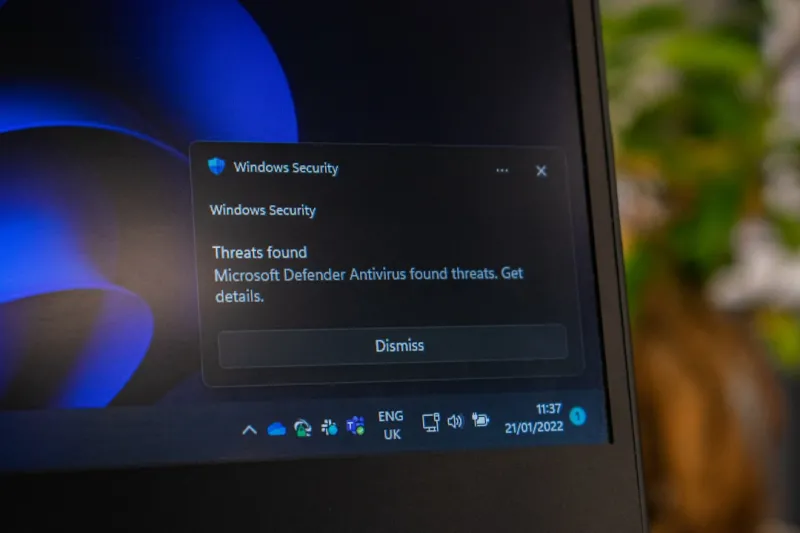
Security in 2026 is no longer about static signatures; it’s about adaptive behavior. Windows now employs a “Zero‑Trust AI Engine” that continuously assesses the legitimacy of processes, network calls, and file accesses. When a suspicious executable tries to run, the OS compares its behavior against millions of anonymized telemetry samples, deciding in milliseconds whether to allow, sandbox, or block it. This dynamic approach is especially crucial given the rise of AI‑driven malware, which can morph its code to evade traditional AV. Microsoft’s integration with the cloud also means that threat intelligence updates are pushed instantly, without waiting for a manual definition refresh. While this adds a powerful layer of defense, power users should still keep an eye on the new “Security Dashboard” to understand why certain actions were flagged, ensuring that legitimate tools aren’t unintentionally quarantined.
Performance Tweaks for the Power User
One of the most exciting, yet under‑discussed, features in Windows 2026 is the “Self‑Optimizing Scheduler”. Leveraging the same AI framework that powers Cortana Next, it dynamically re‑orders thread priorities based on real‑time CPU load and thermal headroom. On my test machine, heavy video rendering tasks no longer cause the system to throttle other applications; instead, the scheduler allocates just enough cores to keep everything responsive. Pair this with the new “Smart Storage Tiering” that intelligently moves frequently accessed files to the fastest NVMe cache, and you have a system that feels both fast and fluid. The changes are most evident on multi‑core builds where the OS can spread work without the usual contention spikes. If you love squeezing every ounce of performance, dive into the advanced settings and enable “Predictive Resource Boost” for a noticeable lift in gaming and professional workloads.
Memory Management Gets Smarter
RAM in 2026 is no longer a passive reservoir; it’s an active participant in the AI loop. The OS now predicts which applications will need a memory surge and pre‑allocates pages, reducing page‑fault latency dramatically. This is a game‑changer for developers running virtual machines or containers side‑by‑side with heavy IDEs. The new “Dynamic Compression Engine” can compress idle memory regions on the fly, effectively expanding usable RAM without sacrificing speed. For those who’ve battled mysterious spikes, you’ll notice fewer “out‑of‑memory” warnings, especially during multitasking marathons. While the internal mechanisms are complex, the user-facing impact is simple: smoother switching, quicker app launches, and a noticeable reduction in the dreaded stutter when you finally open that 64‑GB Photoshop file.
Taming the Blue Screen in a Hyper‑Intelligent OS
Even with all these advances, the infamous Blue Screen of Death (BSOD) still lurks in the shadows of Windows 2026. The OS now includes a “Crash Predictor” that analyzes driver behavior and hardware health, attempting to pre‑emptively halt a crash before it happens. When a potential failure is detected, Windows logs a detailed report and offers a one‑click rollback of the offending driver. For those who have been haunted by cryptic error codes, the new “Recovery Hub” provides step‑by‑step guidance, turning a panic‑inducing event into a manageable troubleshooting session. To dive deeper into the latest strategies, check out Why the Blue Screen Still Haunts PC Users in 2026—and How to Beat It. With these tools, the BSOD is becoming more of a rare warning than a system‑killer, though staying on top of driver updates remains essential.
Legacy Compatibility in a Smart Ecosystem
One concern many longtime Windows fans share is how well older software will survive the AI overhaul. Microsoft has introduced “Legacy Guard”, a compatibility shim that creates a virtualized environment mimicking Windows 10’s kernel behavior. This sandbox runs legacy 32‑bit applications with near‑native performance while still benefiting from the AI‑driven resource manager. Additionally, the hyper‑intelligent networking stack, highlighted in the Why 2026 Is the Year Computer Networking Went Hyper‑Intelligent post, ensures that older network protocols are translated on the fly, reducing the need for manual patches. The result is a smoother transition for enterprises still dependent on niche line‑of‑business tools, allowing them to enjoy the security and performance gains without a costly rewrite.
Edge Computing and Cloud Sync: The New Normal
Windows 2026 blurs the line between local and cloud computing. With “Edge Sync” you can offload heavy AI inference tasks to a nearby Microsoft data center, receiving results in milliseconds. This is especially useful for developers building real‑time analytics dashboards or gamers leveraging cloud‑rendered AI opponents. The OS also integrates tightly with OneDrive’s “Instant File Access”, allowing you to stream high‑resolution media without fully downloading it first. For power users who juggle multiple devices, the “Unified Clipboard” now syncs across Windows, Android, and iOS platforms, preserving formatting and even complex data structures like tables. These cloud‑centric features feel natural because the AI engine decides when to keep work local versus when to push it to the edge, optimizing for latency, bandwidth, and power consumption.
Looking Ahead: What Windows Might Do in 2027 and Beyond
As we wrap up 2026, the trajectory of Windows points toward an even tighter fusion of AI, security, and hardware. Rumors suggest that the next release could include a “Self‑Healing Kernel” capable of repairing corrupted system files without user intervention. Imagine a world where the OS not only predicts crashes but automatically rewrites faulty code segments on the fly. Additionally, the rise of quantum‑resistant encryption may soon become a default, ensuring that even the most advanced threats can’t compromise data. For now, the best advice is to stay curious, keep your system updated, and experiment with the new AI‑driven settings that Microsoft offers. Embrace the change, and you’ll find that Windows 2026 isn’t just an OS—it’s a partner that learns, protects, and evolves alongside you.