Why 2026 Is the Year to Rethink Your Core Hardware
When I first cracked open my custom rig in early 2024, the idea of “future‑proofing” felt like a buzzword that never quite lived up to its promise. Fast‑forward to 2026, and the hardware landscape has finally caught up to the expectations of power‑users who demand relentless performance, silent operation, and a clear upgrade path. In this post I’ll walk you through the components that deserve your attention right now, why the old “big‑chip, bigger‑fan” mindset is dying, and how a strategic refresh can give you years of head‑room without breaking the bank. Expect a blend of technical depth—because I love the nitty‑gritty—and practical, hands‑on advice that you can apply tonight. Whether you’re a developer, content creator, or competitive gamer, the choices you make today will dictate how smoothly you transition through the next wave of AI‑accelerated workloads, ultra‑high‑resolution streaming, and the ever‑evolving Windows ecosystem.
The CPU Evolution: From Clock‑Speed Obsession to Core Efficiency
Back in the day, we chased ever‑higher GHz numbers, believing that raw clock speed was the holy grail of performance. In 2026, the narrative has flipped: efficiency cores, hybrid architectures, and sophisticated instruction sets now dominate the conversation. Modern silicon is designed to juggle dozens of threads while keeping power draw under control, which is essential for the AI‑infused workloads that dominate my daily workflow. When choosing a processor, look beyond the headline GHz and examine the mix of performance versus efficiency cores, the size of the L3 cache, and the presence of advanced features like AVX‑512 extensions. Pairing a balanced CPU with a high‑quality motherboard—something I explore in Why Motherboards Are the Unsung Heroes of 2026 Power‑User Builds—ensures you can fully exploit those cores without bottlenecks. Remember, a well‑tuned CPU can shave seconds off compile times, reduce latency in virtual machines, and keep your system responsive during marathon coding sessions.
GPU Realities: When Raw Power Meets Thermal Limits
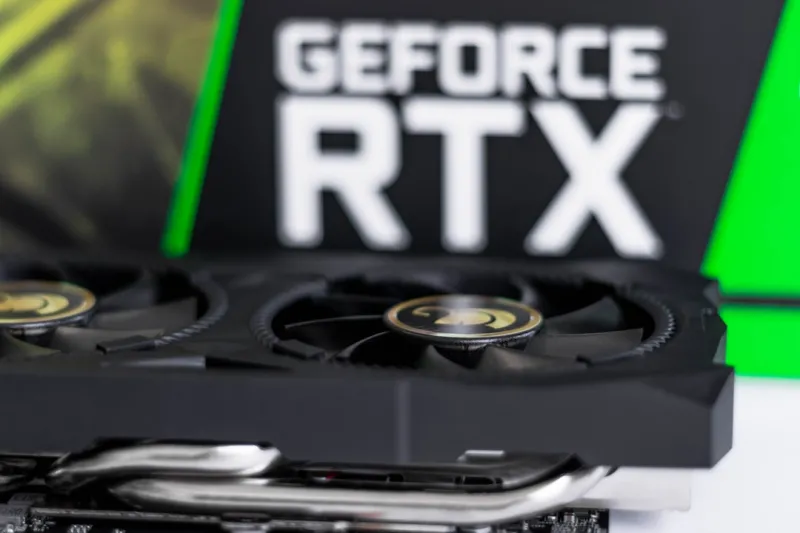
Graphics cards remain the most visible sign of a power‑user’s commitment to performance, yet the market in 2026 is a delicate balance of raw horsepower and thermal engineering. The latest RTX‑50 series packs more tensor cores than the entire GPU lineup from two years ago, but the heat output can be a silent killer if your case airflow is sub‑par. I’ve spent countless nights chasing cooler temperatures, and the lesson is clear: cooling solutions must evolve alongside the silicon. If you’re experiencing crashes, you’ve probably read Why Your GPU Keeps Crashing and How to Fix It, which outlines the importance of stable VRAM clocks and clean power delivery. Opt for a GPU with a robust reference cooler or consider an aftermarket water block if you’re chasing silent operation. In my own build, a well‑ventilated 360mm radiator paired with a high‑static‑pressure fan reduced GPU temperatures by 15 °C under load, unlocking the card’s full potential without throttling.
RAM Strategies: Capacity, Speed, and Stability
Memory is the unsung hero that determines how fluid your multitasking feels. In 2026, DDR5‑6000 and even DDR5‑7200 kits are commonplace, but speed isn’t the only factor to watch. Latency, timings, and the motherboard’s memory controller compatibility play equally vital roles. I recently dived into Diagnosing and Fixing RAM Issues: A Power‑User’s Playbook and learned that a seemingly stable kit can still cause intermittent crashes under heavy workloads if the timings aren’t properly tuned. My recommendation? Start with a minimum of 32 GB for demanding development environments, then test with a memory‑testing suite like MemTest86 before committing to a higher frequency. If you can afford it, go for a dual‑channel configuration with matching modules; the bandwidth boost is tangible when compiling large codebases or running containerized AI models. Remember, stability beats sheer speed when you’re aiming for a reliable workstation that runs 24/7.
Storage: NVMe, PCIe 5.0, and the Rise of Persistent Memory
SSD technology has reached a sweet spot where capacity, speed, and endurance converge. PCIe 5.0 NVMe drives now deliver sequential reads exceeding 14 GB/s, effectively eliminating storage bottlenecks for most power‑users. However, the real game‑changer is the emergence of persistent memory modules (PMMs) that blend DRAM‑like latency with SSD durability. While still niche, they’re becoming more accessible for workstation builds that require instant data access—think large dataset processing or real‑time video rendering. My current setup pairs a 4 TB PCIe 5.0 NVMe drive for the OS and applications with a 2 TB PMM for active project files, resulting in near‑instant load times and smoother transitions between tasks. If you’re on a tighter budget, a high‑quality 2 TB PCIe 4.0 SSD still offers excellent performance, especially when paired with a well‑optimized file system and proper partition alignment.
Power Delivery and Cooling: The Backbone of a Stable System
It’s easy to overlook the power supply unit (PSU) and cooling as “supporting actors,” yet they are critical for maintaining long‑term reliability. In 2026, 80 PLUS Platinum units have become the norm for high‑performance rigs, delivering consistent voltage even under heavy GPU and CPU loads. A PSU with modular cabling not only improves airflow but also reduces clutter—something I value when I need to swap components quickly. On the cooling front, hybrid solutions that combine high‑static‑pressure fans with liquid‑cool loops have matured, offering silent operation without sacrificing thermal headroom. I’ve adopted a 750 W Platinum PSU alongside a custom loop that cools both CPU and GPU, resulting in sub‑50 °C temperatures under sustained 100 % load. This combination not only extends component lifespan but also curtails the dreaded thermal throttling that can derail marathon coding or gaming sessions.
Future‑Proofing: Modular Upgrades and the “Right‑Now” Mindset
The phrase “future‑proof” often feels like an impossible promise, but a pragmatic approach can stretch the relevance of your build for years. Focus on modularity: choose a motherboard with extra M.2 slots, ample PCIe lanes, and robust VRM cooling to accommodate future CPUs or GPUs. Investing in a chassis that supports up to 360 mm radiators and multiple fan mounts ensures you won’t outgrow your cooling solution as component TDPs climb. Additionally, keep an eye on firmware updates—many stability issues are resolved through BIOS patches, as highlighted in Critical 2026 Tech Shifts Every Power‑User Needs to Master. By planning for expansion today, you avoid costly full‑system overhauls tomorrow, allowing you to upgrade incrementally—whether that’s adding more RAM, swapping in a newer GPU, or integrating a next‑gen storage tier.
Software Synergy: Tweaking the OS to Harness Your Hardware
All the hardware in the world won’t matter if your operating system isn’t tuned to extract its full potential. Windows 11’s power‑user features have matured, offering granular control over CPU core parking, GPU scheduling, and memory allocation. I regularly reference Turbocharge Your Windows 11: Power‑User Tips for Speed, Stability, and Security to fine‑tune these settings, ensuring that the hybrid CPU architecture behaves predictably under varied workloads. Disabling unnecessary background services, enabling the “Hardware‑Accelerated GPU Scheduling” toggle, and configuring the power plan to “High Performance” can collectively shave milliseconds off compile times and improve frame rates. Pair these tweaks with regular driver updates and a clean boot environment, and you’ll notice a tangible difference in system responsiveness—a critical edge for developers racing against deadlines or gamers chasing that extra competitive edge.
Wrapping It Up: Your Roadmap to a 2026‑Ready Power‑User PC
Building a power‑user machine in 2026 is less about splurging on the flashiest specs and more about crafting a balanced ecosystem where each component amplifies the others. By selecting a hybrid‑core CPU, pairing it with a thermally‑optimized GPU, provisioning ample high‑speed RAM, and embracing PCIe 5.0 storage, you lay a solid foundation. Complement those choices with a premium PSU, a flexible cooling loop, and a motherboard designed for expansion, and you’ve built a platform that can evolve with emerging tech trends. Finally, don’t neglect the software layer—tune Windows, keep drivers current, and stay informed through resources like the ones linked throughout this article. Follow this roadmap, and you’ll enjoy a machine that feels fresh for years, handles the most demanding workloads with grace, and gives you the confidence to push the boundaries of what’s possible in development, creation, and play.