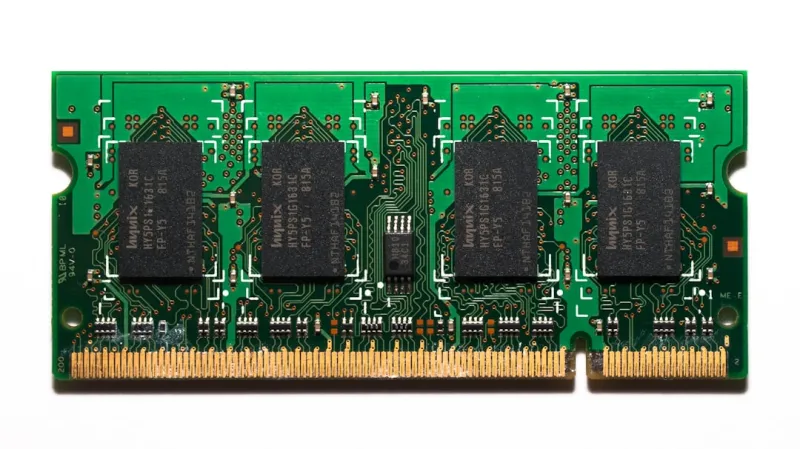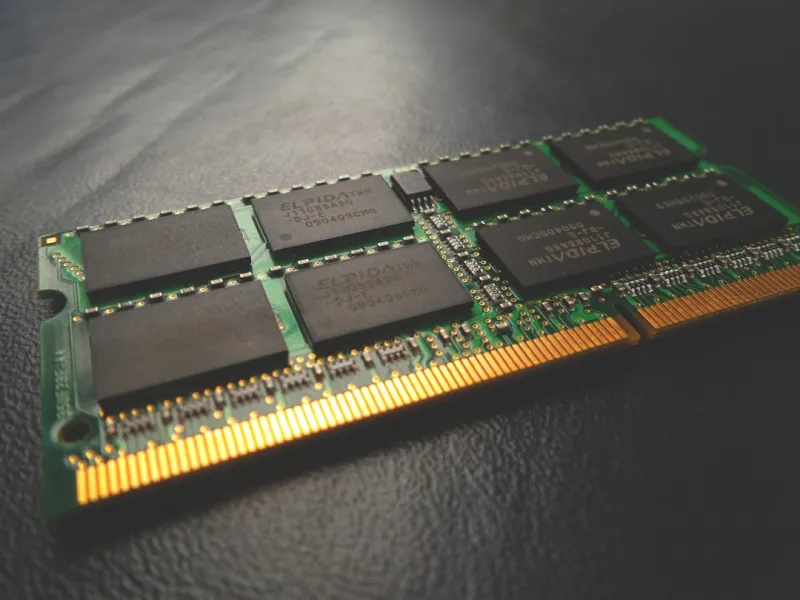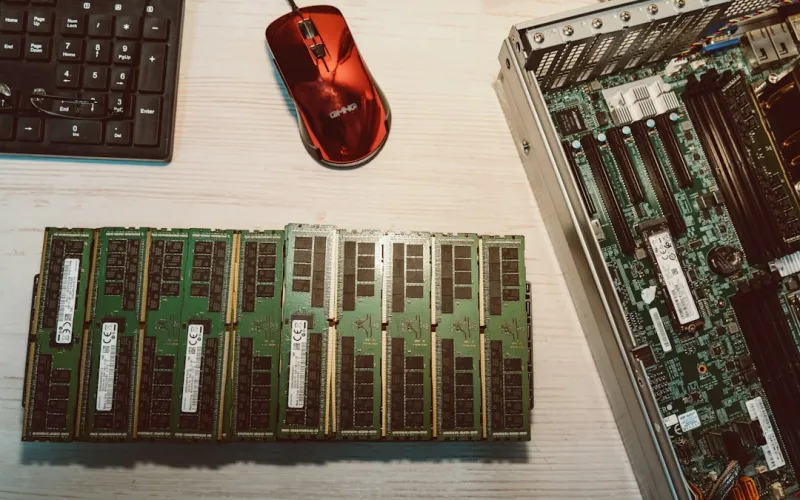
When your PC starts stuttering, apps crash, or the dreaded blue screen pops up, the first suspect is often memory. As someone who’s spent countless evenings elbow‑deep in RAM slots, I’ve learned that modern memory issues aren’t just about “not enough” RAM—they’re about timing, voltage, and even firmware quirks that didn’t exist a decade ago. In 2026 the landscape is richer: DDR5 is mainstream, DDR5‑5600 modules are affordable, and early DDR6 prototypes whisper promises of even higher bandwidth. Yet, the fundamentals of troubleshooting haven’t changed: you still need a systematic approach, the right tools, and a clear understanding of how your system’s brain talks to its memory. In this guide I’ll walk you through the most effective steps to diagnose, test, and fix RAM problems, sprinkling in real‑world anecdotes from my own build‑lab to keep the tech talk grounded.
How RAM Has Evolved in 2026
Back in the early 2020s, DDR4 dominated the market, offering respectable speeds but limited headroom for power users. Fast forward to 2026, and DDR5 modules now ship with capacities up to 128 GB per stick, integrated on‑die ECC for consumer boards, and dynamic frequency scaling that adjusts bandwidth on the fly. The newer DDR5‑5600 and DDR5‑6000 kits bring latency down to the mid‑30s, while early DDR6 samples promise sub‑30 ns timings. This leap means that a mis‑configured XMP profile can have a far more noticeable impact on system stability than it did with DDR4. Moreover, the tighter integration of memory controllers into modern CPUs—especially AMD’s Zen 4 and Intel’s 13th‑gen chips—means that firmware updates can resolve compatibility quirks without any hardware swap. Understanding these shifts is crucial; it tells you why a module that worked perfectly in a 2023 rig might now throw errors on a 2026 motherboard if you’re not paying attention to the BIOS settings.
Symptoms That Point to Memory Trouble
The first clue that memory is the culprit often appears as random, hard‑to‑pinpoint behavior. You might notice applications freezing after a few minutes of heavy use, or games crashing to the desktop with a cryptic “0x00000124” error code. In Windows, the infamous “MEMORY_MANAGEMENT” blue screen is a tell‑tale sign that the OS detected an uncorrectable error in RAM. Even seemingly benign issues—like slow file transfers, delayed mouse response, or corrupted video rendering—can stem from timing mismatches or failing chips. On Linux, you’ll see kernel panic messages referencing “page allocation failure.” In my own experience, the most deceptive symptom is a system that boots fine but becomes unstable when you enable an overclocked GPU profile; the extra power draw can push the memory voltage out of safe margins, causing sporadic crashes. Recognizing these patterns early saves you countless hours of guesswork and helps you decide whether a simple BIOS tweak or a full module replacement is needed.
Running the Right Diagnostic Tools
The gold standard for memory testing in 2026 remains MemTest86, now bundled with a UEFI‑compatible bootloader that runs directly from a USB stick without needing an OS. I always start with a full 12‑hour pass; the tool’s updated error‑checking algorithms can spot subtle bit‑flips that older Windows Memory Diagnostic utilities miss. For quick, on‑the‑fly checks, the built‑in Windows tool (type “mdsched.exe” in the Run dialog) is handy, but remember it only runs a limited set of patterns. If you suspect intermittent errors, use the “Extended Test” option in MemTest86, which stresses the memory with random data bursts at maximum speed. Don’t forget to test each stick individually—sometimes a single faulty module masquerades as a system‑wide issue. After the tests, if you see any errors, note the address and pattern; this information is invaluable when you contact the manufacturer for RMA or when you cross‑reference against known bad‑chip batches on community forums.
BIOS Settings: The Often‑Overlooked Culprit
Even the best‑rated RAM can misbehave if the BIOS isn’t tuned correctly. Start by disabling any aggressive memory overclock profiles and reverting to the default JEDEC timings. Then, enable the XMP (Extreme Memory Profile) or the newer “EXPO” profile for AMD platforms, which automatically applies the manufacturer‑approved frequency, voltage, and timing settings. In 2026, many boards also feature “Memory Refresh Rate” controls; setting this to “Auto” usually works, but on ultra‑high‑speed kits you might need to manually increase the refresh rate to avoid data corruption. Pay special attention to the DRAM voltage—most DDR5 modules run at 1.1 V, but high‑performance kits may require 1.25 V under load. A common mistake is leaving the “Load‑Line Calibration” (LLC) disabled, which can cause voltage droops during heavy memory access. After making changes, save and reboot, then run a quick MemTest86 pass to confirm stability before moving on.
Ensuring Motherboard Compatibility
Not every motherboard can fully exploit the capabilities of today’s high‑speed DDR5 kits. The Motherboard Mastery guide details how the latest chipset revisions—like Intel Z790 and AMD X670E—offer improved power delivery and tighter memory controller integration. Before buying new RAM, consult the board’s QVL (Qualified Vendor List) to verify that the specific kit you’re eyeing has been tested at its advertised speed. Even if a module isn’t on the list, many users report successful operation by manually adjusting the command rate or slight latency loosening. Another factor is the number of DIMM slots used; populating all four slots can strain the memory trace routing, especially with 32 GB sticks, leading to reduced stability at the highest frequencies. In such cases, running a dual‑channel configuration with two larger modules often yields better performance and reliability than four smaller ones.
When and How to Upgrade Your Memory
If you’ve ruled out BIOS misconfigurations and still encounter errors, it’s time to consider an upgrade. In 2026, a sweet spot for most gamers and creators is 32 GB of DDR5‑5600 with a modest 40‑45 ns latency. For heavy‑duty workloads—like 8K video editing or large‑scale AI model training—128 GB kits are becoming more affordable, and the performance gain is noticeable when the OS can keep the entire working set in RAM. The Unlock the Power of Your PC article walks through the cost‑benefit analysis of adding RAM versus upgrading to a newer CPU. When purchasing, prioritize reputable brands that offer a lifetime warranty and robust heat spreaders, as thermal throttling can also cause sporadic errors under sustained load. Finally, don’t forget to update your BIOS after installing new memory; many manufacturers release micro‑code patches that improve compatibility with the latest DDR5 modules.
Blue Screen? Memory Might Be the Hidden Trigger
The “MEMORY_MANAGEMENT” and “PAGE_FAULT_IN_NONPAGED_AREA” blue screens are classic indicators that the system’s low‑level code hit a bad memory location. In my troubleshooting sessions, I’ve seen these errors vanish after a simple voltage tweak, while other times they required a full module replacement. The Taming the Blue Screen guide outlines a step‑by‑step approach: first, capture the stop code and dump file; then, use WinDbg or the built‑in “Windows Debugger” to trace the faulting address back to a physical memory location. If the address falls within the range of your installed RAM, you’ve got a strong lead. Pair this with a fresh MemTest86 run—if errors appear, you have concrete proof that the hardware is at fault. Remember, a clean BIOS reset and reseating the DIMMs can sometimes clear poor contact issues that mimic genuine memory failures.
Preventive Maintenance and Future‑Proofing
Keeping your RAM healthy is as much about regular maintenance as it is about proper installation. Dust buildup on the memory modules can elevate temperatures, especially on high‑density kits with large heat spreaders. A quick monthly air‑blast using compressed air keeps the thermal interface clear. Additionally, schedule a quarterly MemTest86 run—set it to a short 2‑hour pass during overnight hours to catch early degradation before it becomes catastrophic. For future‑proof builds, consider motherboards that support both DDR5 and the upcoming DDR6 standard, ensuring you won’t need a complete platform swap when the next generation hits the shelves. Finally, stay informed about firmware updates; manufacturers often release BIOS patches that resolve subtle timing bugs discovered after a new RAM release. By combining diligent testing, smart BIOS tuning, and a strategic upgrade path, you’ll keep your 2026 PC humming smoothly, even as software demands continue to climb.