Why the Blue Screen Still Haunts Power Users in 2026
Even after a decade of “stability promises” from Microsoft, the dreaded blue screen of death (BSOD) remains a stubborn nemesis for anyone who lives on the edge of performance. I’ve spent countless nights wrestling with cryptic error codes while trying to push my workstation to the limits of AI‑driven workloads, and I know the frustration all too well. In 2026, hardware is faster, software smarter, and the expectations for zero‑downtime are higher than ever. Yet the core reasons behind a BSOD haven’t magically vanished; they’ve simply evolved. From driver incompatibilities introduced by rapid firmware updates to subtle memory leaks that only surface under heavy multitasking, the modern BSOD is a complex puzzle that demands a power‑user’s analytical mindset. In this post, I’ll walk you through the most common triggers, step‑by‑step diagnostics, and proactive strategies that have saved my rigs from turning into digital paperweights. Strap in, because understanding the why is the first step toward a blue‑screen‑free workflow.
Decoding the Most Common Triggers in Modern Windows Builds
Microsoft’s latest operating system iterations, while sleek, still rely on a delicate dance between kernel code, device drivers, and third‑party applications. In 2026, the most frequent culprits behind a BSOD are driver mismatches, especially after automatic Windows Update patches that don’t always play nice with legacy hardware. Another major source is corrupted system files that can slip in when you install or remove heavy AI tools that demand deep OS integration. Memory pressure is also a hidden menace; as you run massive language models locally, the system can exceed physical RAM limits, causing page‑file thrashing that leads to fatal exceptions. Lastly, firmware bugs in newer SSD controllers occasionally surface only under sustained write loads. Recognizing these patterns helps you narrow down the suspect pool before you even open the Event Viewer. By keeping a mental checklist of these triggers, you can react faster and avoid the panic that typically follows a sudden blue flash.
First‑Line Diagnostics: Safe Mode, Event Viewer, and Minidump Analysis
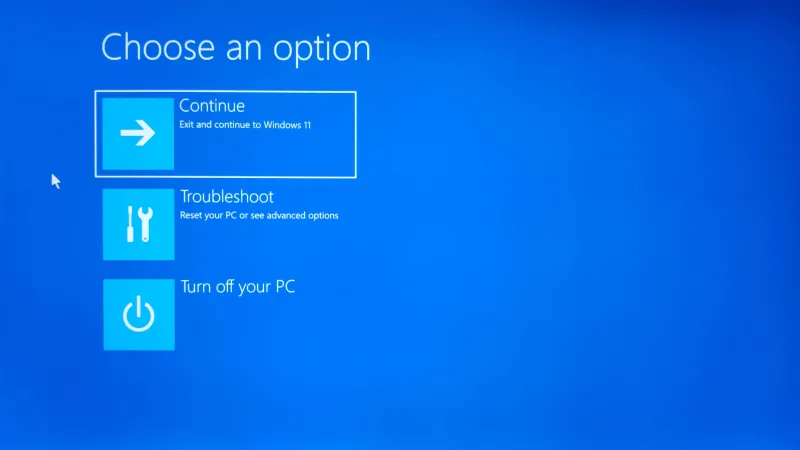
When the blue screen appears, the immediate goal is to collect as much diagnostic data as possible without further destabilizing the system. Booting into Safe Mode isolates the issue by loading only essential drivers, allowing you to determine if a third‑party component is at fault. Once in Safe Mode, the Event Viewer becomes your best friend; filter for “Critical” and “Error” entries around the crash timestamp to spot the offending driver or module. Windows automatically generates a minidump file (usually located in C:\Windows\Minidump) that contains a snapshot of memory at the crash moment. Tools like WinDbg or the more user‑friendly BlueScreenView can decode these dumps, revealing error codes such as DRIVER_IRQL_NOT_LESS_OR_EQUAL or MEMORY_MANAGEMENT. Understanding the hexadecimal identifiers and their associated modules points you directly to the root cause, whether it’s a rogue GPU driver, a corrupted system DLL, or a failing RAM chip. This systematic approach transforms a terrifying blue flash into a solvable data point.
When RAM Misbehaves: A Power‑User’s Full‑Scale Troubleshooting Playbook
Memory errors are a classic source of BSODs, and as power users we often push RAM beyond its nominal specifications with overclocking or aggressive timings. The first step is to run a thorough memory test using the built‑in Windows Memory Diagnostic or a third‑party utility like MemTest86+. If errors surface, consider reseating the DIMMs, updating the motherboard BIOS, and verifying that the voltage settings match the manufacturer’s recommendations. For those who like to squeeze every last megahertz, keep an eye on temperature spikes that can cause transient failures. Detailed guidance on RAM troubleshooting can be found in When RAM Misbehaves: A Power User’s Full‑Scale Troubleshooting Playbook, which walks you through stress testing, error‑log interpretation, and when to replace modules. Remember, a seemingly random blue screen may actually be a symptom of a single faulty chip, so never dismiss memory as an afterthought.
Storage Realities: Why Hard Drives Still Matter for Power Users
In an era dominated by NVMe SSDs boasting blistering speeds, you might think traditional spinning hard drives are obsolete. Yet for power users who juggle massive datasets, backup archives, and AI model repositories, HDDs remain a cost‑effective, high‑capacity solution. The downside? Mechanical wear can lead to bad sectors, and a failing drive often triggers a BSOD during intensive read/write cycles. Regularly run CHKDSK and use SMART monitoring tools to catch early signs of degradation. If you notice error messages like “CRITICAL_PROCESS_DIED” while accessing large video files, the culprit could be an aging platter. For a deeper dive into why hard drives continue to be essential, see Why Hard Drives Remain Essential for Power Users in 2026. Pairing SSDs for the OS and primary applications with HDDs for bulk storage gives you the best of both worlds while reducing the risk of a catastrophic blue screen caused by storage faults.
Driver and Firmware Hygiene: Keeping Motherboard and Peripherals in Sync
Motherboard firmware, or BIOS/UEFI, is the silent orchestrator behind every hardware interaction. An outdated BIOS can miscommunicate with newer drivers, especially after a Windows feature update, leading to kernel‑level crashes. Schedule a quarterly check of the manufacturer’s website for firmware releases, and always read the changelog—some updates specifically address memory management and power‑state transitions that are notorious BSOD triggers. Equally important is maintaining up‑to‑date drivers for GPU, network adapters, and peripheral controllers. Use a tool like the built‑in Device Manager, but for a power‑user’s precision, I prefer the curated driver repository highlighted in Motherboard Mastery: What Power Users Need to Know in 2026. When you align firmware and driver versions, you eliminate a large class of incompatibility‑induced blue screens, allowing you to focus on performance rather than firefighting.
Optimizing Windows Settings for a Blue‑Screen‑Resilient Environment
Windows offers a suite of advanced settings that, when tuned, can dramatically reduce BSOD frequency. Disable driver signing enforcement only when absolutely necessary, as it can open the door to unsigned, unstable drivers. Turn off fast startup to ensure a clean boot sequence—this prevents stale driver caches from causing kernel panics. Adjust the paging file size manually to accommodate the heavy memory demands of AI workloads; a fixed size eliminates dynamic resizing glitches. Additionally, enable Core Isolation and Memory Integrity under Windows Security to protect against malicious kernel exploits that sometimes masquerade as hardware failures. For a comprehensive checklist tailored to power users, refer to Unlocking the Full Potential of Windows for Power Users in 2026. By taking control of these settings, you turn Windows from a reactive platform into a proactive shield against blue screens.
Proactive Maintenance with AI‑Driven Automation Tools
Automation isn’t just for repetitive tasks; it can be a lifesaver when it comes to preventing BSODs. In 2026, AI‑enabled monitoring utilities can predict hardware failure by analyzing temperature trends, voltage fluctuations, and SMART data in real time. Set up alerts that trigger a graceful shutdown before a critical threshold is crossed, preserving data integrity and avoiding sudden crashes. Scripts that automatically clear temporary files, reset driver caches, and schedule regular driver updates keep the system lean and less prone to memory leaks. I’ve integrated such routines into my daily workflow using the strategies outlined in Harnessing AI and Automation: Power‑User Strategies for Microsoft Office in 2026, adapting the concepts for system‑wide health checks. This proactive stance means you spend more time creating and less time troubleshooting blue screens.
Future‑Proofing Your Rig: Building a Resilient, BSOD‑Resistant PC
Ultimately, the best defense against blue screens is a well‑designed, future‑ready workstation. Choose a motherboard with robust VRM cooling, ample PCIe lanes, and a BIOS that supports rapid firmware updates. Pair high‑quality, low‑latency RAM with ECC (Error‑Correcting Code) if your workload tolerates the slight performance hit—it can automatically fix single‑bit errors that would otherwise cause crashes. Invest in a dual‑drive setup: an NVMe SSD for the OS and active applications, and a high‑capacity HDD for archival storage. Finally, maintain a disciplined backup routine, leveraging both cloud snapshots and local clones to ensure you can recover quickly after any unexpected BSOD. For a step‑by‑step guide on building such a system, see The Power‑User’s Blueprint for Building a Future‑Ready PC. By marrying solid hardware choices with vigilant maintenance, you’ll turn the blue screen from an inevitable nightmare into a rare anomaly.