Ever since I first saw that electric‑blue glare of a Stop error on my workstation, I’ve treated every BSOD like a personal challenge. In 2026, the blue screen has evolved from a clunky Windows 95 relic into a nuanced diagnostic tool that can whisper the exact fault code before your machine powers down. My journey from a frustrated end‑user to a self‑taught troubleshooting specialist has taught me that the key isn’t just “fix it fast”—it’s “understand why it happened” and then build a shield so it never returns. In this post I’ll walk you through the anatomy of a modern blue screen, share the systematic steps I use every time a crash occurs, and sprinkle in a few power‑user shortcuts that keep my own rig humming. By the end you’ll not only know how to diagnose a sudden flash of blue, but you’ll also have a checklist that turns a dreaded crash into a routine maintenance event.
What the Blue Screen Actually Means
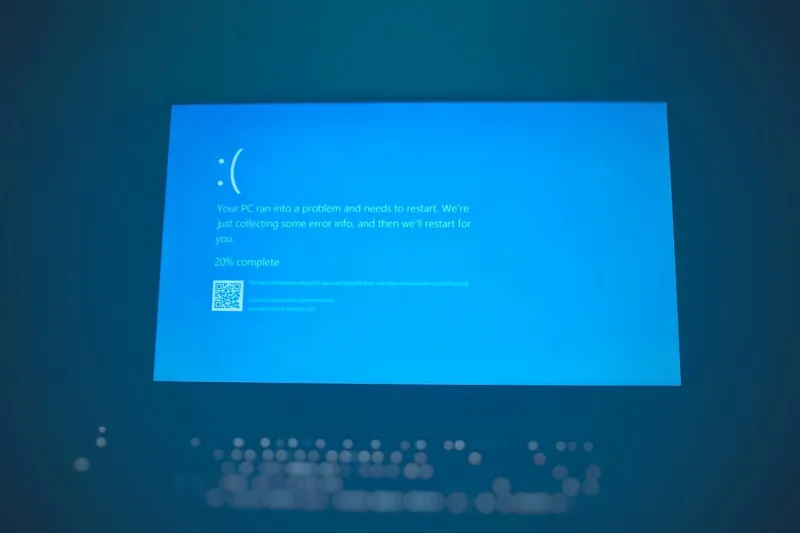
Most people still think of a BSOD as a vague “computer died” moment, but behind that stark color lies a precise error code generated by the Windows kernel. When the operating system detects an unrecoverable condition—like illegal memory access, driver deadlock, or hardware failure—it halts all processes, writes a crash dump, and displays a message that includes a Stop code, parameters, and sometimes a QR‑linked URL for online help. In 2026 the default screen is less obtrusive than the old “STOP: 0x0000007B” nightmare, yet the underlying principle remains unchanged: the OS is protecting your data by stopping before corruption spreads. Understanding the meaning of common codes such as CRITICAL_PROCESS_DIED or MEMORY_MANAGEMENT can instantly narrow down whether you’re looking at a software bug, a driver conflict, or a failing RAM module. This is why I always make a habit of capturing the code—whether by taking a quick photo or noting it in the Event Viewer—before the machine reboots.
Common Triggers in 2026
While the blue screen’s visual style has been refined, the root causes have expanded alongside modern hardware and software complexity. First, driver incompatibility continues to be a leading culprit; new GPU or network drivers released through Windows Update can clash with legacy firmware, especially on custom builds. Second, hardware failures—particularly in SSDs that push NAND cells to their endurance limits—can cause unexpected memory reads that trip the kernel’s safeguards. Third, aggressive power‑saving features in UEFI BIOSes sometimes mismanage voltage rail transitions, prompting the CPU to flag a fatal error. Finally, the rise of third‑party security suites and endpoint protection platforms introduces additional layers where a misconfigured rule can trigger a system halt. In my own experience, the most frustrating crashes happen after a seemingly innocuous Windows patch, reminding me that even routine updates can open a Pandora’s box if the underlying drivers aren’t fully vetted.
First‑Line Diagnostic Playbook
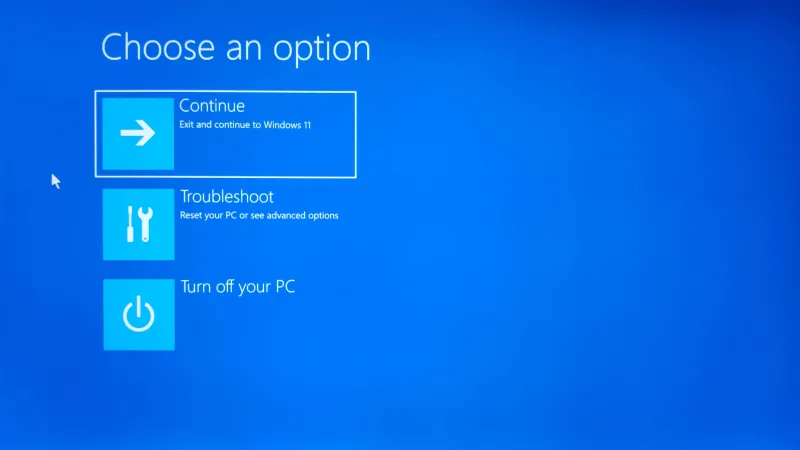
When the blue screen strikes, my first instinct is to get the system into a stable state without altering the underlying issue. I power the machine off, wait a few seconds, and then boot into Safe Mode by holding Shift while clicking Restart. Safe Mode loads only essential drivers, allowing me to verify whether the crash is tied to a third‑party component. Once inside, I open the Event Viewer (type eventvwr.msc) and filter for “Critical” events under the System log, where the crash dump details are recorded. The BugCheckCode field will match the Stop code you saw on the screen. I also check the “Memory Dump” folder (usually C:\Windows\Minidump) for the most recent .dmp file; tools like WinDbg or the free WhoCrashed utility can decode these files into human‑readable reports. This systematic approach ensures I’m not chasing phantom symptoms and gives me a solid starting point before I dive deeper.
Why Your PC Keeps Turning Blue and How to Stop It
If you’ve ever wondered why the blue screen seems to haunt you repeatedly, the answer often lies in a looping driver or firmware issue. My go‑to resource for breaking that cycle is the guide Why Your PC Keeps Turning Blue and How to Stop It, which walks you through a step‑by‑step process to isolate the misbehaving component. The first step is to roll back any recent driver updates using Device Manager’s “Roll Back Driver” button, especially for graphics cards and network adapters. Next, I disable fast startup in the Power Options, because that hybrid boot can sometimes prevent new drivers from initializing cleanly. Finally, I run the built‑in Windows Memory Diagnostic or a third‑party tool like MemTest86+ to rule out faulty RAM. By methodically addressing each layer—driver, firmware, memory—you’ll often find the blue screen’s recurrence drops dramatically, turning a chronic nuisance into a one‑off event.
Memory Errors: The Silent Assassin
Memory-related crashes are notorious for their cryptic error codes, but they’re also some of the easiest to verify. In 2026, most consumer PCs ship with DDR5 modules that operate at higher frequencies and tighter timings, which means a single bad cell can cause the kernel to throw a MEMORY_MANAGEMENT or PAGE_FAULT_IN_NONPAGED_AREA Stop code. I start by reseating the RAM sticks—sometimes a simple push into the slots resolves a poor contact. If the issue persists, I boot a USB‑based MemTest86+ image and let it run at least three full passes; any errors flagged indicate a hardware defect that should be replaced under warranty. For systems with mixed‑capacity modules, I also check that the XMP profile matches the manufacturer’s specifications; misaligned timings can masquerade as intermittent blue screens. By eliminating memory as the root cause early, you free up diagnostic time to focus on drivers or software conflicts.
Software Corruption and Malware
Even with flawless hardware, software can still betray you. Corrupted system files—often the result of interrupted Windows updates or aggressive third‑party cleaners—can trigger a fatal exception when the OS tries to access a missing DLL. I run sfc /scannow from an elevated Command Prompt to automatically replace missing or altered system components, followed by DISM /Online /Cleanup‑Image /RestoreHealth to repair the component store. On the security front, modern malware has become adept at injecting malicious drivers that cause low‑level crashes. Running a thorough scan with a reputable anti‑malware suite, and checking the “Driver” tab in the Task Manager for unknown entries, can catch these stealthy threats before they bring the system down. In my own lab, a rogue cryptominer once installed a kernel‑mode driver that produced a DRIVER_IRQL_NOT_LESS_OR_EQUAL stop code—once removed, the blue screens vanished.
Unlock the Windows Tips Power Users Swear By
Beyond the basics, there are hidden Windows utilities that power users leverage to keep their rigs stable. One of my favorites is the “Windows Performance Recorder” (WPR), which captures detailed trace logs during a crash scenario, letting you pinpoint the exact driver or process responsible. Another is the “Group Policy Editor” where you can disable automatic driver updates for known‑good devices—a trick that saved me countless reboots after a recent GPU driver rollout. For those comfortable with scripting, the PowerShell cmdlet Get-EventLog -LogName System -EntryType Error -After (Get-Date).AddHours(-2) quickly surfaces recent critical events without opening the bulky Event Viewer UI. If you want to dive deeper, the guide Unlock the Windows Tips Power Users Swear By provides step‑by‑step instructions for these advanced tools, turning a panic‑inducing blue screen into a manageable diagnostic checkpoint.
Preventative Maintenance: The Long‑Term Shield
Preventing future BSODs is often a matter of disciplined maintenance. I make it a habit to schedule monthly driver audits using the manufacturer’s utility—NVIDIA’s GeForce Experience, AMD’s Radeon Software, or Intel’s Driver & Support Assistant—ensuring I’m on a stable release rather than a bleeding‑edge beta. I also enable “System Restore” points before any major Windows update, giving me a quick rollback option if the new build introduces instability. Regular backups, whether via a dedicated NAS or cloud service, protect you from data loss if a crash does force a hard reset. Finally, I keep my BIOS firmware up to date, but only after verifying the changelog addresses known stability issues; flashing firmware indiscriminately can introduce more problems than it solves. By treating your PC like a living system—feeding it clean drivers, monitoring its health, and backing up its memories—you create a resilient environment where blue screens become rare anomalies instead of daily expectations.
Looking Ahead: The Future of BSODs
As we move further into 2026, the nature of blue screens is shifting from a blunt-force stop to a more graceful error handling approach, thanks to advancements like Windows’ “Kernel-Mode Code Signing” and improved hardware error reporting standards. Yet the core principle remains: the OS will halt when it detects a condition that could corrupt your data. My hope is that readers will adopt a proactive mindset—treating each blue screen as a data point rather than a disaster—and use the tools and strategies outlined here to keep their machines running smoothly. Remember, the blue screen is not an enemy; it’s a diagnostic ally that, when understood, can guide you toward a more stable, faster, and more secure computing experience. Stay curious, stay updated, and let the occasional flash of blue be a reminder that you’re in control of your tech.