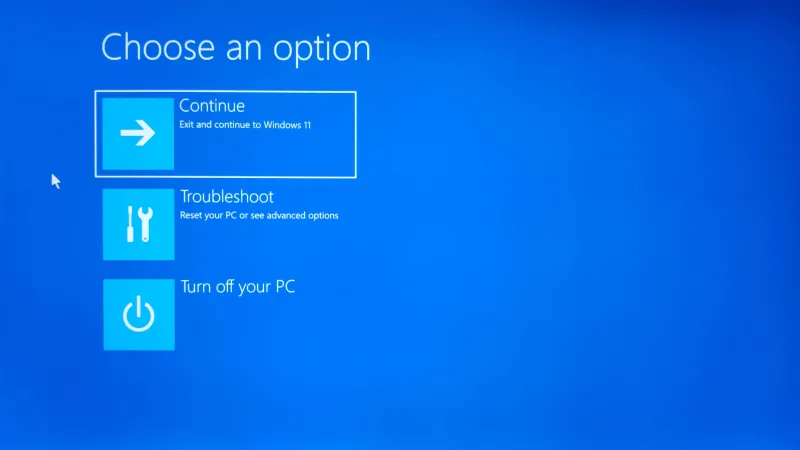
When my laptop flickered to that dreaded electric‑blue canvas last month, I felt a strange mix of panic and curiosity. As someone who lives and breathes troubleshooting, the blue screen isn’t just an annoyance—it’s a signal that something deep in the system’s core has decided to scream for help. In 2026, we’ve seen hardware become more compact, firmware more sophisticated, and software ecosystems more intertwined, yet the Blue Screen of Death (BSOD) remains stubbornly timeless. In this post I’ll peel back the layers of that blue veil, share the detective work that turned my frustration into a roadmap, and give you the tools to tame the blue beast before it hijacks your workflow. Whether you’re a seasoned power user or a casual creator, understanding why the screen turns blue can save hours of lost productivity and keep your rig humming smoothly.
Understanding the Blue Screen Phenomenon
The BSOD is essentially Windows’ way of performing a controlled shutdown when the operating system encounters a fatal error it cannot recover from. Behind that neon backdrop lies a small dump file, a stop code, and often a hint about the offending driver or subsystem. Common stop codes like CRITICAL_PROCESS_DIED or MEMORY_MANAGEMENT point to specific fault domains—process termination, RAM issues, or even corrupted system files. In 2026, many of these codes have been augmented with more granular diagnostics, but the core principle remains: the kernel has hit a barrier it cannot cross without risking data loss. Recognizing the code is the first clue; it tells you whether you’re dealing with a software misstep, a rogue driver, or a hardware failure masquerading as a software glitch. By logging these codes, you build a searchable history that can be cross‑referenced with known issues, turning a random nightmare into a solvable puzzle.
Diagnosing the Culprit
The first step after the blue flash is to capture the error details. Windows automatically saves a mini‑dump in the C:\Windows\Minidump folder, which you can open with tools like WinDbg or the built‑in “View Event Viewer” utility. Look for entries labeled “BugCheck” under the System log; they will list the stop code and the driver or module that caused the crash. If you’re comfortable with command‑line, the werfault utility can generate a more readable report. Pair this data with a quick hardware health check—run memtest86 for RAM stability and chkdsk for storage integrity. For many users, the hidden culprit is a recently updated graphics driver or a mismatched BIOS version. In my own case, the blue screen appeared after a firmware update, and a deeper dive revealed a conflict with a legacy chipset. If you’re interested in how newer boards are designed to avoid these pitfalls, the Motherboard trends article offers a solid background on the hardware side of the equation.
Step‑One Fix: Updating Drivers the Right Way
Outdated or corrupted drivers are the most frequent BSOD instigators. The key is to source drivers directly from the hardware manufacturer rather than relying on Windows Update’s generic packages. Start by identifying the offending driver from the dump file, then visit the vendor’s support portal for the latest version. Before installing, create a system restore point—this gives you a safety net should the new driver introduce a fresh conflict. After the update, reboot and monitor for stability. For power users who love to fine‑tune their Windows experience, there’s a treasure trove of tricks that go beyond basic driver updates. My go‑to resource for hidden efficiencies is Windows power user tips, which covers everything from registry tweaks to advanced power plans that can indirectly reduce BSOD frequency by keeping the system in a healthier state.
Step‑Two Fix: Verifying Storage and Memory Health
Even the cleanest drivers can’t compensate for failing hardware. Bad sectors on a hard drive or a slipping RAM module will often trigger memory‑management stop codes. Run a full surface scan with chkdsk /r to locate and isolate problematic sectors, and consider using the manufacturer’s diagnostic suite for SSDs, which can report wear leveling and firmware errors. For RAM, a single pass of memtest86 can uncover intermittent bit flips that cause random crashes. While SSDs dominate the market, traditional spinning drives still hold a crucial role for power users who need massive, cost‑effective storage. Understanding why that is the case can help you make smarter decisions about your storage stack; the hard drive health guide dives into the durability and backup benefits that keep hard drives relevant in a flash‑driven world.
Advanced Tweaks and System Settings
If driver and hardware checks don’t resolve the blue screen, it’s time to explore deeper system settings. Disabling “Fast Startup” in the Power Options can prevent the OS from skipping critical driver initialization during boot, a common trigger for obscure BSODs on newer UEFI platforms. Adjusting the page file size to a custom value rather than letting Windows manage it automatically can also mitigate memory‑related stop codes, especially on machines with mixed RAM capacities. Don’t overlook BIOS/UEFI updates—manufacturers often release firmware that patches microcode bugs which can manifest as kernel panics. However, treat BIOS flashing with caution; back up the current firmware and follow the vendor’s exact procedure. When in doubt, a clean reinstall of Windows can reset lingering configuration errors, but be sure to back up your data and have a bootable USB ready.
When to Consider a Full OS Reinstall or Hardware Replacement
Sometimes the most efficient solution is a fresh start. If you’ve exhausted driver updates, hardware diagnostics, and system tweaks, the underlying cause may be a corrupted Windows installation. In this scenario, reinstalling the OS can clear hidden registry errors and replace damaged system files. Before you wipe your drive, ensure you have a complete backup—both files and the current system image. If the BSOD persists after a clean install, it’s a strong indicator that the hardware itself is at fault. At this point, evaluating your overall platform makes sense; perhaps it’s time to upgrade to a motherboard that aligns with modern standards. For guidance on selecting the best operating environment for your workflow, see right OS choice, which walks through the pros and cons of Windows, macOS, and Linux for power users.
Preventive Maintenance: Keeping the Blue at Bay
Prevention is always better than cure, especially when a blue screen can wipe hours of unsaved work. Schedule regular Windows Updates, but hold off on major driver revisions until they’ve been vetted by the community. Enable automatic system restore points before installing new software, and keep a lightweight backup solution like a network‑attached storage (NAS) device running incremental snapshots. Monitoring tools such as HWMonitor or the built‑in Resource Monitor can alert you to temperature spikes or voltage irregularities before they cause a crash. Lastly, consider encrypting your drives; while it adds a layer of security, it also forces the OS to perform regular integrity checks, which can surface hardware issues early. A disciplined maintenance routine transforms the BSOD from a random terror into a rare, manageable event.
Closing Thoughts and Next Steps
Encountering a blue screen doesn’t have to feel like a death sentence for your productivity. By methodically logging error codes, verifying drivers, and confirming hardware health, you can turn a moment of panic into a learning experience that strengthens your entire computing ecosystem. I’ve walked this path countless times, and each blue flash taught me something new about the delicate dance between software and silicon. If you found this guide helpful, dive deeper into our other troubleshooting posts—there’s a whole suite of resources waiting to help you master your machine. Remember, the blue screen is a message, not a verdict; with the right tools and a bit of curiosity, you’ll keep your rig running smoothly well into the future.