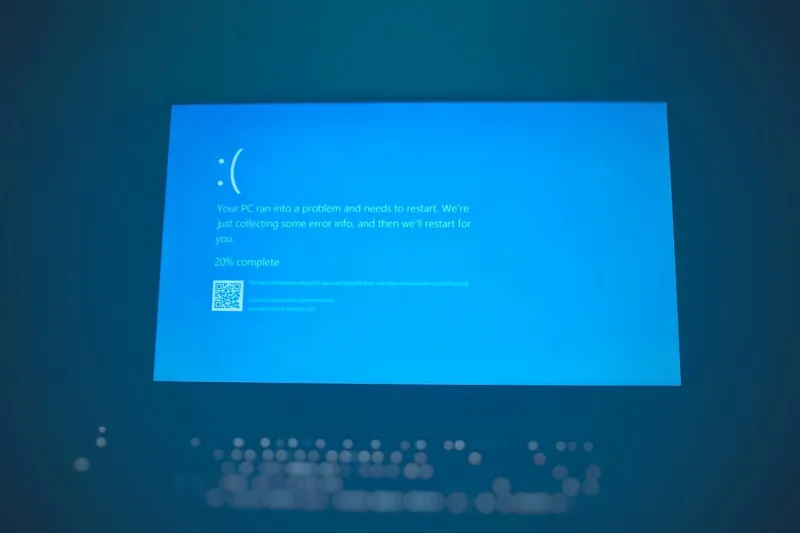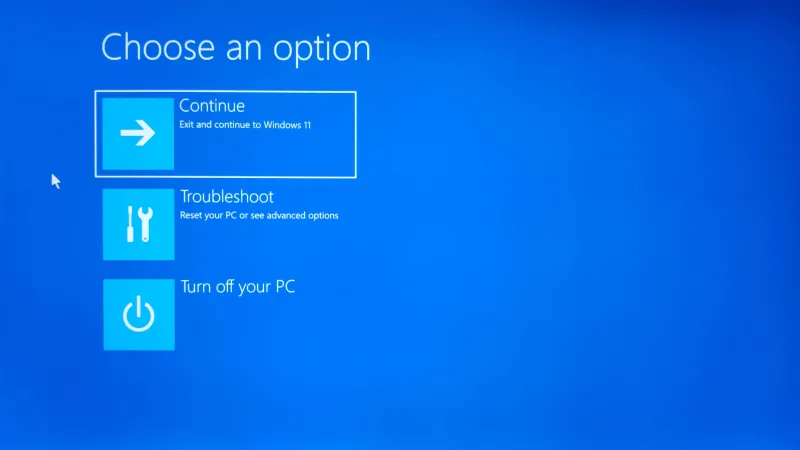
When the familiar electric-blue glare of a crash screen erupts on my dual‑monitor rig, my first instinct isn’t panic—it’s curiosity. As a power‑user who spends half the day tinkering under the hood of Windows 11, I’ve learned to treat every Blue Screen of Death (BSOD) as a diagnostic puzzle rather than a death sentence. In 2026 the BSOD has shed some of its mystique, but it remains a stubborn reminder that even the most meticulously built machines can betray us. The key is to understand why the blue screen still haunts us: modern OS kernels are more complex, drivers are more numerous, and the sheer performance of today’s hardware pushes components to their limits. In this article I’ll walk you through the most common triggers, the tools I rely on, and the preventative habits that keep my workstation humming, all from the unique perspective of someone who lives at the intersection of hardware mastery and software finesse.
Why the Blue Screen Persists in a Modern Era
Even with the stability improvements Windows has rolled out over the past decade, the BSOD remains a safety valve for the operating system when it encounters unrecoverable errors. In 2026, the most frequent culprits are still the classic trio: faulty drivers, corrupted system files, and hardware glitches. What’s changed is the context—high‑performance GPUs, NVMe SSDs, and AI‑accelerated workloads introduce new stress points that older diagnostic mindsets don’t always cover. For example, a misbehaving driver that once caused a minor hiccup can now cascade into a full‑system halt when the GPU is pushing 300 W of power during a machine‑learning inference task. Moreover, Windows 11’s tighter integration with security features like memory integrity means that a single rogue piece of code can trigger a blue screen to protect the rest of the system. Understanding this modern landscape is crucial because the solutions we apply must address both legacy pitfalls and the novel demands of today’s power‑user workloads.
Getting the Right Tools in Your Arsenal
The first step in any BSOD investigation is to capture the crash dump and decode it with the right software. I swear by Unlocking Windows Power: Advanced Strategies for 2026 Power‑Users for its deep dive into WinDbg configuration, but the basics are simple: enable “Small memory dump” in System Properties, reproduce the crash, then open the .dmp file in WinDbg. Look for the “BugCheck” code—each hexadecimal number tells a story. A 0x0000007E, for instance, usually points to a driver issue, while 0x00000050 flags a page fault in non‑paged memory, often a sign of RAM trouble. Once you have the code, use the “!analyze -v” command to get a verbose output that lists the likely offending module and its stack trace. I also recommend enabling the “Enable Kernel-Mode Debugging” flag when you’re deep into troubleshooting; it lets you attach a second PC for live analysis, turning a frustrating crash into a collaborative debugging session.
Driver Management: The Silent Killer
Drivers are the unsung heroes—or villains—of system stability. In 2026, many manufacturers push updates through proprietary utilities that bypass Windows Update, making it easy to run outdated or mismatched versions. My routine starts with the Device Manager, where I sort devices by “Driver Date” and look for any that haven’t been refreshed in the last six months. When I spot an outlier, I head straight to the vendor’s website, download the signed WHQL version, and install it manually. For graphics cards, I prefer the “Studio” driver branch because it’s optimized for creative workloads and tends to be more stable than the “Game Ready” releases. If a driver update coincides with a new BSOD, I roll back to the previous version and flag the issue in the Windows Feedback Hub. This disciplined approach, combined with periodic checks using the Mastering 2026 PC Hardware guide, keeps my system’s software layer in harmony with its high‑end hardware.
Memory and Motherboard Health: The Foundation of Reliability
Faulty RAM and a temperamental motherboard are the most common hardware roots of blue screens, especially when you’re pushing the limits with 64 GB of DDR5 or beyond. I start by running Windows Memory Diagnostic or MemTest86 in a bootable USB environment; any errors here are a dead‑giveaway that the memory modules need reseating, firmware updates, or replacement. For motherboard issues, I lean on the diagnostic flow outlined in Diagnosing and Fixing Motherboard Issues Like a Power‑User. Checking BIOS versions, confirming that the VRM temperatures stay within spec under load, and verifying that all power connectors are firmly seated can save you hours of random crashes. In my experience, a BIOS update that addresses “Memory Compatibility” quirks can resolve a cascade of blue screens that were previously blamed on obscure driver bugs. Remember, the motherboard is the nervous system of your PC—any miscommunication can manifest as a fatal system halt.
Storage Performance and Its Role in System Crashes
While SSDs are generally rock‑solid, a failing NVMe drive can corrupt system files and trigger a BSOD during intensive I/O operations. I routinely monitor drive health using the built‑in Windows “Storage Health” tool and supplement it with third‑party utilities like CrystalDiskInfo. Look for SMART attributes that exceed thresholds, especially “Reallocated Sector Count” and “End-to-End Error”. If you spot a warning, clone the drive immediately and replace the hardware. Optimizing your storage stack also helps; enabling write caching, ensuring that the page file resides on the fastest drive, and disabling unnecessary background indexing can reduce the strain that leads to kernel panics. For power‑users who demand the utmost speed, the article Unlocking Maximum Hard Drive Performance for Power Users offers a deep dive into partition alignment and TRIM scheduling, both of which contribute to a more stable environment that’s less likely to throw a blue screen under load.
Proactive Maintenance: Turning Prevention into a Habit
One of the biggest lessons I’ve learned is that the BSOD is often a symptom of neglect. In 2026, I schedule a monthly “system health day” where I run a full suite of checks: Windows Update, driver verifications, disk cleanup, and a quick scan with the built‑in System File Checker (sfc /scannow). I also back up critical data using a combination of local snapshots (via VSS) and cloud storage, so a catastrophic crash won’t mean data loss. Leveraging AI‑driven monitoring tools—highlighted in the AI Computing Trends Shaping Power Users piece—can alert you to unusual temperature spikes or power draw anomalies before they manifest as a blue screen. By treating maintenance as a continuous, automated process rather than an after‑the‑fact fix, you dramatically reduce the probability of encountering that dreaded electric glare.
Your Blue‑Screen Playbook for 2026
At the end of the day, conquering the blue screen is about building a systematic approach: capture the dump, identify the bug check, verify drivers, test memory, audit storage, and enforce regular maintenance. I keep a simple checklist on my desktop that reads: 1) Dump captured? 2) Driver versions verified? 3) Memory test passed? 4) Disk health green? 5) System fully patched? If any item fails, I dive deeper before the next work session. This playbook has saved me countless hours of downtime and turned potential crises into learning opportunities. Remember, the blue screen isn’t your enemy—it’s a diagnostic beacon guiding you toward a more resilient machine. Embrace it, decode it, and you’ll find that your PC not only survives but thrives under the most demanding workloads of 2026.