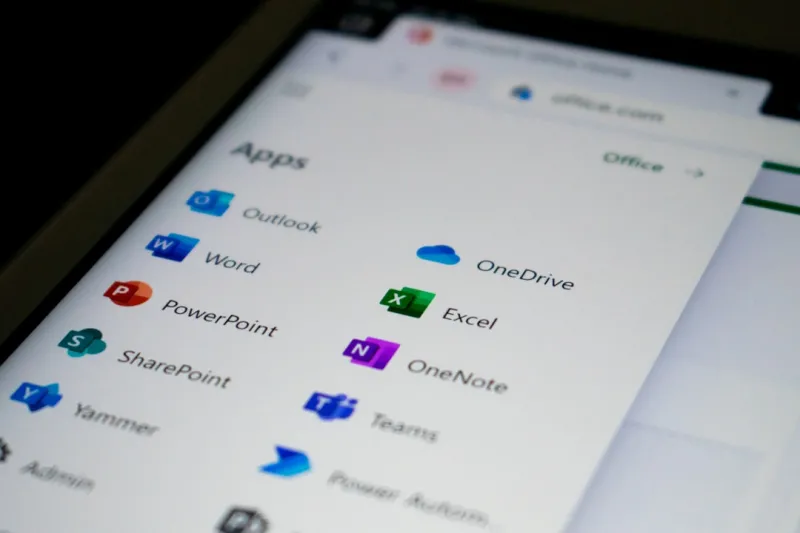
When I first opened a brand‑new copy of Microsoft Office back in the early 2010s, the suite felt like a static toolbox—reliable, but limited to the basics of word processing, spreadsheets, and presentations. Fast‑forward to 2026, and Office has morphed into an adaptive, AI‑infused ecosystem that can anticipate my workflow, suggest data visualizations, and even draft first‑pass content based on a few keywords. As a self‑described “power‑user” who lives at the intersection of tech tinkering and productivity hacking, I’ve learned that mastering these new capabilities isn’t just about clicking the right ribbon tab; it’s about rethinking how I structure projects from day one. In this post I’ll walk you through the most impactful features—Co‑Pilot, real‑time collaboration across the cloud, and the deep integration with Teams and OneDrive—that have transformed my daily routine. By the end, you’ll see why Office is no longer a passive suite but a proactive partner that can shave hours off even the most complex tasks.
The AI Co‑Pilot Revolution
Microsoft’s Co‑Pilot, now embedded in Word, Excel, and PowerPoint, is the crown jewel of the 2026 Office experience. Unlike the clunky add‑ins of the past, Co‑Pilot runs locally in a sandboxed environment, leveraging the latest large language models while respecting enterprise data policies. In Word, I can outline a report in bullet points, hit a shortcut, and watch a polished draft materialize—complete with citations drawn from my organization’s internal knowledge base. In Excel, Co‑Pilot can suggest formulas you never knew existed, automatically clean data, and even generate pivot tables with a single command. The real magic, however, lies in its ability to learn my habits; after a week of usage, it starts anticipating the types of charts I prefer for financial data and pre‑populates them. For power users who juggle multiple datasets, this AI assistance translates into tangible time savings, letting us focus on analysis rather than manual formatting. If you’re curious about how to unlock even deeper capabilities, check out Unlocking the Full Potential of Microsoft Office for Power Users for a step‑by‑step guide.
Seamless Cloud Collaboration
Collaboration in Office has moved beyond “share a file” to a truly synchronous, cloud‑first experience. OneDrive for Business now syncs changes in milliseconds, and the new “Live Edit” mode lets multiple users edit a Word document without ever seeing a “locked” notification. I’ve leveraged this for quarterly reports where finance, marketing, and legal teams contribute simultaneously; the version history is now a transparent timeline rather than a maze of conflicting drafts. Teams integration has also deepened—Office files open directly in a Teams channel, and any comments you add are instantly visible to everyone in the conversation thread. This fluidity extends to PowerPoint, where I can co‑author slides with a designer in real time, watching their design tweaks appear alongside my content updates. The result? Faster turnaround, fewer email attachments, and a collaborative environment that feels like a single, shared workspace rather than a series of hand‑offs. For those building a future‑ready workstation, I recommend reading Unlocking AI Power: Building a Future‑Ready Workstation for 2026 to ensure your hardware can keep pace with these cloud demands.
Data‑Driven Insights in Excel
Excel remains the backbone of data analysis, but the 2026 edition is a quantum leap forward thanks to its built‑in analytics engine. The “Analyze Data” pane, powered by Co‑Pilot, can automatically detect trends, outliers, and correlations without a single line of code. When I load a raw sales CSV, the tool suggests the optimal chart type, adds conditional formatting, and even drafts a narrative summary that I can paste directly into my presentation. Advanced users can also tap into the new “Python in Excel” sandbox, allowing us to run scripts directly within a workbook—no external IDE needed. This integration respects security constraints by running scripts in an isolated container, a critical feature for enterprises concerned about data leakage. Moreover, the dynamic arrays and LAMBDA functions have matured, making it possible to build reusable, modular calculations that behave like native functions. If you’ve ever struggled with messy data, the combination of AI suggestions and programmable extensions can turn a chaotic spreadsheet into a clean, insight‑rich model in minutes.
PowerPoint as a Storytelling Engine
Presentations used to be a manual slog: design slides, insert charts, rehearse. Today, PowerPoint’s AI‑driven “Design Ideas” and “Speaker Coach” features turn the process into a collaborative storytelling session. After drafting an outline, I invoke Co‑Pilot to generate a deck with suggested layouts, iconography, and even speaker notes tailored to my audience’s industry jargon. The “Live Captions” feature now supports multilingual subtitles, making it effortless to present to global teams without a separate translation service. For power users who demand precision, the new “Slide Master AI” can apply brand guidelines automatically, pulling colors and fonts from a corporate style guide stored in SharePoint. This ensures consistency across decks while freeing me to focus on content depth rather than design minutiae. The integration with Teams also means I can present directly from a channel, collect real‑time poll results, and have the audience’s feedback loop back into the deck for instant iteration.
Automation with Power Automate and VBA
While AI handles the heavy lifting of content creation, many of us still rely on automation to glue disparate tools together. Power Automate, now fully embedded within Office apps, lets you trigger flows directly from a Word document or an Excel workbook. For example, I’ve set up a flow that, whenever a budget spreadsheet reaches a threshold, automatically drafts an email in Outlook with a pre‑populated approval template and logs the change in a SharePoint list. For legacy fans, VBA remains alive and well, but it now runs in a sandboxed environment that mitigates the risk of macro‑based malware—a common concern highlighted in Mastering Modern Encryption: A Power‑User’s Guide for 2026. The blend of AI‑suggested macros and low‑code flows creates a hybrid automation strategy that scales from personal productivity hacks to enterprise‑grade processes, all without leaving the Office suite.
Security and Compliance Built In
Security is no longer an afterthought in Office; it’s woven into every layer. Sensitivity labels, powered by Microsoft Information Protection, automatically apply encryption and access restrictions based on content type—think financial statements automatically marked “Confidential.” The integrated “Data Loss Prevention” engine scans emails, documents, and Teams chats for regulated data, blocking accidental leaks before they happen. As a power user who frequently handles client‑sensitive material, I appreciate the granular control: I can set policies that require multi‑factor authentication for any document shared outside the corporate domain. The new “Compliance Manager” dashboard gives a real‑time health score of your Office environment, highlighting risks and recommending remediation steps. This proactive approach ensures that even as we embrace AI and cloud collaboration, our data remains protected, aligning with the stringent standards set by industry regulators in 2026.
Future‑Proofing Your Office Experience
Investing in the latest Office suite is only half the battle; you need a hardware foundation that can handle AI inference, real‑time collaboration, and heavy data workloads. A workstation equipped with an 12th‑gen Intel i9 or AMD Ryzen 9 processor, 32 GB of DDR5 RAM, and a fast NVMe SSD ensures that Co‑Pilot’s local models load instantly, while large Excel files open without lag. Pair this with a high‑resolution 4K monitor that supports HDR, and you’ll see every detail of complex charts and designs clearly. Don’t forget to keep your drivers and OS patched—Microsoft’s “Windows for Power Users” guide (see the linked post) outlines the best practices for maintaining performance and security. By aligning your hardware roadmap with Office’s evolving feature set, you guarantee a seamless, future‑ready workflow that scales as your projects grow in complexity.
Conclusion: Office as an Extension of Your Brain
In 2026, Microsoft Office is no longer a static suite of applications; it’s an intelligent partner that amplifies our cognitive bandwidth. From AI‑driven content creation in Word and PowerPoint to predictive analytics in Excel and seamless, cloud‑first collaboration, the platform empowers power users to work faster, smarter, and more securely. The key to unlocking its full potential lies in embracing the new AI features, integrating automation through Power Automate, and ensuring your hardware can keep up with the increased demand. If you’re ready to transform the way you work, dive into the resources linked throughout this article, experiment with Co‑Pilot, and watch as your daily grind turns into a streamlined, high‑impact performance. Office, when leveraged correctly, becomes an extension of your brain—a tool that thinks with you, not just for you.