Why Microsoft Office Remains the Power‑User Playground in 2026
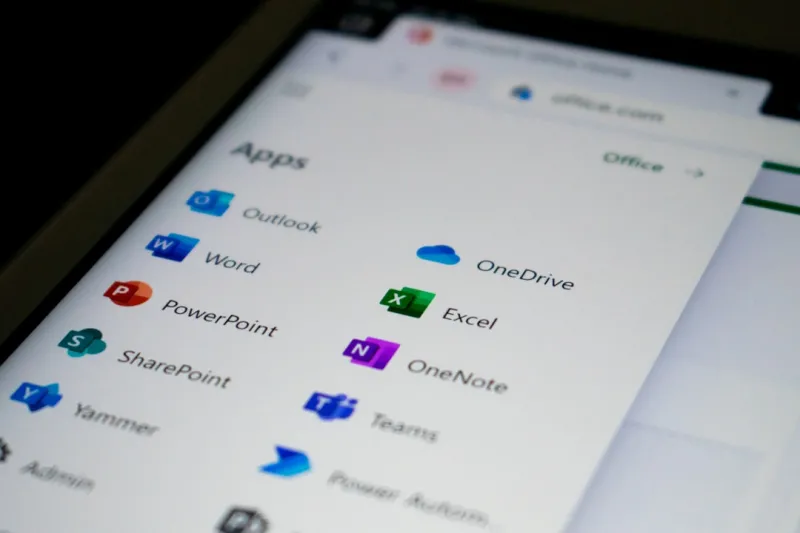
Every time I fire up a new version of Microsoft Office, I feel like a kid in a candy store—except the candy now talks back, learns from me, and even predicts the next flavor I’ll crave. In 2026, the suite isn’t just a collection of static apps; it’s a living, breathing AI‑infused ecosystem that rewards curiosity and a willingness to experiment. I’ve spent years tinkering with macros, VBA, and hidden settings, and the latest AI Copilot layers add a whole new dimension to that playground. The trick, as always, is to stay ahead of the learning curve by treating each update not as a chore but as a sandbox for power‑user mastery. Whether you’re drafting a client proposal in Word, dissecting a massive dataset in Excel, or polishing a pitch deck in PowerPoint, the new intelligent assistants are designed to amplify your expertise, not replace it. In this article, I’ll walk you through the most impactful features, share the shortcuts that have transformed my workflow, and point you to deeper resources so you can unleash the full potential of Office—today and beyond.
AI Copilot in Word: From Draft to Masterpiece in Minutes
Word’s AI Copilot feels like having a seasoned editor perched on my shoulder, ready to reshape sentences, suggest richer vocabulary, and even generate whole sections based on a brief outline. The real power comes when you start feeding it context—uploading research PDFs, past reports, or even a set of brand guidelines—so the AI can mirror your voice and adhere to your style guide automatically. I’ve discovered that by using the “Prompt Builder” (a hidden gem tucked under the “Tell Copilot” menu), I can specify tone, length, and audience with a single line of instruction, and the draft that emerges is often publish‑ready. For those of us who still love a good macro, you can even bind a custom shortcut to launch Copilot with a predefined prompt, turning a repetitive writing task into a single keystroke. The result? A dramatically reduced turnaround time on client deliverables and more mental bandwidth to focus on strategic thinking.
Excel’s AI‑Powered Data Types and Advanced Analytics
If you think Excel is just rows and columns, think again. The AI‑enhanced data types now let you pull live market data, geographic information, and even sentiment scores directly into cells without leaving your spreadsheet. I’ve built a financial model that automatically refreshes stock prices and currency exchange rates, then runs a Monte Carlo simulation with a single click. The secret sauce lies in combining these live data types with dynamic arrays and the new LAMBDA function, which lets you encapsulate complex logic into reusable custom formulas. By nesting Copilot’s “Analyze Data” feature, you can ask it to surface outliers, forecast trends, or generate a pivot table on the fly—saving hours of manual charting. And don’t forget the “Ideas” pane: it surfaces visualizations you might never have considered, turning raw numbers into compelling narratives that win stakeholder buy‑in.
PowerPoint Designer and Real‑Time Collaboration: Elevating Visual Storytelling
PowerPoint’s Designer used to be a helpful after‑thought, but today it’s an AI co‑creator that suggests layouts, iconography, and even entire slide decks based on a single slide title. I start every presentation by typing a concise outline into the “Slide Master” and letting Designer populate the deck with on‑brand visuals that match my company’s color palette automatically. The new “Live Translation” feature, powered by Azure AI, allows me to present to multilingual audiences without a hitch—simply toggle the language and watch subtitles appear in real time. Collaboration has also reached a new level: multiple users can now edit a deck simultaneously while the AI watches for consistency, flagging duplicate fonts or misaligned elements. By integrating Copilot with the “Notes” pane, I can generate speaker notes that summarize key points, ensuring I stay focused on delivery rather than reading slides verbatim.
Outlook’s Intelligent Inbox and Seamless Teams Integration
Inbox overload is the bane of any professional, but Outlook’s AI-driven “Focused Inbox” now goes beyond simple sorting—it predicts which messages will require action within the next 24 hours and surfaces them at the top of your view. I’ve configured a rule that auto‑assigns categories based on project keywords, then uses Copilot to draft concise replies or propose meeting times, cutting my email response time in half. The real magic happens when Outlook talks to Teams: a flagged email can instantly spawn a channel thread, complete with a summary of the email’s content and suggested action items. For power users, the “Quick Steps” wizard lets you chain these actions together, so a single keystroke can move an email, add it to a Planner task, and set a reminder—all without leaving the inbox. This level of automation frees me to focus on high‑impact work instead of drowning in correspondence.
OneDrive, SharePoint, and Version Control: Keeping Your Files Safe and Accessible
Collaboration is only as good as the file management system behind it, and OneDrive coupled with SharePoint offers a robust version‑control environment that feels like Git for documents. Every change you make is automatically saved as a version, and you can revert to any previous state with a single click—essential when a Copilot‑generated draft goes off the rails. I’ve set up a shared library with granular permissions, ensuring that sensitive financial models are view‑only for most team members while still allowing a select few to edit. The AI “Compliance Advisor” scans new files for potential data‑privacy issues, flagging anything that might violate corporate policy before it’s shared externally. By leveraging these built‑in safeguards, you get the peace of mind of a locked‑down server without sacrificing the fluidity of cloud collaboration.
Accessibility Features: Designing for Everyone
In 2026, Microsoft has doubled down on accessibility, embedding AI tools that automatically add alt‑text to images, generate captions for videos, and suggest high‑contrast color schemes. I’ve incorporated the “Accessibility Checker” into my workflow early, treating its recommendations as a checklist before publishing any document or presentation. The AI can even rewrite complex sentences into plain language, ensuring that content is understandable for a broader audience. By customizing the “Read Aloud” voice settings, I can proofread my drafts while on the go, catching awkward phrasing that my eyes might miss. These features not only broaden the reach of your work but also demonstrate a commitment to inclusive design—a value that resonates with modern clients and stakeholders.
Deepening Your Office Mastery with AI‑Driven Strategies
For those ready to take the next step, I highly recommend checking out the guide Unlock the Full Potential of Microsoft Office with AI‑Driven Power‑User Strategies. It dives into advanced prompt engineering for Copilot, shows you how to build custom AI‑enhanced templates, and walks you through automating repetitive tasks across the suite. The article also highlights how to leverage Power Automate in conjunction with Office apps to create end‑to‑end workflows that can, for example, pull data from an email, update an Excel table, and generate a PowerPoint slide—all without manual intervention. By integrating these strategies into your daily routine, you’ll transform Office from a static toolbox into a dynamic productivity engine that scales with your ambitions.
Stay Ahead: Essential Updates and Power‑User Resources for 2026
Microsoft rolls out feature updates on a regular cadence, and staying current is crucial for any power user. The post Essential 2026 Updates Every Power User Must Master provides a concise roadmap of the most impactful changes—from the latest AI model upgrades to security enhancements in Office 365. I make it a habit to review these updates every month, then spend an hour experimenting with any new shortcuts or AI capabilities. Combining this habit with the strategies outlined above ensures that you’re not just keeping up—you’re setting the pace. Remember, the true advantage of being a power user isn’t just speed; it’s the ability to adapt, innovate, and extract maximum value from the tools at your disposal. Keep experimenting, share your discoveries with the community, and watch your productivity soar.