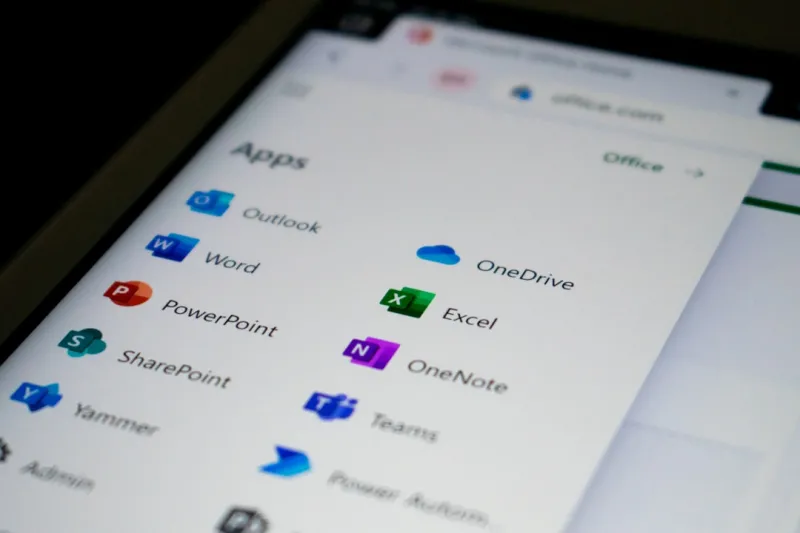
When you think about the suite that still dominates corporate desktops, the answer is unmistakable: Microsoft Office. In 2026, the platform isn’t just surviving; it’s thriving thanks to AI‑driven enhancements, deeper cloud integration, and a renewed focus on power‑user productivity. As a longtime tech enthusiast who has spent countless hours dissecting Windows internals and fine‑tuning PC performance, I’m constantly on the lookout for shortcuts that turn routine tasks into lightning‑fast operations. That’s why the recent rollout of Office Copilot feels like a game‑changer. It leverages large language models to draft documents, generate data visualizations, and even suggest email replies—all while you stay in the flow of your workflow. The key, however, isn’t merely flipping a switch; it’s about embedding Copilot’s capabilities into custom ribbons, automating repetitive steps with Power Automate, and pairing those with the classic Excel formulas that power‑users have mastered for decades. By weaving together these layers, you can shave minutes—or even hours—from weekly reporting cycles, freeing mental bandwidth for strategic thinking. For a deeper dive into the AI features that are reshaping Office, check out Maximizing Microsoft Office in 2026.
Reimagining the Ribbon: Customization for Speed and Clarity
The ribbon interface has long been both a blessing and a curse. While it democratizes access to features, it can also drown power‑users in a sea of icons. In 2026, Microsoft finally gave us the ability to create truly lean, context‑aware ribbons that surface only the commands you need at any moment. Start by navigating to the “Customize Ribbon” dialog, then create a new tab labeled “Power‑User.” Within that tab, add groups for “Data Crunching,” “Presentation Polish,” and “Collaboration Hacks.” Populate each group with the commands you reach for most—think “PivotTable Refresh,” “Slide Master Reset,” and “Teams Quick Chat.” Once set, assign keyboard shortcuts to each group using the “Alt” key sequence, turning a multi‑click process into a single, memorable keystroke combo. Consistency is crucial; keep the same naming conventions across Word, Excel, and PowerPoint so muscle memory transfers seamlessly. Pair these custom ribbons with Office’s new “Command Recorder,” which logs each action you perform, letting you fine‑tune your layout over time. For those who crave an even deeper dive into Office mastery, the guide Mastering Microsoft Office offers step‑by‑step strategies.
AI‑Assisted Drafting: From Idea to Document in Seconds
Imagine opening a blank Word file and instantly having a polished draft appear, complete with headings, bullet points, and even suggested citations. That’s the promise of Office Copilot, and in 2026 it’s no longer a beta curiosity—it’s fully integrated into the desktop experience. To harness this power, type “@Copilot” at the start of a paragraph and describe the purpose of your document: “Create a project brief for migrating legacy applications to Azure, focusing on risk mitigation and timeline.” Within seconds, Copilot produces a structured outline, populating sections with industry‑standard language that you can edit on the fly. The same principle applies in Excel: ask Copilot to “Generate a sales forecast for Q4 based on historic data and seasonality trends,” and watch a dynamic table appear with suggested formulas, conditional formatting, and a chart ready for presentation. The secret to getting the best results lies in providing clear, concise prompts and then iterating—use follow‑up commands like “Add a column for projected profit margin” or “Replace the bar chart with a waterfall chart.” This iterative dialogue not only speeds up drafting but also reduces the cognitive load of remembering every function name.
Automating Routine Tasks with Power Automate
Power Automate has evolved from a cloud‑centric workflow builder to a desktop powerhouse capable of orchestrating multi‑app sequences with a few clicks. In 2026, the new “Desktop Flow Recorder” captures keystrokes, mouse movements, and UI interactions across Word, Excel, Outlook, and even third‑party apps like Slack. Once recorded, you can edit the flow, insert conditional logic, and schedule it to run on a timer or trigger it from a Teams message. For example, you could create a flow that extracts data from a shared Excel workbook, pivots it, and then emails a summarized PowerPoint deck to stakeholders every Monday morning. The flow can be set to run automatically when a new file lands in a specific SharePoint folder, eliminating the manual steps that once consumed hours each week. To boost reliability, leverage the built‑in error‑handling features—add “Scope” actions with “Configure Run After” settings to retry failed steps or send alerts to your phone. These automation patterns turn you into a workflow architect, freeing up time for high‑impact analysis.
Collaborative Real‑Time Editing: Managing Change in Large Teams
One of the most transformative aspects of Office 2026 is the seamless real‑time co‑authoring experience across Word, Excel, and PowerPoint. While collaboration isn’t new, the latest updates introduce a “Change Summary” pane that aggregates edits, comments, and suggestions into a concise digest you can review before committing changes. This is especially valuable for large teams where version control can become chaotic. To make the most of this feature, enable “Track Changes” in Word, then assign a “Reviewer” role to teammates who need to provide feedback without altering the core content. In Excel, use the “Protected View” with granular permissions, allowing colleagues to input data while preserving formula integrity. PowerPoint now supports “Slide Lock,” preventing accidental reshuffling of deck order during live edits. Combining these safeguards with the new “Team Activity Dashboard”—accessible via the “View” tab—gives you a bird’s‑eye view of who is working on what, how long they’ve been active, and whether any conflicts need resolution. This holistic approach ensures that collaboration remains fluid without sacrificing document fidelity.
Data Visualization Mastery: Turning Numbers into Insight
Data is only as good as the story it tells, and in 2026, Excel’s visualization toolkit has become a canvas for storytelling. Dynamic arrays, new chart types like “Sankey” and “Sunburst,” and AI‑suggested visualizations empower power‑users to translate raw figures into compelling narratives in minutes. Start by selecting your data range and invoking Copilot with a prompt such as “Show a trend analysis of monthly revenue with confidence intervals.” Copilot will not only insert a line chart but also recommend a secondary axis for profit margin, adding a shaded area to represent variability. To further refine the visual, use the “Chart Designer” pane, which now includes a “Data Storytelling” mode that suggests color palettes aligned with accessibility standards and provides annotations for key data points. For presentations, you can copy the chart directly into PowerPoint, where the “Design Ideas” engine automatically aligns it with your slide theme and suggests animation sequences that enhance comprehension without overwhelming the audience. Mastering these tools turns spreadsheets from static tables into dynamic decision‑making engines.
Security and Compliance: Safeguarding Your Documents in a Cloud‑First World
With great productivity comes great responsibility—especially when sensitive data flows through Office apps. In 2026, Microsoft has introduced “Document Sensitivity Labels” that integrate tightly with Azure Information Protection, allowing you to tag files with encryption, expiration dates, and access restrictions directly from the Office ribbon. Apply a label like “Confidential – Finance” and the document automatically inherits read‑only permissions for external recipients, watermarks each page with the user’s email, and disables copy‑paste functions. Coupled with the new “Compliance Center,” you can audit who accessed a file, when, and from which device, providing a clear trail for regulatory requirements such as GDPR or HIPAA. For organizations leveraging Teams, the “Secure Collaboration” setting ensures that any file shared in a channel inherits the same sensitivity policies, preventing accidental data leaks. Power‑users should also enable “Multi‑Factor Authentication” for Office 365 accounts and regularly review “Sign‑in Activity” logs to spot anomalous behavior before it becomes a breach.
Future‑Proofing Your Office Skills: Continuous Learning in a Rapidly Evolving Ecosystem
The only constant in technology is change, and Microsoft Office is no exception. To stay ahead, power‑users must adopt a mindset of continuous learning, treating each new feature as an opportunity rather than a disruption. Subscribe to the official Microsoft 365 Roadmap, join the “Office Insider” program for early access to upcoming capabilities, and regularly attend virtual workshops hosted by the community. Additionally, leverage the wealth of knowledge in the Operating Systems in 2026 series, which often cross‑references Office performance tips tied to Windows updates. Building a personal “Office Playbook”—a living document that captures shortcuts, macros, and automation scripts—ensures you have a reference point as the suite evolves. Remember, the goal isn’t just to use Office but to orchestrate it as a strategic engine that amplifies your productivity, creativity, and impact across the organization. By embracing AI, automation, and robust security practices, you’ll transform the everyday tools of Microsoft Office into a competitive advantage that lasts well beyond the next software release.