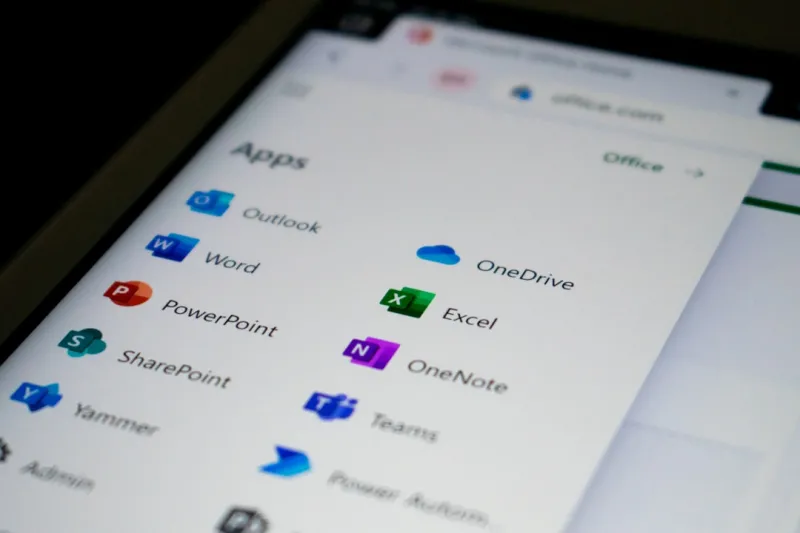
Microsoft Office has become more than a suite of productivity apps; it’s the digital nervous system of modern workspaces. As someone who lives at the intersection of tech troubleshooting and day‑to‑day business demands, I’ve watched Office transform from static documents into a living, collaborative ecosystem that adapts to the speed of our projects. In 2026, the expectation isn’t just that Word, Excel, and PowerPoint can open a file—it’s that they anticipate our needs, suggest improvements, and keep us synced across devices without missing a beat. This shift has turned ordinary office workers into de‑facto power users, and the tools we choose to master can make or break a quarter’s results. In this post, I’ll walk you through the most impactful trends, hidden shortcuts, and strategic integrations that can elevate your Office experience from “just getting the job done” to “leading the pack.”
AI‑Powered Assistance Is No Longer a Nice‑to‑Have
One of the biggest game‑changers in the Office suite this year is the deep integration of AI, especially the Copilot assistants that now sit inside Word, Excel, and PowerPoint. These assistants can draft a professional proposal in seconds, generate data visualizations from raw tables, and even suggest slide layouts that match your brand’s tone. What used to take an hour of formatting and rewriting can now be accomplished with a single prompt, freeing you to focus on strategy rather than execution. The AI doesn’t just work in isolation; it pulls contextual data from Teams chats, SharePoint libraries, and Outlook calendars to ensure every document is up‑to‑date. For power users, learning the right prompts and refining the output becomes a skill set in itself—one that separates the proactive from the reactive. By embracing these AI tools, you’re essentially adding a virtual teammate that learns your style and adapts in real time.
Shortcut Mastery and System Tweaks
Even with AI on board, the old‑school shortcuts still hold massive value. Knowing how to jump between Excel sheets with Ctrl + Page Down, or instantly open the “Tell Me” search in Word with Alt + Q, can shave seconds off every task—seconds that add up to hours over a month. Beyond built‑in shortcuts, customizing the Quick Access Toolbar and Ribbon lets you place your most‑used commands front and center, eliminating endless clicks. Pair this with a few Windows power tips—like setting up virtual desktops for separate projects or leveraging PowerToys for window snapping—and you create a workflow that feels almost instinctual. The key is to treat your OS and Office suite as a single, cohesive platform, rather than a collection of disconnected tools. When you streamline the hand‑off between the two, you unlock a flow state that makes complex reporting or multi‑departmental collaboration feel effortless.
Collaboration That Moves at the Speed of Thought
The integration between Office apps and Microsoft Teams has reached a level of fluidity that would have seemed sci‑fi a few years ago. Real‑time co‑authoring isn’t limited to a single document; you can now embed a live Excel sheet inside a Teams channel, allowing teammates to adjust numbers while you discuss strategy on a video call. SharePoint’s version history ensures that every change is tracked, while OneDrive’s sync engine guarantees offline access with automatic conflict resolution. This tight coupling means you can start a brainstorming session in Teams, switch to PowerPoint to sketch out a deck, and have those slides instantly appear in a shared channel for feedback—all without leaving the conversation. For organizations that prioritize rapid iteration, this seamless collaboration eliminates the bottlenecks that once plagued hand‑offs between departments.
Security, Compliance, and the Encryption Playbook
As Office becomes more interconnected, the attack surface expands, making security a top priority. Microsoft’s Information Rights Management (IRM) now works directly within Word and Excel, allowing you to set view‑only, edit‑only, or expiration policies on a per‑document basis. Coupled with Conditional Access policies that verify device health before granting access, you can enforce a zero‑trust model without sacrificing convenience. For those handling sensitive data, the encryption playbook offers a step‑by‑step approach to encrypting files at rest and in transit, ensuring compliance with regulations like GDPR and HIPAA. Understanding these built‑in protections, and configuring them correctly, turns Office from a potential liability into a fortified hub for your organization’s most valuable information.
Advanced Excel: From Data to Insight
Excel’s evolution into a full‑blown analytics engine is perhaps its most under‑leveraged asset. Power Query lets you pull data from dozens of sources—SQL databases, web APIs, even JSON files—clean it, and load it into a workbook with a single click. Power Pivot adds a data model layer where you can create relationships across tables, enabling complex calculations without cumbersome formulas. When you combine these with the AI‑driven insights that surface anomalies or suggest trends, you’re essentially getting a data science assistant inside a spreadsheet. Embracing a power‑user mindset means treating Excel not just as a number‑crunching tool, but as an interactive dashboard that can drive business decisions in real time. Master these features, and you’ll find yourself answering executive questions before they’re even asked.
Accessibility and Inclusive Design in Office
In 2026, accessibility isn’t an afterthought—it’s baked into the core of Office design. Features like the Immersive Reader in Word, which can read text aloud while highlighting sentences, and the live captions in PowerPoint presentations, make content consumable for a wider audience. Moreover, the Accessibility Checker now offers actionable suggestions that go beyond color contrast, flagging complex language and offering simpler alternatives. By leveraging these tools, you not only comply with legal standards but also foster a culture where every team member can contribute fully. When documents are universally accessible, collaboration improves, and the overall quality of output rises—benefiting both the creator and the end‑user.
The Road Ahead: Office Across Devices and Platforms
Looking forward, Office’s cross‑platform strategy is set to blur the lines between desktop, web, and mobile experiences. The latest builds of Office for Windows are optimized for the new Windows 12 architecture, taking advantage of faster GPU rendering for smoother animations in PowerPoint and quicker calculation speeds in Excel. Meanwhile, the web versions have caught up to many desktop features, allowing you to edit complex formulas or design high‑impact slides from any browser. On tablets, the touch‑optimized ribbon and stylus support turn note‑taking into a seamless part of the workflow. This omnipresent availability ensures that whether you’re in a conference room, on a train, or working from home, your Office environment remains consistent, powerful, and ready for whatever task lands on your desk.
Putting It All Together: Your Personal Office Playbook
To truly harness the power of Microsoft Office, you need a personal playbook that blends AI assistance, shortcut mastery, secure collaboration, and advanced analytics. Start by mapping out the most frequent tasks in each app, then assign a shortcut or AI prompt to each one. Layer in security settings—apply IRM policies to sensitive files and follow the encryption guidelines from the playbook. Finally, schedule a weekly “Office Optimization” session where you review new features, experiment with Power Query or Power Pivot, and adjust your workflow based on what’s working. By treating Office as a living system you continuously refine, you’ll stay ahead of the curve and keep your productivity engine humming at peak performance. Ready to dive deeper? Check out our other power‑user guides for hardware, networking, and OS tricks that complement your Office mastery.