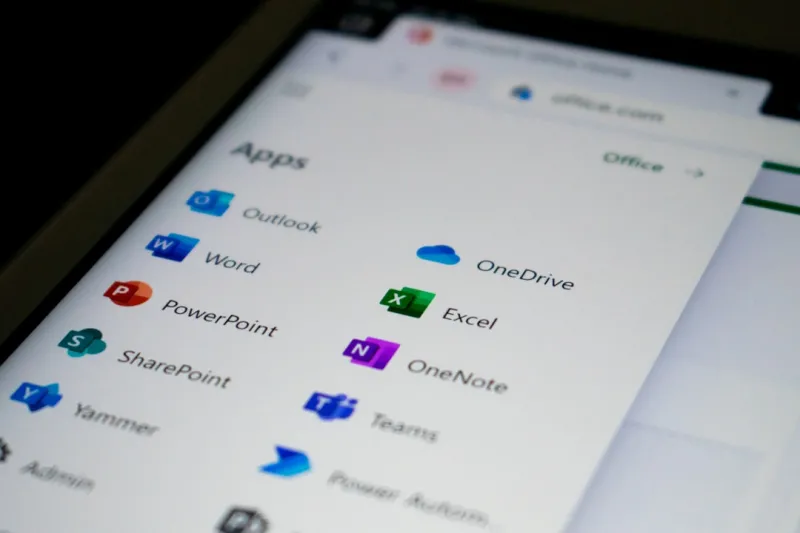
When I first opened a fresh copy of Microsoft Office back in the early 2010s, I felt like I’d been handed a Swiss‑army knife for the digital age. Fast‑forward to 2026, and that metaphor still holds, but the knife has been upgraded with AI‑powered blades, cloud‑sync hinges, and a whole new set of accessories. As a self‑identified power user, I’ve watched the suite evolve from a static desktop bundle into a living, breathing ecosystem that anticipates my workflow before I even think about it. The latest AI co‑pilot, real‑time collaboration across Teams and OneDrive, and the seamless integration of data types in Excel have turned Office from a simple productivity tool into a strategic advantage. In this post, I’ll walk you through the features that matter most to power users, share some hidden shortcuts that keep my day running like clockwork, and explain why mastering Office today is more crucial than ever for anyone who wants to stay ahead in a hyper‑connected workplace.
Why Power Users Can’t Ignore the Office Suite Anymore
Power users have always been the early adopters who push software beyond its advertised limits, and Microsoft Office is no exception. The suite now includes AI assistants that can draft a report, generate complex formulas, or even suggest design tweaks in PowerPoint—all without leaving the app. This isn’t just about convenience; it’s about reclaiming time that would otherwise be wasted on repetitive tasks. In 2026, organizations are measuring success in milliseconds of latency and the ability to pivot data instantly, and the Office suite provides the infrastructure to do just that. The deep integration with Microsoft 365 cloud services means that a document you start on your laptop is instantly available on your tablet, phone, or even your smart glass. For a power user like myself, this translates into a fluid workflow where I can jump from a brainstorming session in Teams to polishing a financial model in Excel without missing a beat. The strategic edge comes from knowing how to harness these capabilities, not just using them at face value.
Unlocking Word’s AI‑Driven Editing Engine
Word’s classic reputation as a “word processor” is now a shadow of its former self. The AI‑powered editor can automatically suggest tone adjustments, detect potential bias, and even recommend citations from reputable sources—all in real time. One of my favorite hidden gems is the “Researcher” pane, which pulls scholarly articles, images, and data straight into the document, letting you stay focused on the narrative. For power users who need to churn out reports quickly, the “Style Inspector” can enforce corporate branding guidelines with a single click. If you’re looking for a deeper dive into leveraging these tools, check out Mastering Microsoft Office. By mastering shortcuts like Ctrl+Shift+F to open the advanced font dialog or using the “Reveal Formatting” pane, you can troubleshoot layout issues that would otherwise take minutes to solve. The key is to treat Word as a dynamic canvas, not just a static page.
Excel’s Dynamic Arrays and AI Data Insights
Excel remains the undisputed king of data analysis, but the 2026 edition feels like a whole new beast. Dynamic arrays such as FILTER, SORT, and UNIQUE have turned complex spreadsheet formulas into elegant, readable expressions. What truly sets the current version apart is the AI “Ideas” pane, which can spot trends, suggest pivot tables, and even generate visualizations based on raw data. I often start a raw dump of sales figures and let the AI suggest a waterfall chart, saving me from the manual setup of axes and series. For power users who demand precision, the “Data Types” feature now includes custom connectors to third‑party APIs, letting you enrich a column with real‑time stock prices or weather data. Dive deeper with Unlock the Full Power of Microsoft Office to see how I automate monthly reporting using Power Query and Power Automate, turning a weekly grind into a one‑click operation.
PowerPoint’s AI Coach and Design Wizardry
If you’ve ever struggled with slide design, the new AI Coach in PowerPoint is a game‑changer. It provides real‑time feedback on slide layout, color contrast, and even speaker pacing, ensuring you stay on brand and on point. The “Design Ideas” engine can instantly reformat a bland bullet list into a visually appealing graphic, pulling from a library of templates that adapt to your corporate style guide. For a power user, the hidden “Slide Master” shortcuts—like pressing Alt+Shift+F10 to open the master view—allow you to enforce consistency across an entire deck with a single edit. I also leverage the “Presenter Coach” to rehearse my delivery; it flags filler words, monitors your speech rate, and even suggests where to insert a compelling anecdote. By mastering these AI features, you can shave hours off the deck‑building process while delivering a polished, professional presentation every time.
Outlook’s Intelligent Inbox Management
Outlook’s evolution from a simple email client to a full‑featured collaboration hub is perhaps the most underrated transformation in the suite. The Focused Inbox now uses machine learning to prioritize messages based on your interaction patterns, while the “Search” bar understands natural language—type “emails from Sarah last week about budget” and watch it pull the exact threads. Power users can take advantage of rules that move messages to Teams channels automatically, creating a seamless workflow between email and chat. The “Play My Emails” feature reads aloud messages, which is a lifesaver when I’m on the go. Security is also front and center; the integrated “Microsoft Defender for Office 365” scans attachments for ransomware before they reach your inbox. By mastering quick‑reply templates and leveraging the “Calendar” integration for meeting insights, you turn Outlook into a command center that keeps you both organized and protected.
OneNote and Teams: The Collaborative Knowledge Hub
OneNote has matured from a digital notebook into a real‑time collaborative space when paired with Teams. You can embed live Excel tables, PowerPoint slides, and even interactive Power Apps directly into a OneNote page, making it the ultimate reference hub for project teams. The “Ink to Text” conversion is now powered by AI, turning handwritten sketches into searchable, editable text with impressive accuracy. In 2026, I often use OneNote to capture meeting minutes in Teams, then tag sections with @mentions that automatically notify the relevant stakeholders. The ability to create “Page Templates” means every project starts with a consistent structure—goals, timelines, risk registers—all pre‑filled and ready to populate. This synergy eliminates the need for multiple documents floating around, ensuring that knowledge stays centralized and accessible.
The Future of Office: AI Copilot and Security First
Looking ahead, the most exciting development is the AI Copilot that sits across Word, Excel, PowerPoint, and Outlook, acting like a personal assistant that can draft, analyze, and even negotiate on your behalf. It can generate a first‑draft contract in Word based on a set of clauses you provide, or predict revenue trends in Excel using built‑in predictive models. However, with great power comes great responsibility. The integration of AI also raises security concerns, so Microsoft has bolstered its “Zero Trust” framework, requiring multi‑factor authentication and continuous risk assessment for every document edit. Power users must stay vigilant, using tools like “Sensitivity Labels” to protect confidential data and ensuring that every AI suggestion is reviewed before final deployment. Embracing these advances while maintaining a security‑first mindset will define the next generation of productivity leaders.
Putting It All Together: A Power‑User Action Plan
To truly harness the full potential of Microsoft Office in 2026, I recommend a three‑step action plan: First, audit your current workflow and identify repetitive tasks that can be automated with AI or Power Automate. Second, invest time each week to explore a new feature—whether it’s the “Ideas” pane in Excel or the “Design Ideas” in PowerPoint—so you stay ahead of the curve. Finally, reinforce security by enabling “Microsoft Defender for Office 365,” applying sensitivity labels, and regularly reviewing audit logs. By following this roadmap, you’ll not only boost your own efficiency but also set a benchmark for your team. Remember, the tools are only as good as the skill set behind them; keep learning, keep experimenting, and let the suite work for you, not the other way around.