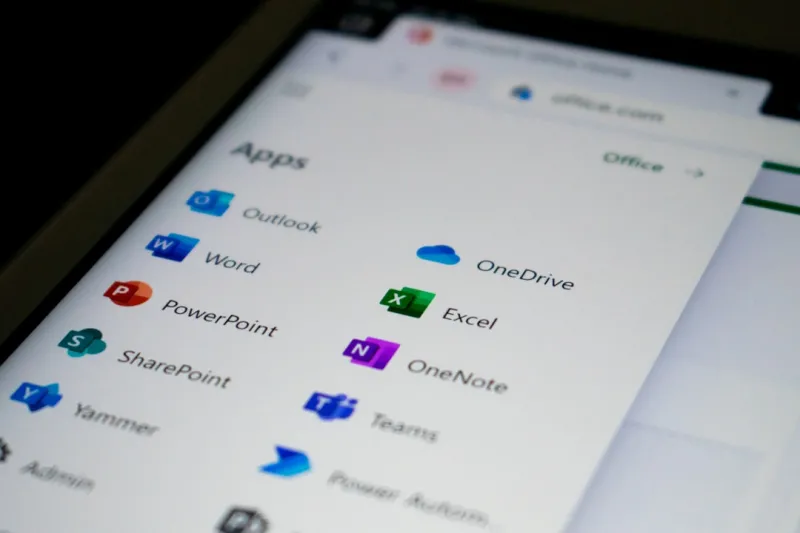
When I first opened Word in the early 2000s, I never imagined I’d be typing this same line from a dual‑screen setup powered by an AI‑ready rig. Fast forward to 2026, and Microsoft Office isn’t just a suite of static applications—it’s a living, breathing ecosystem that adapts to the way we work, play, and create. As a self‑confessed power user, I’ve spent countless nights tweaking settings, testing add‑ins, and pushing the limits of what Office can do on a high‑performance machine. What I’ve learned is that the secret sauce isn’t hidden in the cloud; it’s in the intentional marriage of AI copilots, real‑time collaboration, and granular security controls. In this post, I’ll walk you through the most impactful features that have reshaped my workflow, share the shortcuts that shave minutes off every task, and reveal how you can future‑proof your Office experience without needing a Ph.D. in IT. Grab a coffee, fire up Excel, and let’s dive into the modern Office toolbox that keeps my productivity engine humming.
AI Copilots Are No Longer a Fancy Add‑On
One of the biggest game‑changers this year is the seamless integration of AI copilots across Word, Excel, and PowerPoint. Instead of a separate “Chat” pane, the copilots sit right inside the ribbon, offering context‑aware suggestions as you type, crunch numbers, or design slides. In Word, the AI can draft a full proposal based on a bullet list you provide, while in Excel it auto‑generates formulas that would normally take a seasoned analyst minutes to conjure. The real magic is the “Ask the Data” feature in Excel, which lets you type natural language queries like “What was the YoY growth for Q3?” and instantly returns a chart. For a power user like me, these capabilities cut down on repetitive tasks and free mental bandwidth for higher‑order analysis. If you want to explore the broader AI landscape that powers this experience, check out Unlocking AI Power: Building a Future‑Ready Workstation for 2026 for the hardware side of things.
Collaboration Has Evolved into a Real‑Time Command Center
Remember the days when sharing a Word document meant emailing a .docx file and praying no one overwrote your changes? Those days are gone. Office 365’s co‑authoring now feels like a live‑editing session in Google Docs, but with the depth and feature set of the desktop apps. You can see exactly who is typing where, chat in the side panel, and even assign tasks directly from the document. In Teams, Office files open instantly in the native app, preserving macros and add‑ins that would otherwise break in a browser. For project managers, the new “Version History Dashboard” lets you roll back to any point in a file’s lifecycle with a single click—critical when a macro goes rogue. This fluid collaboration extends to PowerPoint, where multiple presenters can edit slides simultaneously, and the AI suggests design refinements that keep your decks looking polished without a designer’s touch.
Security and Compliance Are Built In, Not Bolted On
In 2026, data breaches are no longer “if” but “when,” which makes Microsoft’s Zero‑Trust approach a non‑negotiable. Office apps now enforce sensitivity labels at the document level, automatically encrypting files based on content. The integration with Microsoft Purview means you can set retention policies that automatically archive or delete files after a defined period, keeping you compliant with regulations like GDPR and CCPA without manual effort. For power users who handle confidential spreadsheets, the “Protected View” now offers a granular permission matrix, letting you grant view‑only access to external partners while still allowing internal collaborators to edit. The built‑in “Secure Score” dashboard gives you a real‑time health check, highlighting misconfigurations such as unsecured macros or weak sharing links. Staying on top of these settings is essential, especially if you’ve already read Fortify Your Power‑User PC: Modern Security Strategies for 2026 and want to align your workstation with Office’s security posture.
Customization Through Add‑Ins and the Power Platform
Office’s extensibility has never been more robust. The new “Add‑In Store” is curated for performance, meaning you can safely install tools that automate data pulls from APIs, generate invoices in Word, or sync Outlook calendars with third‑party project boards. Meanwhile, Power Automate lets you create “flows” that trigger actions across the suite—think: when an email lands in your inbox with the subject “Invoice,” a Flow extracts the PDF, drops it into a SharePoint folder, and logs the amount in an Excel ledger. For those who love a low‑code environment, Power Apps can embed directly into Teams, turning a simple spreadsheet into a full‑featured app without writing a line of code. I personally use a custom add‑in that pulls real‑time stock data into Excel, updating every five minutes—a boon for my side‑hustle. The key is to keep the add‑in ecosystem lean; each extra plugin adds overhead, so audit them quarterly and prune anything you haven’t used in the last 30 days.
Performance Tweaks That Make Office Feel Lightning Fast
Even the most powerful PC can feel sluggish if Office isn’t optimized. Start by disabling unnecessary startup add‑ins—go to File → Options → Add‑Ins, manage COM Add‑ins, and turn off anything you don’t use daily. Next, enable the “Hardware Graphics Acceleration” setting in PowerPoint and Outlook; this offloads rendering to your GPU, which is especially noticeable when working with high‑resolution images or video embeds. For Excel power users, the “Calculate Workbook Automatically” mode can be a performance drain on massive models; switch to manual calculation and press F9 only when you need fresh results. Don’t forget to clear the Office cache regularly—old temporary files can bloat the local storage and slow down document opening. A quick “Repair” from the Programs & Features panel can also resolve hidden corruption that drags down responsiveness. These tweaks keep the suite responsive, even when you’re juggling dozens of tabs and a heavy multitasking workflow.
Cross‑Device Continuity Keeps You in the Flow
Office 2026 embraces the hybrid work model with true continuity across Windows, macOS, iOS, and Android. Start a PowerPoint deck on your desktop, add a few slides, then pull up the same file on your iPad during a client meeting and annotate in real time—your changes sync instantly thanks to OneDrive’s near‑real‑time sync engine. The “Focused Inbox” in Outlook now leverages AI to prioritize emails based on your past interaction patterns, and the same priority view appears on your phone, ensuring you never miss a critical message. For those who love the tactile feel of a keyboard, Microsoft’s “Surface Keyboard” shortcuts map directly to Office commands, letting you switch between apps without ever touching the mouse. This ecosystem of devices means you can capture inspiration wherever it strikes, then refine it later on a higher‑performance machine without losing any context.
Staying Ahead with the Power‑User Playbook
The rapid cadence of updates means you can’t afford to be complacent. Microsoft rolls out feature patches every month, and many of them have direct implications for productivity. The Power‑User Playbook: Critical 2026 Updates You Can’t Ignore is a must‑read for anyone who wants to stay on the bleeding edge without breaking their workflow. It highlights the latest AI enhancements, new security baselines, and hidden shortcuts that most users overlook. One tip that saved me hours last quarter was the “Quick Access Toolbar” customization—by adding the “Paste Values” command as a single click, I eliminated the need to navigate the ribbon for a simple but frequent task. Keep an eye on the Office Insider channel; it offers a preview of upcoming features, letting you test and adapt before the broader rollout. This proactive approach ensures your Office environment remains a productivity powerhouse, not a liability.
Practical Tips and Resources for the Modern Power User
To wrap things up, here are five actionable steps you can implement today: 1) Enable “AutoSave” on OneDrive for every document to prevent data loss; 2) Create a “Template Library” in SharePoint for recurring reports, complete with pre‑filled formulas and branding; 3) Set up a daily “Office Health Check” using the built‑in “Feedback Hub” to report bugs and request features; 4) Learn the top ten keyboard shortcuts for each app—these range from Ctrl + Shift + L to toggle filters in Excel, to Alt + Q to launch the “Tell Me” search box in Word; and 5) Join the Microsoft Tech Community forums, where power users share scripts and macros that can automate mundane tasks. By consistently refining your setup, you’ll keep the Office suite operating at peak efficiency, turning every project into a showcase of what a well‑tuned productivity stack can achieve.