When I first built my own workstation back in the early 2020s, I thought throwing the newest CPU and a flashy GPU together would guarantee a timeless machine. Fast forward to 2026, and the reality is far more nuanced. Modern hardware isn’t just about raw horsepower; it’s about synergy, power efficiency, and how each component talks to the others over the latest interfaces. The shift to DDR5‑5600 and beyond, PCIe 5.0 lanes, and the emergence of hybrid storage solutions means that the bottlenecks we used to worry about have moved. A processor can idle at a fraction of its TDP thanks to smarter power states, but if the motherboard’s VRM design can’t keep up under sustained loads, you’ll see throttling that feels like a step back. That’s why I spend as much time reading data sheets and firmware release notes as I do benchmarking. Understanding the underlying architecture lets you avoid costly upgrades down the line and ensures you get the most out of each silicon generation you invest in.
Choosing the Right Memory for a Balanced System
Memory has become the silent workhorse of every power‑user build. In 2026, DDR5 modules with 48‑GB capacities are mainstream, and the latency numbers have finally started to make sense after years of being sidelined by sheer bandwidth claims. The key is matching speed, latency, and capacity to your primary workloads—whether you’re rendering 4K video, training AI models, or juggling dozens of virtual machines. I’ve learned the hard way that a 64‑GB kit at 6000 MHz can actually underperform a well‑timed 32‑GB kit at 5600 MHz if your timings are off, especially when you’re pushing the limits of the memory controller. That’s why I always cross‑reference the board’s Qualified Vendor List (QVL) and run a quick RAM troubleshooting playbook before finalizing the purchase. A disciplined approach to memory selection not only boosts real‑world performance but also extends the life of your system by reducing stress on the memory controller, keeping those dreaded “random reboots” at bay.
Motherboard Architecture: The Foundation of Future‑Proofing
The motherboard is more than a mere circuit board; it’s the central nervous system of your rig. In 2026, the conversation has shifted from “how many USB ports?” to “how does the board handle power delivery, firmware updates, and integrated security?”. Modern boards now ship with advanced VRM phases that can sustain 150 W+ on a single socket, and many feature onboard AI‑driven power management that adapts to workload patterns on the fly. I always dive deep into the firmware roadmap of a board before I buy—manufacturers that commit to regular BIOS updates are less likely to leave you stranded when new CPUs drop. For those who love tinkering, features like PCIe 5.0 bifurcation and support for Thunderbolt 4 can be game‑changers. Don’t overlook the importance of robust networking options either; 10 GbE is becoming a baseline for high‑throughput environments. A well‑chosen motherboard can be the difference between a system that feels fresh for five years and one that needs a complete overhaul after a couple of releases.
Graphics Power: More Than Just Pixels
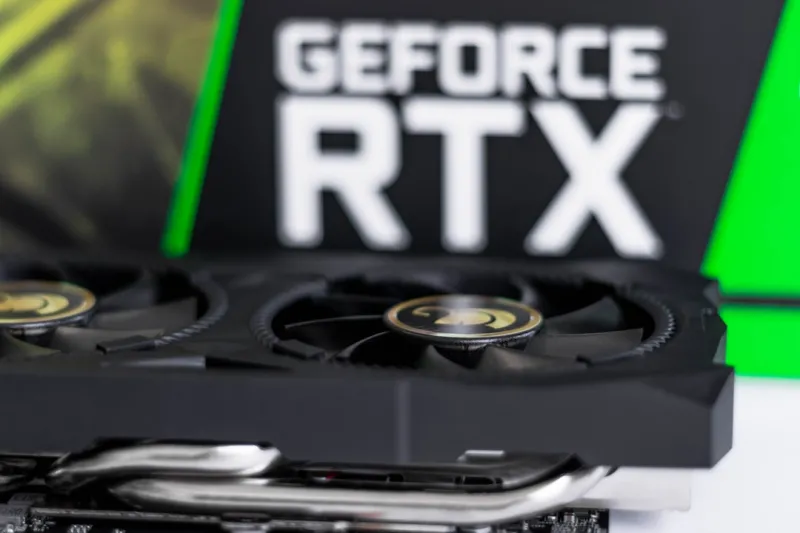
Graphics cards in 2026 have transcended the traditional gaming niche and now serve as general‑purpose compute engines. Whether you’re running real‑time ray tracing, deep learning inference, or GPU‑accelerated video encoding, the line between “GPU” and “accelerator” has blurred. The latest RTX 5000 series, for instance, offers dedicated AI tensor cores that can shave minutes off rendering pipelines, but only if your software stack is optimized to leverage them. I’ve seen colleagues waste money on top‑tier cards only to discover their primary applications never tapped the extra cores. The smart move is to audit your workflow first—list the APIs you rely on, like CUDA, DirectX 12 Ultimate, or Vulkan, and match those to the card’s strengths. Pairing a powerful GPU with a motherboard that supports PCIe 5.0 x16 ensures you’re not throttling bandwidth, especially when you run multi‑GPU configurations for AI training. And, as always, keep a GPU troubleshooting playbook on hand; it’s an indispensable safety net when drivers misbehave or thermal limits bite.
Storage Strategies: Speed, Capacity, and Reliability
Even in a world obsessed with cloud services, local storage remains a critical component for power users. The sweet spot in 2026 is a hybrid approach: a PCIe 4.0 NVMe SSD for the operating system and frequently accessed applications, paired with a high‑capacity SATA‑based drive for archival data. While the headline‑grabbing 8 TB NVMe drives are impressive, they often come with a higher price per gigabyte and a marginal gain in sequential read speeds compared to a well‑tuned SATA RAID array. I favor a 2 TB Gen 4 SSD for its sub‑100 µs latency, which dramatically reduces compile times and boosts database queries. For massive media libraries or AI datasets, I still trust the reliability and cost‑effectiveness of spinning platters, especially when paired with modern error‑correcting firmware. Don’t forget to enable TRIM and set up appropriate caching policies; a misconfigured storage stack can erase the performance gains you worked so hard to achieve. Ultimately, a balanced storage hierarchy gives you the responsiveness you need without breaking the bank.
Power Delivery and Cooling: The Unsung Heroes
Power supplies and cooling solutions are often the afterthoughts in a spec sheet, but they’re the unsung heroes that keep a high‑performance system humming. In 2026, the push for higher efficiency has led to an influx of 80+ Platinum and even Titanium‑rated PSUs, which not only cut electricity costs but also produce less heat—a crucial factor when you’re squeezing every ounce of performance from your components. I always calculate my system’s total power draw with a 30% headroom buffer, then select a unit that exceeds that by at least 50 W to accommodate future upgrades. On the cooling front, liquid cooling loops have become more modular, with fittings that support both CPU and GPU blocks, allowing a single loop to manage heat across multiple high‑TDP components. Proper airflow design—intake at the front, exhaust at the rear and top—combined with fan curves tuned to your workload profile can prevent thermal throttling during long rendering sessions. Remember, a cooler system not only lasts longer but also maintains higher boost clocks, delivering real‑world performance gains that you’ll feel in every task.
Security at the Hardware Level
Security isn’t just a software concern; hardware-level defenses have become a baseline expectation for power users in 2026. Modern CPUs ship with built‑in mitigations against speculative execution attacks, and many motherboards now include TPM 2.0 modules that store encryption keys in a tamper‑resistant enclave. I make it a habit to enable Secure Boot, activate hardware‑based virtualization extensions, and regularly update firmware to patch newly discovered vulnerabilities. For those handling sensitive data, combining a hardware‑encrypted SSD with a BIOS password creates a layered defense that’s hard for attackers to bypass. The Modern Security Strategies guide walks you through configuring these features without compromising performance. By treating security as a hardware design principle rather than an after‑thought, you protect not only your data but also the integrity of your entire computing ecosystem.
Future‑Proofing: Planning for the Next Five Years
Future‑proofing isn’t about buying the most expensive parts today; it’s about strategic foresight. In 2026, the trends point toward increasing integration—CPU‑GPU combos, on‑die AI accelerators, and unified memory architectures—so a modular design that can adapt to these shifts is vital. I prioritize platforms that support next‑gen interconnects like PCIe 5.0 and DDR5, ensuring that when a new GPU or memory module lands on the market, my board can accommodate it without a full rebuild. Additionally, keeping spare drive bays, extra power connectors, and a robust case cooling system gives you the flexibility to add new components as they become relevant. A well‑documented cable management scheme also speeds up future upgrades, reducing the risk of accidental damage. By aligning your build with these forward‑looking standards, you’ll find that your system remains competitive and capable, even as software demands evolve and new performance benchmarks emerge.
Putting It All Together: A Power‑User’s Checklist
After dissecting each component, I always consolidate my insights into a concise checklist that I revisit before any major purchase. First, define the primary workloads—gaming, AI, video production—and map them to the required hardware tiers. Next, verify compatibility across the board: CPU socket, RAM speed, PCIe lanes, and power delivery. Then, confirm that the motherboard’s firmware roadmap aligns with upcoming CPU releases, and ensure the PSU meets efficiency and headroom requirements. Finally, run a quick diagnostics suite—memory stress tests, GPU benchmarks, and storage speed checks—to catch any early‑stage issues. By following this systematic approach, you eliminate guesswork and build a machine that not only meets today’s demands but also gracefully adapts to tomorrow’s challenges. Remember, the goal isn’t just to assemble a powerful rig; it’s to craft a resilient platform that empowers your creativity, productivity, and curiosity for years to come.