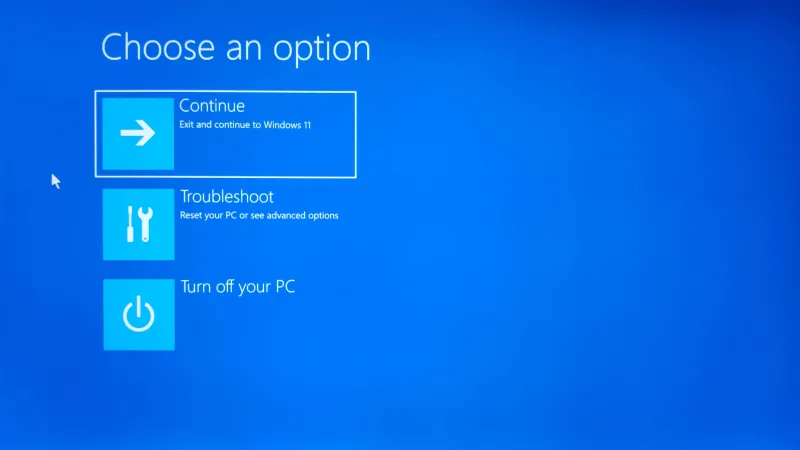
When my workstation flashes that dreaded cobalt‑blue glare, I hear a familiar, almost nostalgic hum. It’s the same sound I grew up hearing in early‑2000s computer labs, but today the stakes are higher—my development environment, 4K monitors, and a GPU‑heavy rendering pipeline all hang on a single kernel’s sanity. In 2026, the Blue Screen of Death (BSOD) is no longer a relic of dial‑up days; it’s a high‑visibility alert that something in the deep stack—hardware, firmware, or software—has crossed a critical threshold. As a power user who lives between the BIOS and the cloud, I treat each BSOD as a puzzle, a chance to strip back layers of abstraction and get to the root cause. In this post, I’ll walk you through the most common triggers, share a diagnostic workflow that’s saved me countless hours, and reveal a few proactive habits that keep my rig humming without that ominous blue flash. Whether you’re a seasoned builder or a newcomer who’s just seen the blue light for the first time, you’ll find actionable steps that transform panic into precision.
Why the Blue Screen Still Matters to Power Users in 2026
The blue screen endures because modern operating systems still rely on a hard stop when the kernel detects an unrecoverable error. In 2026, with hyper‑threaded CPUs and PCIe 5.0 lanes, the sheer amount of data moving through the system magnifies any single point of failure. A misbehaving driver can corrupt memory in a fraction of a second, prompting Windows to display a stop code that, if decoded, reveals a wealth of diagnostic data. This is why I keep the Why the Blue Screen Still Matters to Power Users in 2026 article bookmarked—it explains the OS‑level rationale that underpins the BSOD and why it’s still a critical safety net for power users who push hardware to its limits. Understanding the why helps us respect the stop, rather than dismiss it as a mere inconvenience.
Common Triggers: Drivers, Firmware, and Updates
The most frequent culprits behind a BSOD are outdated or incompatible drivers, corrupted firmware, and aggressive Windows updates that don’t play nicely with legacy hardware. In my own builds, I’ve seen a seemingly innocuous network driver cause a “SYSTEM_THREAD_EXCEPTION_NOT_HANDLED” error after a cumulative update. Similarly, a BIOS version that didn’t fully support a new PCIe device can trigger “INACCESSIBLE_BOOT_DEVICE” as the system struggles to handshake with the storage controller. The lesson? Treat each update as a potential change in the system’s equilibrium. Before you click “Install Now,” check the manufacturer’s release notes, verify compatibility with your existing stack, and, if possible, create a system restore point. A disciplined update strategy can dramatically reduce the frequency of those midnight blue alerts.
Diagnosing the Crash: From Event Viewer to Memory Dumps
When the blue screen appears, Windows automatically creates a minidump file—usually a few megabytes of raw memory data that captures the state of the system at the moment of failure. My go‑to tool is WinDbg, which lets me load the dump and examine the call stack, driver modules, and faulting address. The first step, however, is to open the Event Viewer and locate the critical error under “System” logs; the Event ID often correlates with the stop code displayed on the BSOD. From there, I cross‑reference the driver version listed in the dump with the version installed on the machine. If they don’t match, it’s a strong indicator that a recent driver update introduced the instability. This systematic approach—log inspection, dump analysis, driver verification—forms the backbone of my troubleshooting routine, turning a cryptic blue flash into a traceable sequence of events.
When RAM Becomes the Rogue Element
Memory corruption is a classic BSOD trigger, and in a power‑user environment, the RAM is constantly stressed by virtual machines, large datasets, and real‑time rendering. Before I replace a stick of RAM, I run the built‑in Windows Memory Diagnostic or, better yet, MemTest86 for a thorough pass. If errors appear, it’s often a sign that a specific module is failing or that the timings are set too aggressively in the BIOS. In my experience, adjusting the voltage and relaxing the frequency back to the manufacturer’s specifications resolves many intermittent blue screens. For a deeper dive into RAM troubleshooting, see my companion guide How to Diagnose and Fix RAM Issues Like a Power User. Remember, a single faulty DIMM can masquerade as a driver issue, so never skip the memory test.
Hard Drive Health: The Silent BSOD Instigator
Even with SSDs boasting terabytes of endurance, wear and firmware bugs can still cause read/write errors that cascade into a system crash. I once experienced a “CRITICAL_PROCESS_DIED” stop code after a seemingly random file transfer hung for minutes. A quick check with CrystalDiskInfo revealed a high reallocated sector count on the drive’s SMART data. After cloning the OS to a fresh SSD and retiring the failing drive, the blue screens vanished. Hard drives, especially NVMe models, have their own firmware ecosystems that must be kept up‑to‑date. For power users looking to master storage reliability, I recommend reading Hard Drive Essentials Every Power User Should Know, which breaks down the metrics you should monitor and the steps to safely update firmware without data loss.
Motherboard and BIOS: The Unsung Guardians
The motherboard is the nervous system that ties CPU, RAM, storage, and peripherals together. A misconfigured BIOS—such as an incorrect voltage setting for the VRM or an outdated microcode—can cause subtle instability that only surfaces under heavy load, resulting in a “VIDEO_TDR_FAILURE” BSOD during GPU‑intensive tasks. In 2026, many motherboards ship with AI‑assisted auto‑overclocking, but I prefer to manually fine‑tune settings to maintain control. When I suspect a BIOS issue, I flash to the latest stable version from the vendor’s site and enable “Load Optimized Defaults” before re‑applying my custom settings. This practice has eliminated several cryptic blue screens in my rigs. For a broader view of motherboard selection and optimization, check out Unlocking the Power‑User Potential of Modern Motherboards.
Critical Updates: Acting Fast, Acting Smart
Microsoft’s monthly “Patch Tuesday” brings a slew of security and stability fixes, but not all updates are created equal. Some patches address kernel bugs that directly reduce BSOD frequency, while others unintentionally introduce regressions. In my workflow, I first review the official KB articles for each update, then test them in a sandbox VM that mirrors my primary hardware configuration. If the update touches core components like the storage stack or graphics driver, I schedule a brief maintenance window and take a full system image before proceeding. This disciplined approach ensures that I’m not caught off‑guard by a post‑update crash. For a concise checklist, see Critical Updates Power Users Must Act On Now, which outlines the steps to evaluate and deploy patches safely.
A Real‑World Tale: Taming the BSOD in a Live Stream
Last month, while broadcasting a live 4K game‑development session, my PC slammed into a blue screen mid‑render. The stop code read “DRIVER_POWER_STATE_FAILURE,” and the audience watched the blue hue for a tense 30 seconds before I cut the feed. I sprang into action, pulled the minidump, and discovered the culprit: an outdated USB‑C hub driver that conflicted with the new PCIe‑Gen5 GPU firmware. After rolling back the hub driver and updating the GPU firmware, the system stabilized. I later wrote about this exact scenario in Why Your PC Keeps Crashing to Blue: A Power‑User’s Guide to Taming the BSOD, emphasizing the importance of matching peripheral drivers with the latest hardware revisions. The key takeaway? Even a peripheral you barely use can become the Achilles’ heel of a high‑performance build.
Looking Ahead: AI‑Driven Diagnostics and Proactive Blue‑Screen Prevention
In 2026, AI is beginning to play a role in system stability. Tools like Windows’ built‑in “Repair” assistant now leverage machine‑learning models to predict which driver updates are likely to cause conflicts based on telemetry from millions of devices. For power users, integrating these predictive alerts into your workflow can pre‑empt many BSODs before they happen. I’ve started using a third‑party monitoring suite that correlates temperature spikes, voltage fluctuations, and driver telemetry to flag potential failure points. When an anomaly is detected, the software suggests a rollback or a firmware update, turning the reactive BSOD process into a proactive maintenance routine. Embracing these intelligent safeguards will keep your rig running smoother than ever, allowing you to focus on creation rather than crisis management.