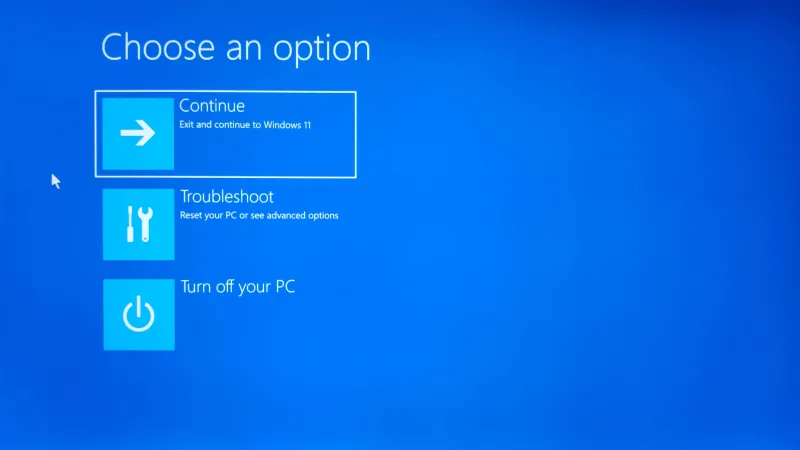
When my workstation flashed that infamous electric‑blue hue this spring, I felt a familiar mix of annoyance and curiosity. As a long‑time power‑user, I’ve learned that a Blue Screen of Death (BSOD) isn’t just a random glitch; it’s a diagnostic billboard screaming for attention. In 2026, the hardware landscape has exploded with high‑bandwidth DDR5 memory, PCIe 5.0 GPUs, and AI‑accelerated workloads, which means the stakes are higher when the OS decides to pull the emergency brake. I’ve spent countless evenings dissecting crash dumps, tweaking firmware, and rebuilding drivers—all while trying to keep my freelance projects on schedule. This post is a deep dive into why blue screens still haunt us, how to decode the cryptic error codes, and what proactive steps power‑users like us can take to keep the blue from ever appearing again.
The Modern BSOD: More Than Just a Panic Screen
The classic blue screen of the early 2000s was a blunt instrument—simple text, a stop code, and a cry for help. Today’s BSOD in Windows 11 and the latest server editions is a far more sophisticated error‑reporting system, complete with QR codes that link to Microsoft’s knowledge base, a full memory dump, and a detailed stack trace. In 2026, the OS leverages advanced kernel‑mode watchdogs that monitor everything from power‑state transitions to AI inference pipelines. When something goes awry, the kernel writes a STOP code that reflects not only a driver fault but also potential firmware or hardware misconfiguration. Understanding this evolution is crucial; the more context the OS provides, the more precise your troubleshooting can be. This isn’t just about “reboot and hope”—it’s about reading the system’s language and acting on it before the next critical failure.
Driver Conflicts and Firmware Mismatches: The Silent Culprits
One of the most common triggers for a BSOD in 2026 is a driver‑firmware mismatch. With vendors releasing updates on a near‑daily cadence to support new AI workloads, a single outdated GPU driver can clash with a freshly rolled‑out BIOS that changes memory timing or power delivery parameters. The result? The kernel detects an illegal memory access and halts execution to protect data integrity. I’ve seen this happen after installing a beta driver for a next‑gen RTX‑5000 series card, only to discover that the motherboard’s latest UEFI patch introduced a subtle change to the PCIe lane arbitration. The fix often involves rolling back the driver, applying a hotfix from the hardware vendor, or sometimes even flashing the BIOS to a prior stable version. Keeping a meticulous log of driver versions alongside firmware releases can save you hours of frustration when the blue screen rears its head.
Memory Failures: When RAM Becomes the Weak Link
High‑speed DDR5 kits are a joy to work with, but they also expose the system to subtle timing errors that can manifest as BSODs. A single faulty DIMM can cause sporadic STOP codes like 0x0000001A (MEMORY_MANAGEMENT) or 0x0000007B (INACCESSIBLE_BOOT_DEVICE). In my experience, these errors often surface after a BIOS tweak that overclocks the memory beyond the manufacturer’s JEDEC specifications. The solution is two‑fold: first, run a thorough memory diagnostic using tools like Windows Memory Diagnostic or MemTest86; second, validate the memory configuration in the BIOS—disable XMP profiles temporarily and set conservative timings. For a deeper dive into why memory fails and how to fix it fast, check out Why Your PC’s Memory Fails and How to Fix It Fast. Addressing RAM issues early prevents cascading failures that can corrupt the file system and trigger repeated blue screens.
Storage Stability: Hard Drives Still Play a Critical Role
Even as NVMe SSDs dominate the market, traditional hard drives remain a backbone for massive, affordable storage—especially for archival media and backup libraries. Unfortunately, spinning platters are prone to mechanical wear, bad sectors, and firmware quirks that can cause read/write errors, leading the OS to generate STOP codes such as 0x00000050 (PAGE_FAULT_IN_NONPAGED_AREA). I’ve encountered scenarios where a seemingly healthy 4 TB HDD suddenly caused repeated BSODs after a power surge damaged its controller. The fix involved cloning the drive with a sector‑by‑sector tool, running CHKDSK with the /R flag, and finally replacing the drive with a newer model that has updated firmware. For a comprehensive look at why hard drives remain a secret weapon for power‑users, see Hard Drives Still Rule: The Power‑User’s Guide to Massive, Affordable Storage. Maintaining a regular health check schedule for both SSDs and HDDs can dramatically reduce unexpected blue screens tied to storage failures.
Diagnostic Arsenal: From WinDbg to Event Viewer
When a BSOD strikes, the first thing you should do is capture the crash dump. Windows 11 now defaults to a small memory dump, but you can configure it to produce a full dump via System Properties → Advanced → Startup and Recovery. Once you have the dump, the go‑to tool for power‑users is WinDbg (part of the Windows SDK). Load the dump, run !analyze -v, and let the engine point you to the offending driver or module. Complement this with Event Viewer, which logs the exact timestamp and the “BugCheckCode” that can be cross‑referenced with Microsoft’s documentation. For quick, on‑the‑fly analysis, I also use the built‑in “BlueScreenView” utility to visualize minidumps and correlate them with recent driver installations. The combination of a detailed dump, event logs, and a systematic approach lets you move from guesswork to precise remediation in minutes rather than hours.
Step‑by‑Step Remediation: Turning Panic into Procedure
Here’s a repeatable workflow that has saved me countless nights: 1) Note the STOP code and any accompanying file names (e.g., nvlddmkm.sys for NVIDIA drivers). 2) Pull the latest stable driver from the vendor’s website—avoid beta builds unless you’re testing. 3) Check for recent Windows updates; sometimes a cumulative update introduces a regression, so rolling back the update can be a quick fix. 4) Run hardware diagnostics—memory, storage, and GPU stress tests—to rule out physical faults. 5) If the dump points to a third‑party driver, search the vendor’s forums for known issues; often a hotfix is already posted. 6) After applying fixes, reboot into Safe Mode and clear the driver cache with pnputil /enum‑drivers before reinstalling. 7) Finally, monitor the system for 24‑48 hours using Performance Monitor to ensure stability. Following this checklist transforms a chaotic blue screen into a manageable, repeatable incident response.
Preventive Habits: Adopt the Power‑User Mindset
Proactivity is the hallmark of a true power‑user. In 2026, the rapid cadence of OS patches means you can’t simply “set and forget.” Subscribe to the Microsoft Release Health RSS feed, and schedule a weekly “maintenance window” to apply driver updates, firmware patches, and critical OS releases. Additionally, enforce a strict version‑control policy for your drivers—store the previous working version in a local repository so you can roll back instantly. Pair this with a solid backup strategy that includes system image snapshots; tools like Macrium Reflect let you restore a known‑good state within minutes, eliminating the need to troubleshoot a corrupted OS after a blue screen. For a broader perspective on why a power‑user mindset is essential for modern operating systems, see Why Modern Operating Systems Demand a Power‑User Mindset. When you treat every update as a potential risk and mitigate it proactively, the blue screen becomes a rarity rather than a regular interruption.
Building a Resilient Machine: Hardware Choices That Matter
Choosing the right motherboard and component ecosystem can drastically reduce BSOD frequency. Look for boards that offer robust power delivery, dual BIOS, and extensive firmware diagnostics—features that let you revert to a known‑good configuration with a single button press. I recently upgraded to a model highlighted in Choosing the Perfect Motherboard for Power‑User Performance in 2026, and the built‑in hardware monitoring sensors have been invaluable for catching voltage spikes before they cause a crash. Pair this with a reputable PSU that delivers clean, stable power, and you’ll minimize the chance of random hardware‑induced blue screens. Also, consider a hybrid storage strategy: a high‑end NVMe drive for OS and applications, complemented by a large, reliable HDD for data and backups. This layout leverages the speed of SSDs while preserving the stability and endurance of traditional drives, creating a balanced platform that can handle intensive workloads without frequent kernel panics.
Final Thoughts: Turning Blue Screens Into Learning Opportunities
The blue screen isn’t just a nuisance; it’s a feedback loop that tells you exactly where the system is breaking down. By embracing a systematic diagnostic routine, staying current with driver and firmware updates, and building a hardware foundation that favors stability, you can transform each crash into a learning moment that strengthens your entire setup. Remember, the goal isn’t to eliminate every error—technology is inherently complex—but to reduce the downtime and frustration that come with it. Keep your logs tidy, your backups fresh, and your curiosity sharp, and you’ll find that the occasional BSOD becomes a rare, manageable event rather than a daily nightmare. Happy troubleshooting, and may your screens stay green.