Why 2026 Is the Year Hardware Enthusiasts Can’t Afford to Sit Still
In my ten‑year run tinkering with everything from vintage 486 rigs to today’s AI‑powered workstations, I’ve learned that the only constant in computer hardware is change—and the pace of that change has never been more exhilarating. 2026 brings a convergence of three forces: silicon that finally catches up with AI workloads, storage that feels instant even under massive datasets, and power‑efficiency tricks that let you push a high‑end rig without frying the house circuit. For most of us, the decision isn’t whether to upgrade, but which
upgrade will actually translate into real‑world productivity gains. That’s why I’m breaking down the most impactful hardware moves you can make right now, from the CPU that can juggle dozens of AI threads to the SSD that delivers terabytes per second. Grab a cup of coffee, keep your anti‑static wrist strap handy, and let’s dive into the nuts‑and‑bolts that will define your PC experience for the rest of the decade.CPU Evolution: More Cores, Smarter Scheduling, and the AI Edge
The heart of any modern PC has transformed dramatically since the early‑2020s, and 2026 is no exception. Leading manufacturers have finally mass‑produced processors that pack 48‑core designs with built‑in AI inference engines, letting you run machine‑learning models alongside your everyday apps without a hiccup. What does that mean for you? If you’re a content creator, those extra cores can render 4K video in a fraction of the time you used to spend. If you’re a developer, the on‑die AI accelerator lets you test neural‑network code locally, shaving days off the cloud‑iteration loop. But raw core count isn’t the whole story—the new scheduler architecture now understands which threads are AI‑heavy versus traditional compute, allocating resources dynamically. Before you splurge on the latest chip, check out the guide on Upgrade Your PC for 2026 Performance Gains
to see which motherboards and cooling solutions can truly unleash this power.GPU Landscape: From Ray‑Tracing to Real‑World Stability
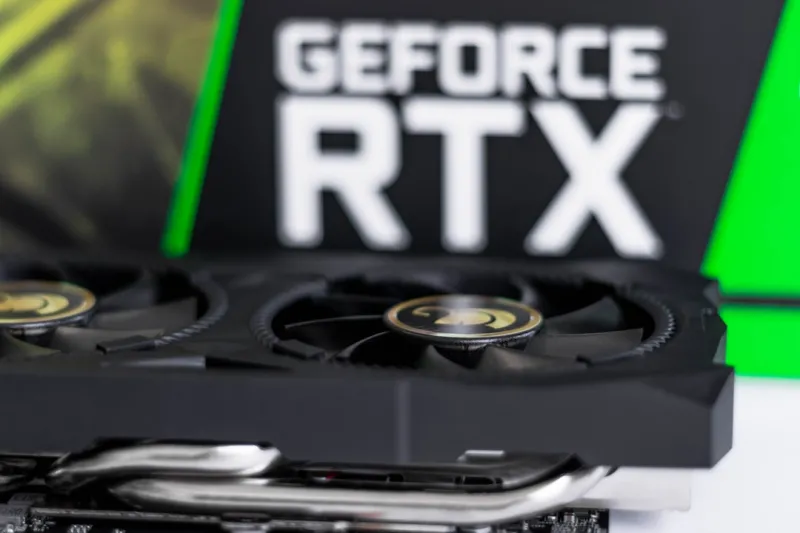
Graphics cards have become the poster children of the AI revolution, with ray‑tracing now standard and tensor cores handling everything from upscaling to real‑time image generation. However, with great power comes great responsibility—the heat output and power draw of today’s flagship GPUs can overwhelm even a well‑designed chassis. That’s why I spend as much time on stability as I do on raw performance. If you’ve ever watched your frame rates dip mid‑session or seen driver crashes after a long rendering marathon, you’re not alone. The troubleshooting steps outlined in Diagnosing and Fixing Common Video Card Issues in 2026
are essential reading before you even think about buying the newest RTX‑9000 series. Invest in a quality aftermarket cooler, double‑check that your PSU can sustain a steady 650‑W draw, and make sure your case airflow follows the front‑to‑back, bottom‑to‑top pattern. When you pair a stable GPU with the AI‑ready CPU we discussed earlier, you’ll finally unlock the “instant‑preview” workflow that many creators promised but rarely delivered.Memory & Storage: The Silent Speed Boosters You’re Overlooking
While the CPU and GPU often steal the spotlight, the real unsung heroes in 2026 are ultra‑fast DDR5‑6000 kits and PCIe 5.0 NVMe SSDs that push beyond 10 GB/s sequential reads. If you’ve ever stared at a loading screen that seemed to defy logic, you know how much a lagging drive can sabotage the entire experience. Modern high‑density SSDs now sport integrated DRAM caches that eliminate the “slow‑write” tail you used to see when moving massive video libraries. For power users, a hybrid approach—a 2 TB PCIe 5.0 drive for OS and applications paired with a 4 TB SATA‑based archival SSD—offers the sweet spot between speed and cost. To fine‑tune this balance, explore the strategies in Hard Drive Strategies for 2026
, which walk you through RAID configurations, wear‑leveling tricks, and firmware updates that keep your storage humming for years.AI Accelerators: Dedicated Chips That Turn Your PC Into a Mini‑Data Center
One of the most exciting trends of 2026 is the proliferation of AI‑specific co‑processors—small, power‑efficient cards that sit on the PCIe lane and offload neural‑network inference from the main GPU. These devices, often marketed as “AI inference accelerators,” excel at tasks like real‑time language translation, background upscaling, and even on‑the‑fly video compression. Because they’re purpose‑built, they consume a fraction of the power a full‑blown GPU would need for the same job, making them perfect for compact builds or laptops that still want a taste of desktop AI performance. If you haven’t yet explored how these chips can reshape everyday workflows, the piece How AI Computing Is Reshaping Your PC Experience in 2026
breaks down real‑world use cases—from photographers using AI denoise on the fly to developers testing edge‑AI models without a cloud subscription.Power & Cooling: Keeping the Beast Tamed Without Breaking the Bank
All the cores, cores, and accelerators in the world won’t matter if your power supply can’t keep up or your cooling solution lets the temps skyrocket. 2026’s power‑efficiency improvements mean you can now run a 48‑core CPU, a top‑tier GPU, and an AI accelerator on a single 850‑W platinum‑rated PSU without tripping breakers. But the real art lies in distribution: use modular cables to reduce clutter, and consider a dual‑circuit design where the GPU draws from a dedicated rail. On the cooling front, hybrid air‑liquid solutions have finally become affordable for the enthusiast market, delivering sub‑70 °C temps under full load while keeping noise under 30 dB. Don’t forget to monitor your system with tools that read the new smart‑voltage APIs; they’ll alert you before a component overheats, saving you costly RMA trips. Investing a little extra in a quality power and thermal setup now will pay dividends in system stability and longevity.
Future‑Proofing: Building a PC That Grows With AI and Beyond
When you’re planning a build in 2026, the mantra should be “design for tomorrow, not just today.” That means choosing a motherboard with extra PCIe 5.0 slots, an 8‑lane M.2 connector, and a robust VRM that can handle future CPU upgrades without a replacement. Look for cases that support up to 420 mm GPU lengths and have modular drive cages—you’ll thank yourself when the next generation of storage drops a 10 TB NVMe drive. Also, consider a chassis that can accommodate a custom water‑cool loop if you anticipate adding more AI accelerators down the line. The article How to Future‑Proof Your PC Hardware in the Age of AI
offers a checklist that walks you through each decision point, from BIOS settings that enable future‑firmware updates to cable‑management tricks that keep your interior tidy for the next upgrade cycle.Upgrade Playbook: A Step‑by‑Step Checklist for Immediate Gains
Now that we’ve covered the individual components, let’s put it all together in a practical, no‑fluff upgrade plan. First, audit your current system: note CPU socket, PSU wattage, and available PCIe lanes. Second, prioritize the bottleneck—if you’re gaming, the GPU is your first target; if you’re rendering, focus on CPU cores and AI accelerators. Third, order parts that are compatible with your existing chassis to avoid a full‑case swap. Fourth, back up all data using a reliable cloning tool before swapping drives; a fresh OS install on a new NVMe can shave seconds off boot time. Finally, after assembling, run benchmark suites like 3DMark Time Spy and AI‑specific tests such as TensorFlow benchmarks to verify performance gains. For a deeper dive, the guide Upgrade Your PC Like a Pro: Strategic Steps for 2026 Performance Gains
walks you through each stage with screenshots and command‑line tips.Wrapping Up: Embrace the Momentum and Keep Experimenting
2026 isn’t just another year on the tech calendar; it’s a tipping point where AI, storage, and power efficiency intersect to create a new baseline for what a personal computer can do. By focusing on the right combination of CPU, GPU, AI accelerators, and ultra‑fast storage, you’ll build a machine that feels future‑ready today. Remember, the best hardware builds are iterative—you don’t need to replace everything at once. Start with the upgrade that offers the biggest real‑world impact for your workflow, test, and then layer on the next improvement. Stay curious, keep an eye on emerging standards, and never hesitate to dive into the deeper technical posts linked throughout this article. Your next hardware breakthrough is just a component away.