When I first built a rig back in the early 2020s, the biggest decision was whether to splurge on a high‑end GPU or save for a better case. Fast‑forward to 2026, and the calculus has completely shifted. AI workloads are no longer the domain of data centers; they’re spilling into every desktop, demanding hardware that can handle massive matrix multiplications without throttling. As a longtime tinkerer and tech evangelist, I’ve learned that the most sustainable upgrades start with a clear vision of where the software landscape is headed. That means looking beyond the next big game release and asking, “Will this component accelerate my AI models, my video editing pipelines, and my everyday multitasking?” In this guide, I’ll walk you through the hardware pillars that matter most today, from CPUs that juggle dozens of threads to storage solutions that keep latency in check, all while keeping an eye on the future‑proofing strategies that protect your investment for years to come.
Choosing a CPU That Grows With AI Demands
The brain of any modern PC has become a hybrid beast, blending traditional high‑clock cores with specialized AI accelerators. In 2026, the top‑tier desktop CPUs now ship with a mix of performance cores, efficiency cores, and on‑die tensor units that dramatically speed up inference tasks. When selecting a processor, prioritize models that offer a high core count and a robust AI instruction set, such as Intel’s 13th‑gen hybrid line or AMD’s Ryzen 9 7950X3D with built‑in AI extensions. These chips not only crush gaming benchmarks but also shave minutes off AI‑driven data processing jobs that would otherwise hog your GPU. Pairing a capable CPU with a motherboard that supports DDR5‑6000 memory and PCIe 5.0 ensures you won’t hit a bottleneck when the next wave of AI‑centric applications arrives. Remember, a strong CPU foundation reduces the need for frequent upgrades, letting you focus your budget on other performance‑critical areas.
The GPU Revolution: From Gaming to General‑Purpose AI
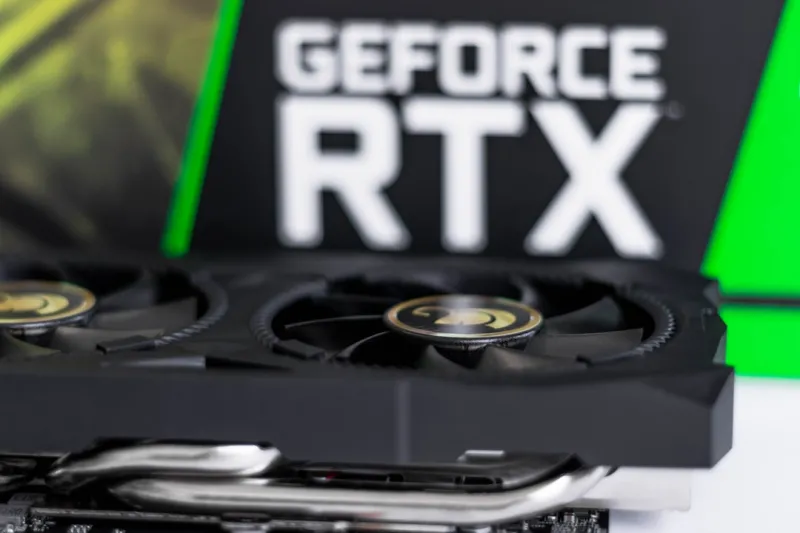
Graphics cards have morphed from pure rasterizers into full‑blown compute engines, and that evolution is the heart of today’s AI explosion. Nvidia’s RTX 5000 series and AMD’s Radeon 8000 lineup now boast dedicated ray‑tracing cores and tensor cores that accelerate everything from neural network training to real‑time video upscaling. If you’re still on a mid‑range card from a few generations back, you’re likely missing out on massive efficiency gains. Before you dive into a new purchase, skim the GPU troubleshooting guide to ensure your current setup isn’t suffering from firmware bugs or thermal throttling that could be resolved with a simple BIOS update. When you do upgrade, aim for a GPU with at least 24 GB of VRAM and PCIe 5.0 support; this future‑proofs you against the ever‑growing memory footprints of AI models and high‑resolution creative workloads.
Memory, Storage, and the Quest for Zero Latency
While CPUs and GPUs often steal the spotlight, RAM and storage are the silent workhorses that dictate real‑world responsiveness. DDR5 has become the standard, but the real game‑changer is DDR5‑6000 and the emerging DDR5‑7200 kits that push bandwidth beyond 50 GB/s, a crucial factor for large language model inference and 8K video editing. On the storage front, PCIe 5.0 NVMe SSDs are finally hitting mainstream price points, delivering sequential reads in the 14 GB/s range and ultra‑low I/O latency. For a truly future‑ready system, I recommend a two‑tier storage approach: a lightning‑fast PCIe 5.0 SSD for your OS and active projects, coupled with a larger, more economical SATA or PCIe 4.0 SSD for archival data. This combo not only accelerates boot times and application launches but also ensures you have the headroom to accommodate the massive datasets that AI applications now demand.
Power Delivery, Cooling, and the Art of Quiet Performance
All that raw performance demands a robust power delivery system and an efficient cooling strategy. In 2026, a 850 W 80+ Platinum PSU is the sweet spot for most high‑end builds, offering enough headroom for multi‑GPU setups while maintaining efficiency under varying loads. Don’t overlook the importance of a quality VRM design on your motherboard; a solid VRM ensures stable power to the CPU’s AI cores, preventing throttling during sustained workloads. Cooling has also evolved: hybrid air‑liquid coolers now provide the best of both worlds—quiet operation with the thermal punch needed for extended AI training sessions. When selecting a case, prioritize airflow paths that accommodate larger radiators and high‑static‑pressure fans. A well‑ventilated chassis not only prolongs component lifespan but also keeps noise levels low enough for focused work, a subtle yet vital aspect of a productive setup.
Modularity and Upgradability: Building for the Long Haul
One of the most common mistakes I see newcomers make is committing to a monolithic design that locks them into a specific ecosystem. To avoid that pitfall, choose a modular platform that lets you swap out parts without a full rebuild. This means opting for a motherboard with ample M.2 slots, USB‑4 connectivity, and support for both current and next‑gen PCIe standards. A case with tool‑less drive bays and adjustable GPU brackets further simplifies future upgrades. If you’re unsure where to start, check out the Upgrade Your PC Like a Pro guide, which walks you through a systematic approach to planning each component upgrade for maximal ROI. By building with flexibility in mind, you’ll be able to integrate emerging technologies—like dedicated AI inference cards or advanced storage controllers—without tearing the whole system apart.
Hardware‑Based Security for an AI‑Powered Threat Landscape
As AI becomes a double‑edged sword, hardware security features have taken center stage. Modern CPUs now include built‑in mitigations for speculative execution attacks, while TPM 2.0 modules provide a hardware root of trust for secure boot and disk encryption. Investing in a motherboard with an integrated TPM and enabling Secure Boot out of the box can thwart many ransomware and AI‑generated phishing attempts that target firmware. Additionally, consider a dedicated hardware firewall or an AI‑enhanced NIC that can perform real‑time packet inspection, reducing the attack surface at the network level. Pairing these hardware safeguards with up‑to‑date firmware and driver patches creates a layered defense strategy, essential for protecting the valuable data and models you’ll be processing on your machine.
Networking: The Backbone of AI‑Driven Workflows
Even the most powerful PC can be held back by a sluggish network connection, especially when collaborating on large AI datasets or streaming high‑resolution media across devices. In 2026, Wi‑Fi 7 routers are finally mainstream, delivering multi‑gigabit speeds with lower latency—a boon for cloud‑based AI services and real‑time collaboration tools. For wired connections, look for motherboards and NICs that support 10 GbE Ethernet over RJ‑45, ensuring you can transfer terabytes of data without bottlenecking. If you’re curious about how AI can further optimize your home or small‑business network, the AI‑Powered Networking post dives deep into intelligent routing, edge computing, and zero‑trust implementations that keep your data flowing securely and efficiently.
Budgeting Smart: Getting the Most Bang for Your Buck
Future‑proofing doesn’t mean splurging on every bleeding‑edge component; it means allocating resources where they matter most. Start by identifying your primary workloads—whether that’s AI model training, 8K video editing, or competitive gaming—and prioritize spending on the components that directly impact those tasks. A common rule of thumb is the 40/30/20/10 rule: 40% of the budget to CPU/GPU, 30% to memory/storage, 20% to power and cooling, and the remaining 10% to case, peripherals, and future‑proofing accessories. By following this allocation, you avoid over‑investing in a flashy case while under‑powering the compute heart of the system. Additionally, keep an eye on sales cycles, such as the post‑back‑to‑school and holiday periods, where you can snag high‑end components at a discount, stretching your budget further without compromising performance.
Wrapping It Up: Your Roadmap to a Resilient, AI‑Ready PC
Building a PC that can handle today’s AI‑driven workloads while staying relevant for years to come is a balancing act of foresight, component synergy, and disciplined budgeting. By choosing a hybrid CPU with strong AI extensions, investing in a high‑VRAM PCIe 5.0 GPU, equipping your system with ultra‑fast DDR5 and PCIe 5.0 storage, and reinforcing everything with a robust PSU, advanced cooling, and modular design, you lay a solid foundation that adapts as software demands evolve. Complement this hardware backbone with built‑in security features, a fast network stack, and a strategic upgrade plan—outlined in resources like Future‑Proofing Your PC—and you’ll enjoy a resilient, high‑performance machine that feels fresh for the next several years. Stay curious, keep an eye on emerging standards, and remember that the best PC is the one that grows with you, not the one you outgrow.