When I first cracked open a dusty ATX case back in the early 2010s, the idea of “future‑proofing” felt like a marketing buzzword—something manufacturers tossed in to justify a higher price tag. Fast forward to 2026, and that buzzword has morphed into a survival strategy. The relentless march of AI‑driven workloads, ultra‑high‑resolution displays, and edge‑computing demands means the hardware you buy today will be tested in ways your old manuals never imagined. In this post, I’m pulling back the curtain on the most impactful hardware trends shaping our desks and laptops right now, and I’ll walk you through practical steps to ensure your rig doesn’t become obsolete before the next holiday season. Expect a deep dive into AI accelerators, storage revolutions, and the new connectivity standards that are silently reshaping performance. By the end, you’ll have a clear roadmap to not just keep up, but stay ahead of the curve while keeping your budget in check.
Why the Hardware Landscape Is Shifting Faster Than Ever
One of the biggest game‑changers this year is the proliferation of dedicated AI accelerators on consumer‑grade motherboards. No longer confined to data‑center racks, these tiny chips—often branded as “Neural Processors” or “Tensor Cores”—are now built into flagship CPUs and even some mid‑range GPUs. They offload inferencing tasks from the main cores, dramatically boosting performance for everything from real‑time video upscaling to AI‑enhanced gaming graphics. In practical terms, this means a system that can run complex AI filters while you stream a 4K movie without a hitch. The kicker? These accelerators are designed with a modular firmware architecture, so they’ll receive performance patches for years to come, extending the useful life of your machine well beyond the typical 3‑year refresh cycle.
Storage, too, has entered a new era. While SSDs have been mainstream for a decade, 2026 sees the mainstreaming of PCIe 6.0 NVMe drives that push sequential read speeds past 14 GB/s and deliver sub‑microsecond latency. For gamers and creators, the difference is palpable: texture streaming becomes virtually instantaneous, and large 8K video files edit in real time without the dreaded “waiting for the drive.” Moreover, emerging non‑volatile memory technologies like MRAM are starting to appear in high‑end laptops, offering a blend of SSD speed with true data persistence during power loss—a feature that could redefine reliability in mobile workstations.
Connectivity is another silent powerhouse reshaping performance. The rollout of Wi‑Fi 7 (802.11be) across consumer routers provides up to 30 Gbps throughput, slashing download times for massive game patches and cloud‑rendered assets. Meanwhile, the latest iteration of Thunderbolt 5 supports 80 Gbps over a single cable, unifying data, video, and power delivery. This convergence means you can connect a 4K‑120 Hz monitor, an external GPU enclosure, and a fast storage array with just one cable—reducing desk clutter and simplifying future upgrades. Pair this with the growing adoption of USB4‑PD 240 W, and you have a universal power and data backbone that can keep even the most power‑hungry rigs running smoothly.
Thermal and power design have kept pace with these performance spikes. Modern motherboards now feature AI‑driven fan curves that dynamically adjust based on workload, ambient temperature, and even user habits learned over weeks. Coupled with next‑gen 80‑plus Platinum power supplies that boast 96% efficiency at low loads, the overall power envelope shrinks while maintaining headroom for future components. The result? A quieter, cooler system that not only lasts longer but also leaves more capacity for the next hardware wave—be it a new GPU architecture or an upcoming CPU refresh.
Practical Steps to Future‑Proof Your Build in 2026
The first step in future‑proofing is an honest audit of what you already own. Pull out your system information tool and note the CPU socket, PCIe generation, RAM type, and storage interface. If your motherboard supports PCIe 5.0 but you’re still on a PCIe 3.0 SSD, you’ve got a low‑hanging fruit upgrade that can double your bandwidth without swapping the board. Likewise, check if your BIOS already includes an option for enabling the built‑in neural processor—many manufacturers hide these settings under “Advanced AI Features.” Enabling them now can unlock immediate performance gains, especially in AI‑heavy applications like photo upscaling or real‑time language translation.
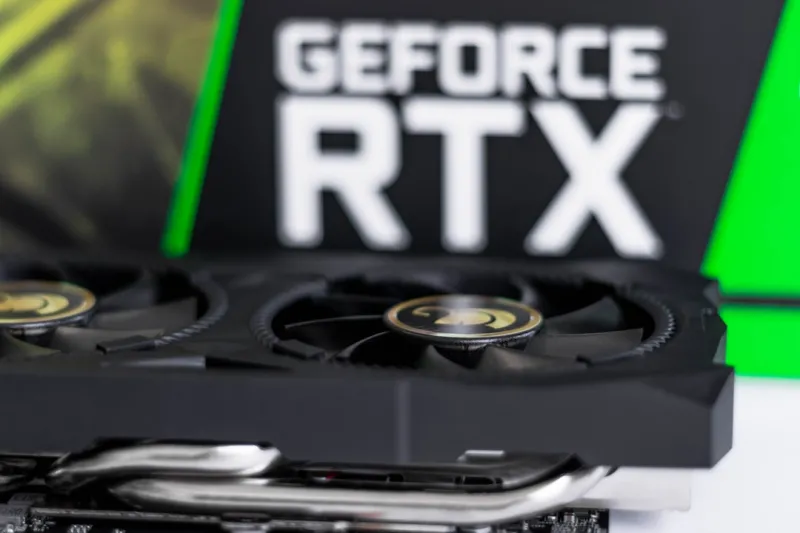
When it comes to the graphics card, the market is buzzing with options that blend traditional rasterization with AI‑based upscaling technologies such as DLSS 3.5 and AMD’s FidelityFX Super Resolution 3. Choose a GPU that not only excels at today’s 1440p or 4K workloads but also offers a robust driver roadmap. If you run into issues—perhaps a strange artifact or a sudden crash—don’t panic. Our Mastering GPU Troubleshooting: A 2026 Guide to Fixing Video Card Woes article walks you through step‑by‑step diagnostics, from firmware updates to power delivery checks, ensuring you can keep the card alive for years.
Upgrading the CPU is often the most daunting part, but with the rise of modular LGA 1700‑compatible processors that support both DDR4 and DDR5, you can extend the life of an existing board by swapping in a newer chip that offers higher core counts and integrated AI cores. If you’re building from scratch, prioritize a motherboard that supports both DDR5 and the upcoming DDR5‑E standard, giving you headroom for higher‑frequency memory modules that will become the norm within the next couple of years. Pair this with a high‑capacity, PCIe 6.0 SSD and you’ve built a foundation that can handle future software bloat and larger data sets without a bottleneck.
Don’t overlook the software side of hardware longevity. Modern operating systems now include built‑in power‑profile management that can automatically shift workloads between CPU cores and AI accelerators based on efficiency algorithms. Enabling “Performance Plus” mode in Windows 12 or the equivalent in Linux distributions ensures you’re extracting the most from every silicon ounce. Additionally, keep your firmware up to date—both the motherboard BIOS and the SSD controller firmware receive optimizations that can unlock hidden performance and improve stability.
Finally, think beyond the box. As we see more devices moving toward edge AI, having a reliable network backbone becomes crucial. Upgrading to a Wi‑Fi 7 router now, or ensuring your Ethernet ports support 2.5 Gbps, will future‑proof your internet connectivity for cloud‑gaming services and AI‑driven collaboration tools. For a deeper dive into building a resilient network, check out AI‑Powered Networking: Future‑Proof Your Home and Small Business. By treating your PC as part of an ecosystem rather than an isolated island, you’ll avoid the common pitfall of upgrading one component only to be throttled by another.
In summary, future‑proofing in 2026 isn’t about buying the most expensive parts on release day; it’s about strategic choices that align with emerging standards and the evolving AI landscape. Leverage the built‑in AI accelerators, adopt the newest storage interfaces, and ensure your connectivity can handle the bandwidth demands of tomorrow’s workloads. If you’re unsure where to start, our guide How to Upgrade Your PC for Maximum Performance in 2026 offers a step‑by‑step roadmap, complete with part lists and budgeting tips. Armed with this knowledge, you’ll be ready to ride the wave of hardware innovation without watching your investment depreciate prematurely.