When you hear the word “upgrade” in 2026, most people still picture swapping a tired hard drive for a shiny SSD or tossing in a newer graphics card to chase a few extra frames. The reality is far richer, and the stakes are higher than ever. Modern workloads are no longer limited to gaming or office tasks; AI‑driven applications, real‑time data analytics, and immersive XR experiences demand a balanced, forward‑looking architecture. That means every component—from the CPU to the power supply—must be selected with both current performance and tomorrow’s workloads in mind. In my own rig, the moment I realized my older Intel i7 was throttling under AI‑enhanced workloads, I knew it was time for a strategic overhaul. If you’re wondering where to start, think of your PC as a living system that needs regular health checks, not just a one‑off boost. For a broader view of what tech shifts are reshaping our decisions this year, check out Navigating the Biggest Tech Shifts of 2026. Understanding the landscape helps you avoid chasing fads and focus on upgrades that actually move the needle.
First, let’s talk about the heart of any modern machine: the processor. In 2026, the line between traditional CPUs and dedicated AI accelerators has blurred dramatically. Companies are integrating tensor cores and on‑die neural engines directly into mainstream chips, which means you can run AI inference locally without a bulky external GPU. I swapped my aging i7 for a next‑gen AMD Ryzen 9 with built‑in AI acceleration, and the difference is palpable—rendering AI‑enhanced video edits now takes a fraction of the time, and my development environment feels snappier than ever. The key is to match the CPU’s core count and clock speeds with the specific workloads you run. If you’re deep into machine‑learning model training or heavy multitasking, aim for a processor with at least 16 cores and a strong single‑thread performance. Pairing that with a motherboard that supports PCIe 5.0 ensures your future add‑ons won’t be bottlenecked by outdated lanes.
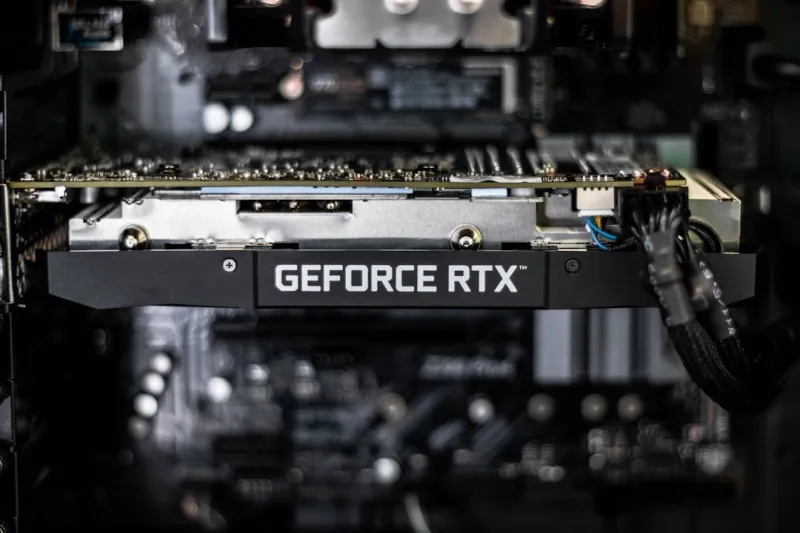
While the CPU sets the stage, the graphics card remains the star for gamers and visual creators. This year, the market is dominated by GPUs that not only push rasterization limits but also excel at ray tracing and AI‑based upscaling. My upgrade path involved moving from a mid‑range RTX 3060 to a flagship RTX 5080, which brought DLSS 3.5 into my workflow—boosting frame rates without sacrificing image quality. However, power and thermals become critical at this level. I had to revisit my case airflow, install a larger AIO cooler, and upgrade my PSU to a reliable 850 W unit. If you encounter any hiccups, from driver conflicts to unexpected shutdowns, the guide Diagnosing and Fixing Common Video Card Issues in 2026 walks you through systematic troubleshooting steps, ensuring you get the most out of your new GPU without unnecessary downtime.
Memory and storage often get the short end of the stick, yet they’re crucial for a truly balanced system. DDR5 is now the standard, offering higher bandwidth and lower latency compared to its predecessor. I’ve settled on a 32 GB kit running at 5600 MT/s, which gives me a comfortable headroom for both gaming and heavy content creation. On the storage front, NVMe PCIe 5.0 SSDs are finally reaching mainstream price points, delivering read speeds beyond 14 GB/s. Pairing a 2 TB PCIe 5.0 drive for your OS and applications with a larger SATA‑based SSD for bulk media creates a sweet spot between performance and cost. Don’t overlook the importance of a robust backup strategy; a combination of local snapshots and cloud redundancy ensures your data stays safe even as you push hardware to its limits.
Power delivery and cooling are the unsung heroes that keep your upgraded components running smoothly. An under‑powered PSU can cause instability, while insufficient cooling leads to thermal throttling—both erode the benefits of high‑end parts. I recommend a fully modular 80+ Gold or Platinum PSU with enough headroom for future expansion; think 1000 W if you plan to add another GPU or a high‑density storage array. For cooling, beyond a quality CPU cooler, consider adding case fans that create a positive pressure environment, pulling cool air in from the front and exhausting it out the top and rear. This setup not only keeps temperatures low but also reduces dust buildup, extending the lifespan of your components.
Now that the hardware is sorted, let’s talk software optimization. The operating system is evolving alongside the hardware, and Windows 2026 brings AI‑driven resource management that can automatically allocate cores and memory based on workload patterns. Enabling the new “Dynamic Performance Boost” in the BIOS works hand‑in‑hand with Windows to squeeze out extra frames in games and speed up rendering tasks. Additionally, keep your drivers and firmware up to date; manufacturers release performance patches that can add a noticeable boost without any physical changes. I also recommend disabling unnecessary background services and using a lightweight antivirus solution that leverages AI for real‑time threat detection without hogging resources.
Future‑proofing isn’t just about buying the most powerful parts today; it’s about building a platform that can evolve gracefully. One strategy I swear by is selecting a motherboard with extra M.2 slots, PCIe 5.0 lanes, and support for DDR5 up to 6400 MT/s. This ensures that as faster SSDs and memory modules become affordable, you can slot them in without a full board swap. Another tip is to keep an eye on emerging standards like USB4‑Gen 3 and HDMI 2.1b, which will become essential for high‑resolution monitors and VR headsets. By planning your cable management and ensuring your case has modular bays, you’ll avoid the dreaded “no room for new cards” nightmare that plagues many upgrades. For a deep dive into long‑term hardware strategies, the article How to Future‑Proof Your PC Hardware in the Age of AI offers a roadmap that aligns with these principles.
Finally, the upgrade journey is as much about mindset as it is about parts. Treat each upgrade as a hypothesis: identify a bottleneck, select a component that addresses it, test performance, and iterate. This scientific approach prevents impulse purchases and ensures every dollar spent translates into measurable gains. In my own lab, I maintain a simple spreadsheet tracking benchmark scores before and after each change, which helps me see real ROI. Remember, the goal isn’t just raw horsepower; it’s a smoother, more efficient workflow that lets you focus on creation rather than wrestling with hardware limitations.
So, whether you’re a gamer chasing 4K 144 Hz, a creator rendering 8K video, or a developer training AI models on the edge, the upgrade path in 2026 is clearer than ever. By aligning your CPU, GPU, memory, and storage choices with the demands of modern software—and backing them with solid power, cooling, and software tuning—you’ll build a machine that feels future‑ready today. Ready to start your own upgrade adventure? Dive into the specifics, plan wisely, and watch your PC transform from a workhorse into a high‑performance partner that grows with you.