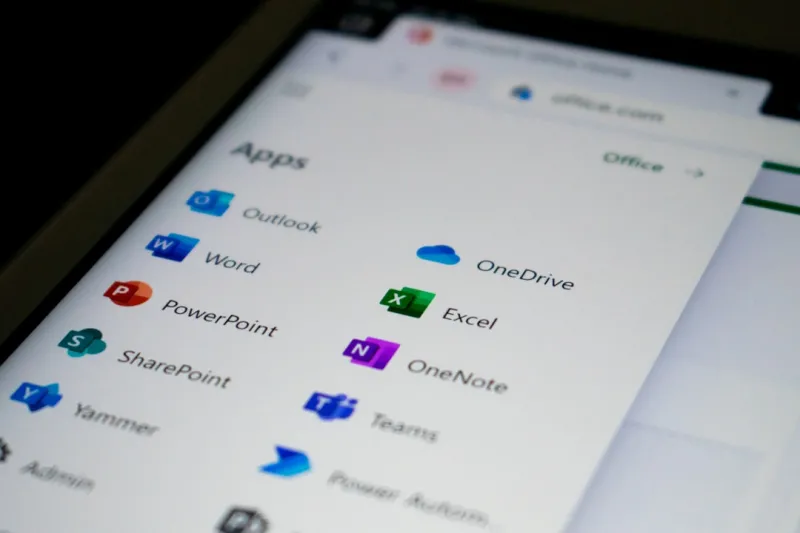
When I first opened a Word document back in the early 2000s, the biggest thrill was the occasional “Save As” dialog that felt like a digital adventure. Fast‑forward to 2026, and Microsoft Office has transformed from a static suite of desktop apps into a living, breathing ecosystem powered by AI, cloud sync, and real‑time collaboration. As someone who’s spent a decade tinkering with Office’s hidden quirks, I’ve learned that the real power lies not just in the features themselves but in how we weave them into our daily workflows. From the way Excel’s new data types can instantly pull live market feeds to the way Teams now feels like a virtual office floor, the suite is no longer a set of isolated tools—it’s a unified productivity engine. In this post, I’ll peel back the layers of the latest Office experience, spotlight the AI‑driven upgrades that are reshaping our work habits, and share practical tips to help you squeeze every ounce of efficiency out of the platform, whether you’re a solo freelancer or part of a multinational team.
AI is No Longer a Fancy Add‑On—It’s the Core Engine
One of the most seismic shifts this year has been the deep integration of artificial intelligence across the Office family. It’s no longer just “Copilot” in a beta corner; AI now powers contextual suggestions, data visualizations, and even automated email drafting in Outlook. When you type a brief phrase into Excel, the AI can instantly generate a complex chart, suggest relevant formulas, and even forecast trends based on historical data—all without you lifting a finger. This isn’t hype—if you dive into How AI‑Powered Office is Redefining Everyday Productivity, you’ll see real‑world case studies where teams cut report‑building time by 40 %. The key is to treat these suggestions as collaborative partners, not replacements. By reviewing AI‑generated insights and tweaking them to fit your narrative, you maintain control while benefitting from the speed of machine learning. The result? Faster decision‑making, fewer manual errors, and a newfound confidence that your spreadsheets and presentations are backed by data‑driven rigor.
Collaboration That Feels Like Real‑Time Conversation
Collaboration in Office has leapt from “share a file” to “co‑author in real time,” and the difference is palpable. In Teams, the integration of shared OneNote notebooks and the new “Live Document” pane means that a brainstorming session can happen without juggling separate apps. You can watch a colleague’s cursor dance across a PowerPoint slide, add comments, and see their edits appear instantly—mirroring the fluidity of an in‑person whiteboard session. SharePoint’s metadata tagging now auto‑classifies documents based on content, making it easier to locate the right version amidst a sea of drafts. For remote teams, this seamless sync eliminates the classic “I’m working on version 2, you’re on version 3” nightmare. Moreover, the new “Meeting Summary” AI in Teams automatically generates action items and assigns them to participants, cutting down on post‑meeting email chains. By embracing these collaborative tools, you turn a static document into a living project hub, dramatically reducing the time spent on version control and email ping‑pong.
Security is another pillar that can’t be ignored, especially when you’re storing sensitive data in the cloud. Microsoft has bolstered Office with end‑to‑end encryption, conditional access policies, and AI‑driven threat detection that flags anomalous sharing patterns before they become breaches. If you’re concerned about data leakage, the new “Information Barriers” feature lets you create virtual walls between departments, ensuring that finance files never accidentally appear in a marketing channel. For those who want an extra layer of assurance, I recommend reading Why Strong Encryption Is Your Best Defense in a Hyper‑Connected World, which breaks down how Office’s built‑in encryption works hand‑in‑hand with Azure security services. By configuring sensitivity labels and leveraging Microsoft’s compliance manager, you can meet industry regulations without sacrificing the fluidity that makes Office so attractive.
Customization is where power users truly shine. The Office Add‑in marketplace now hosts hundreds of AI‑enhanced tools—think grammar assistants that go beyond simple spell‑check, or data connectors that pull live APIs directly into Excel. Power Automate flows, once a niche for IT departments, are now accessible through a visual designer embedded in Outlook, allowing you to automate repetitive tasks like moving attachments to SharePoint or posting meeting notes to a Teams channel with a single click. If you’re comfortable with VBA, you’ll appreciate the new “Modern Script” environment that supports JavaScript, opening doors to cross‑platform automation that works on Windows, macOS, and the web. These customizations can turn a bland spreadsheet into a dynamic dashboard that updates in real time, or transform a static Word template into an interactive form that validates data on the fly. The secret to unlocking this potential is to start small—pick one repetitive process, build a quick flow, and iterate from there.
Performance, however, isn’t just about software—it’s also about the hardware that runs it. While Office has become more cloud‑centric, the local machine still plays a vital role in rendering complex visuals, especially in PowerPoint’s high‑resolution media and Excel’s massive data sets. If you’ve noticed lag when switching between heavy presentations, it may be time to give your PC a quick health check. I recently covered a guide on Unlock the Power of Your PC, which outlines inexpensive upgrades—like adding a fast NVMe SSD or boosting RAM to 32 GB—that can shave seconds off load times and keep Office buttery smooth. Pair these hardware tweaks with the latest Office updates, which now include performance‑optimizing patches that reduce memory footprints. The combination of a well‑tuned machine and a lean, updated Office suite ensures you spend less time waiting and more time creating.
Looking ahead, the line between Office and the broader Microsoft ecosystem is blurring. AI assistants are becoming conversational partners that can schedule meetings, draft proposals, and even suggest strategic pivots based on market data. Edge integration means that web‑based Office components can now leverage browser‑level AI models for faster language translation and real‑time captioning. Zero‑trust security frameworks are being baked directly into Office’s authentication flow, so you’ll never have to juggle separate VPNs or token managers again. The future isn’t about adding more features—it’s about weaving them into a seamless tapestry where data, security, and collaboration flow without friction. By staying curious and experimenting with these emerging capabilities, you position yourself at the forefront of productivity innovation.
In the end, mastering Microsoft Office in 2026 is less about memorizing every new button and more about adopting a mindset of continuous improvement. Use AI suggestions as a springboard, lean on real‑time collaboration to keep teams aligned, enforce robust security policies, and don’t overlook the hardware that powers your work. When you combine these elements, you unlock a level of productivity that feels almost effortless. For a deeper dive into how you can elevate your workflow, check out Unlocking the Next Level of Productivity with Microsoft Office in 2026. Embrace the tools, experiment with the new features, and watch your everyday tasks transform into streamlined, high‑impact results.