When I first opened a fresh copy of Microsoft Office back in the early 2010s, the suite felt like a digital Swiss army knife—handy, reliable, and surprisingly adaptable. Fast‑forward to 2026, and that same toolkit has been turbo‑charged with AI copilots, cloud‑first collaboration, and a seamless integration that feels less like a collection of apps and more like a single, living ecosystem. In my daily grind as a tech writer and occasional office wizard, I’ve seen how the new “co‑author” features in Word, the “data whisperer” in Excel, and the “presentation whisperer” in PowerPoint can shave hours off mundane tasks. The magic isn’t just in the flash of a new button; it’s the way these tools learn my habits, predict my next move, and even suggest design tweaks before I realize I need them. This evolution is reshaping how we think about productivity, and it’s a story worth sharing with anyone who’s ever stared at a spreadsheet and wished for a smarter assistant.
AI Copilots: The Quiet Revolution Inside Your Documents
Imagine opening a Word document and having a discreet, invisible assistant that spots inconsistent phrasing, flags passive voice, and offers a more compelling rewrite—all in real time. That’s the new AI Copilot, and it’s not a gimmick; it’s a genuine productivity boost. The Copilot draws from a massive, on‑device language model that respects privacy while delivering context‑aware suggestions. In my experience, the biggest win is the “Smart Summarize” feature, which can condense a ten‑page report into a concise executive brief in seconds. This is a game‑changer for managers who need to digest information quickly without losing nuance. For teams collaborating across continents, the AI can automatically translate sections into multiple languages, keeping everyone on the same page—literally. If you want to see the broader impact of AI on the Office suite, check out How Microsoft Office Is Reinventing Productivity in 2026, which dives deep into these innovations.
Data‑Driven Decisions Made Simple in Excel
Excel has always been the go‑to for data crunching, but the 2026 overhaul turns it into a true analytics powerhouse. The new “Insight Engine” scans your datasets, surfaces trends, and even builds predictive models without requiring a Ph.D. in statistics. As someone who routinely builds financial forecasts, I’ve saved countless hours by letting the engine suggest pivot tables and charts that align with the story I’m trying to tell. The integration with Power Query has become tighter, letting you pull data from cloud sources, IoT feeds, and even social media streams with a few clicks. What used to be a manual, error‑prone process now feels like a guided tour. For readers who love a good deep‑dive, the article Unlocking the Next Level of Productivity with Microsoft Office in 2026 offers a step‑by‑step walkthrough of these features, from dynamic arrays to AI‑driven data visualizations.
PowerPoint’s Design Genius: From Slides to Storytelling
If you’ve ever wrestled with a bland slide deck, you’ll appreciate PowerPoint’s new “Design Genius.” This tool automatically applies a cohesive visual theme, balances text and imagery, and even suggests speaker notes based on the slide content. The AI can pull relevant royalty‑free images from the web, adjust color palettes for accessibility, and ensure each transition feels purposeful. In my recent webinar series, I let Design Genius handle the heavy lifting, freeing me to focus on narrative flow and audience engagement. The result? Higher retention rates and more enthusiastic Q&A sessions. Beyond aesthetics, PowerPoint now syncs effortlessly with Teams, allowing real‑time co‑authoring and instant feedback loops—perfect for remote teams that need to iterate quickly. The subtle, yet powerful, AI assistance feels less like a crutch and more like a seasoned designer whispering in your ear.
Collaboration That Feels Like Telepathy
One of the most underappreciated upgrades in Office 2026 is the seamless, cross‑application collaboration. When a colleague edits a spreadsheet, the changes instantly reflect in linked Word documents, and vice versa, without manual refreshes. The “Live Sync” engine eliminates version fatigue, a problem that plagued teams using older file‑sharing methods. As someone who juggles multiple projects, I’ve noticed a dramatic drop in “I’m working on an outdated file” moments. Teams integration goes a step further: you can start a conversation about a specific paragraph in Word, and the thread stays attached to that exact line, preserving context forever. The platform also respects granular permissions, so you can share a single chart with a partner without exposing the entire workbook. This level of precision in collaboration is essential for modern, distributed workforces that demand both flexibility and security.
Security and Compliance Built In
Security is no longer an afterthought in Office; it’s baked into the core. With the rise of ransomware and sophisticated phishing attacks in 2026, Microsoft has introduced “Smart Guard,” an AI‑driven shield that monitors document behavior, flags anomalous sharing patterns, and encrypts files on the fly. For compliance officers, the built‑in audit trail records who accessed what and when, making GDPR and other regulatory reporting a breeze. The suite also integrates with Azure Active Directory for single sign‑on and multi‑factor authentication, reducing password fatigue while tightening access controls. In my own workflow, I’ve set up automatic sensitivity labels that classify documents based on content—financial data gets locked down, while marketing briefs stay more fluid. This proactive approach means you spend less time patching vulnerabilities and more time creating value.
Edge Computing Meets Office: Faster, Smarter, Local
Edge computing isn’t just for IoT devices; it’s now a cornerstone of the Office experience. By offloading intensive AI calculations to local hardware—think your laptop’s dedicated AI accelerator—you get near‑instant suggestions without the latency of cloud round‑trips. This hybrid model preserves privacy (your data never leaves the device) while delivering the speed you expect from a cloud service. I’ve noticed that large‑scale data modeling in Excel, which used to lag on older machines, now runs smoothly even on mid‑range laptops thanks to these edge optimizations. For teams working in bandwidth‑constrained environments, this means consistent performance regardless of internet quality. The synergy between edge processing and Office’s AI features is a silent productivity multiplier that often goes unnoticed but makes a massive difference in day‑to‑day tasks.
Future‑Proofing Your Skills in a Rapidly Evolving Suite
Staying ahead of the curve means more than just learning new shortcuts; it requires a mindset that embraces continuous learning. Microsoft offers a wealth of free, on‑demand training modules that cover everything from basic AI Copilot usage to advanced data science extensions in Excel. I make it a habit to allocate an hour each week to explore a new feature—whether it’s experimenting with the new “Data Types” in Excel or testing Power Automate flows that connect Office apps to external services. The community forums are also vibrant, with power users sharing templates, macros, and even custom AI prompts that can be imported directly into your workflow. By treating Office as a living platform rather than a static toolset, you’ll not only boost your own productivity but also become a valuable resource for colleagues navigating the same evolving landscape.
Putting It All Together: A Day in the Life with Modern Office
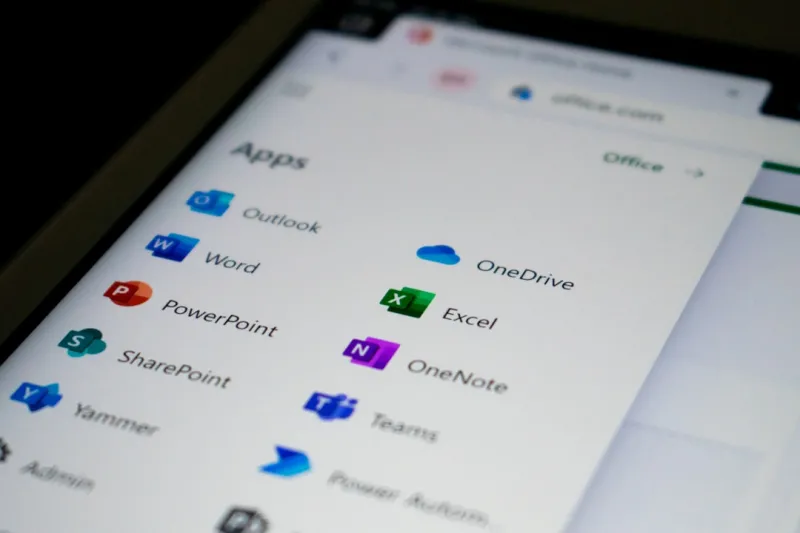
Let’s walk through a typical workday using the 2026 Office suite. I start with Outlook, where AI‑drafted meeting summaries appear as soon as the call ends, complete with action items. I then jump into Word, where Copilot has already cleaned up my draft, suggested a more compelling headline, and inserted a data‑driven chart sourced directly from Excel. While tweaking the chart, the Insight Engine proposes a forecast scenario I hadn’t considered, prompting me to add a “What‑If” analysis that updates automatically across the linked PowerPoint deck. As the day progresses, I collaborate with teammates in real time, watching changes propagate instantly across all documents. By evening, the suite has already encrypted sensitive sections, logged compliance data, and prepared a secure PDF for external partners—all with minimal manual intervention. This seamless, intelligent workflow isn’t a distant fantasy; it’s the reality of Microsoft Office in 2026, and it’s reshaping how we think about work itself.