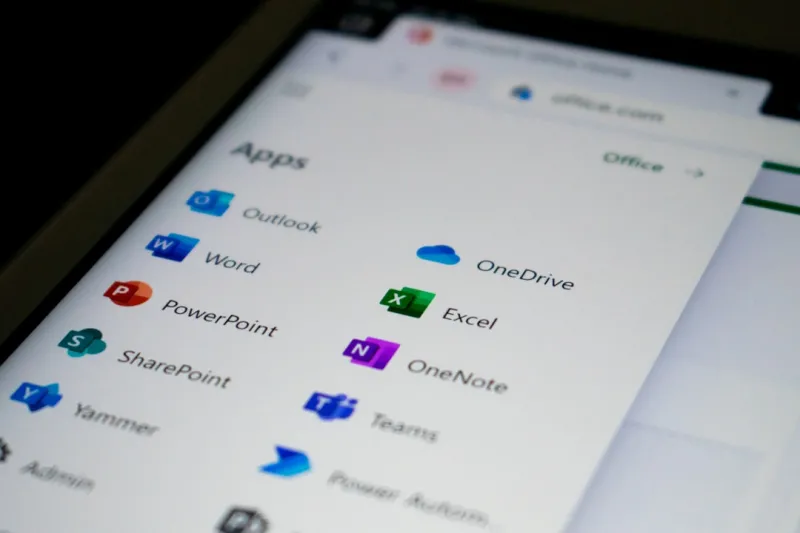
When I first cracked open a fresh install of Microsoft Office back in the early 2010s, I was a wide‑eyed tech‑enthusiast who saw a suite of static tools that, while powerful, felt like they lived in their own little island. Fast‑forward to 2026, and Office has transformed into a living, breathing ecosystem that anticipates my needs before I even type a keystroke. As someone who spends hours drafting proposals, crunching data, and polishing presentations for both small startups and large enterprises, I’ve watched Office evolve from a desktop‑only monolith into a cloud‑centric, AI‑infused productivity powerhouse. The biggest surprise? How seamlessly these changes have blended into my daily workflow, making the suite feel less like a collection of apps and more like a single, intelligent assistant. In this deep dive, I’ll unpack the most compelling upgrades that have reshaped how we work, why they matter to every professional, and how you can start leveraging them today to stay ahead of the curve.
The AI‑Powered Co‑author: Copilot Takes the Lead
One of the most jaw‑dropping shifts in Office this year is the integration of Microsoft 365 Copilot across Word, Excel, PowerPoint, and Outlook. Imagine opening a blank document and having a virtual co‑author suggest an outline, generate polished prose, or even rewrite sections for clarity—all in real time. In Excel, Copilot can scan massive data sets, surface trends, and draft complex formulas with a single prompt, turning raw numbers into actionable insights in seconds. PowerPoint’s design engine now recommends slide layouts, visual themes, and speaker notes that match the tone of your presentation, cutting preparation time by half. The best part? These AI features are built on the same secure, compliant infrastructure that powers the rest of Microsoft 365, so you get the creativity boost without compromising data governance. For a deeper look at how these innovations are reshaping productivity, check out How Microsoft Office Is Reinventing Productivity in 2026, which breaks down the tech behind Copilot and the tangible benefits it delivers to teams of all sizes.
Real‑Time Collaboration Gets a Supercharge
Collaboration has always been a cornerstone of Office, but 2026 takes it to a whole new level. The integration with Microsoft Teams is now tighter than ever, allowing you to co‑author a document while staying in a Teams call, with changes syncing instantly for every participant. The new “Live Sync” engine reduces latency to milliseconds, meaning you’ll see your teammate’s edits almost as soon as they happen—no more “waiting for the page to refresh.” Moreover, the suite now supports granular permission controls directly from the file’s sidebar, so you can grant view, comment, or edit rights on a per‑section basis without leaving the app. This is a game‑changer for compliance‑heavy industries where data segregation is critical. And for those who love to work offline, Office now caches collaborative changes locally and reconciles them the moment you reconnect, ensuring you never lose momentum. The net result is a frictionless workflow that feels like you’re all sitting around a single, shared screen, regardless of where you actually are.
Security and Compliance: Encryption at the Core
With the rise of remote work and cross‑border data flows, security isn’t just a feature; it’s a prerequisite. Office 2026 embeds end‑to‑end encryption by default for all files stored in OneDrive and SharePoint, and it leverages Azure Confidential Computing to keep data protected even while it’s being processed by AI services. The suite also introduces a refreshed Data Loss Prevention (DLP) engine that can automatically identify sensitive content—like PII or financial figures—and either block sharing or prompt you with a compliance warning. For organizations that must meet strict regulations such as GDPR, HIPAA, or CCPA, the new compliance manager dashboard provides real‑time audit trails and policy enforcement suggestions. Want to understand the nuts and bolts of this encryption strategy? Dive into Unlocking the Power of Encryption: A 2026 Guide to Secure Computing, which walks you through how Microsoft’s encryption keys are generated, stored, and rotated without any manual intervention.
Low‑Code Customization with Power Platform
If you’ve ever felt limited by the “out‑of‑the‑box” features of Office, the integration with Power Platform is your ticket to unlimited flexibility. Power Automate now ships with pre‑built AI models that can, for example, auto‑classify incoming emails in Outlook or trigger a multi‑step approval workflow the moment a new row appears in an Excel table. Power Apps lets you build custom front‑ends that surface data from SharePoint lists, Dynamics 365, or even third‑party APIs, all without writing a single line of code. The best part is the seamless embedding of these apps directly into Teams tabs or Office sidebars, turning a static spreadsheet into an interactive dashboard that updates in real time. For power users, the new “Formula‑First” approach in Power Fx means you can write Excel‑style formulas that drive app logic, blurring the line between traditional spreadsheet work and full‑blown application development. This convergence empowers departments to solve unique problems quickly, reducing reliance on IT bottlenecks and accelerating innovation cycles.
Accessibility and Inclusive Design: Built for Everyone
Microsoft’s commitment to accessibility has never been more evident than in the 2026 Office suite. The new “Inclusive Design Mode” provides real‑time suggestions for improving readability, color contrast, and alt‑text for images as you create content. In Word, the AI can flag jargon or overly complex sentences, offering simpler alternatives that cater to a broader audience. Excel now supports voice‑driven data entry and navigation, making it easier for users with motor impairments to interact with large data sets. PowerPoint’s live captioning and translation engine works in over 80 languages, allowing presenters to reach global audiences without the need for third‑party services. Additionally, the updated Immersive Reader works across all Office apps, offering customizable reading speeds, line focus, and even a “Read Aloud” mode powered by neural text‑to‑speech. These features aren’t just nice‑to‑have; they’re baked into the core experience, ensuring that every document, spreadsheet, or slide deck you produce is accessible from the moment it’s created.
Performance and Cross‑Device Fluidity
One of the biggest complaints about earlier versions of Office was the lag between the desktop and web experiences. In 2026, Microsoft has closed that gap with a unified rendering engine that ensures files look identical whether you’re on Windows, macOS, iOS, Android, or the web. The new “Smart Caching” technology predicts which parts of a large document you’ll need next and pre‑loads them, resulting in virtually no wait times—even on 5G‑connected smartphones. For power users who juggle multiple large Excel workbooks, the revamped memory management system keeps the most frequently used data in RAM while streaming less‑used sections from the cloud, dramatically reducing crashes and slowdowns. Offline mode has also been upgraded: you can now edit complex PowerPoint presentations with embedded videos without an internet connection, and once you’re back online, the suite intelligently merges changes, preserving your edits and any collaborative comments made by teammates.
Looking Ahead: AI, Edge, and Zero‑Trust in Office
As we look to the future, Office’s roadmap is tightly intertwined with the broader tech trends of AI, edge computing, and zero‑trust security. The next wave of Copilot enhancements will run partially on edge devices, meaning AI suggestions will be generated locally, reducing latency and keeping sensitive data on‑premises—a crucial advantage for highly regulated sectors. Zero‑trust principles are being baked into the authentication flow, with continuous verification of user behavior and device health before granting access to critical documents. This approach not only hardens security but also provides a smoother sign‑in experience, as trust scores adjust in real time. To see how these macro‑trends are already reshaping software development, read Riding the Next Wave: How AI, Edge, and Zero‑Trust Are Redefining Software Development. In short, Office is no longer just a productivity suite; it’s becoming an intelligent, secure, and highly adaptable platform that will continue to evolve alongside the technologies that define modern work.