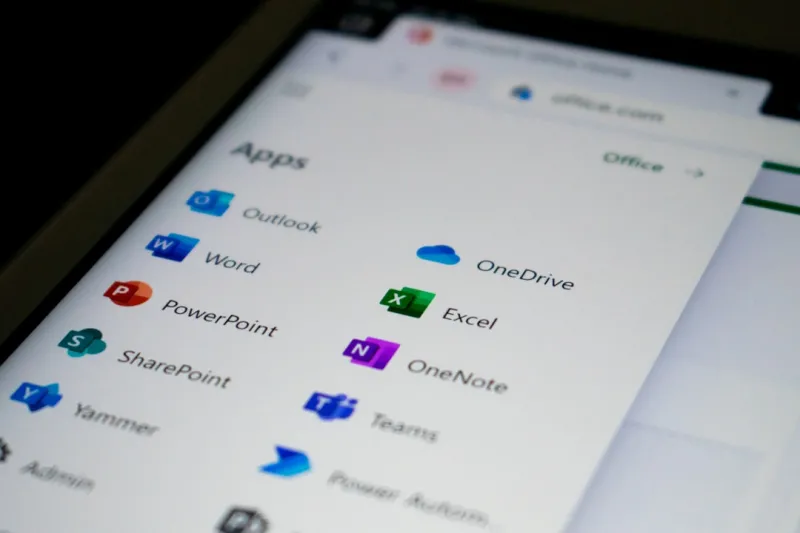
When I first opened Microsoft Office back in the early 2000s, the suite felt like a digital Swiss‑army knife—versatile, reliable, and oddly comforting. Fast‑forward to 2026, and Office has transformed into an AI‑powered ecosystem that not only drafts documents but anticipates the next slide you’ll need, suggests data visualizations before you even think about them, and secures your files with encryption that rivals enterprise‑grade solutions. As someone who lives at the intersection of hardware tinkering and software strategy, I’m fascinated by how these advances echo the broader trends we see across the PC landscape, from motherboard innovations to AI‑driven security. The biggest shift, however, isn’t just the technology itself but the way Office reshapes our workflow mindset—moving from a manual, task‑oriented approach to a collaborative, predictive workflow that feels almost organic. In this post, I’ll walk through the most compelling Office updates of 2026, unpack how they impact everyday productivity, and show you how to leverage these tools without getting lost in the hype.
The AI Co‑Pilot That Actually Writes For You
Microsoft’s AI Co‑pilot has graduated from a helpful sidebar to a full‑fledged writing partner. Powered by a next‑generation large language model, Co‑pilot can draft entire sections of a report in Word, generate polished PowerPoint decks from bullet points, and even suggest Excel formulas based on natural language queries. What sets the 2026 iteration apart is its contextual awareness: it learns from the specific style guides your organization uses, adapts to industry‑specific jargon, and respects data governance policies. For instance, if you’re drafting a financial forecast, Co‑pilot will automatically pull in relevant market data from your corporate data lake, format it according to your standard templates, and flag any anomalies that could signal errors. This isn’t just a time‑saver; it’s a risk mitigation tool that reduces human error and ensures consistency across documents. Embracing this AI partner means you can shift your focus from rote drafting to strategic analysis, freeing up mental bandwidth for higher‑order thinking.
Real‑Time Collaboration Gets a Quantum Leap
Collaboration has always been a cornerstone of Office, but 2026 introduces a truly seamless, latency‑free experience thanks to Microsoft’s integration of edge computing and AI. When multiple users edit a document simultaneously, the platform now leverages local compute nodes to process changes in real time, eliminating the lag that once plagued remote teams. Moreover, the new “Live Insight” pane surfaces relevant data from SharePoint, Teams, and even external sources like the Why AI Computing Demands a Whole‑New Approach in 2026 article, allowing you to embed up‑to‑date statistics without leaving the document. This integration is a game‑changer for cross‑functional projects where data freshness is critical. Imagine a marketing team polishing a campaign brief while a product engineer injects the latest technical specs—all without the “Version X vs. Version Y” confusion that used to dominate email threads.
Encryption That Doesn’t Slow You Down
Security has been a perennial concern for Office users, especially as the line between personal and professional data blurs. In 2026, Microsoft has introduced “Zero‑Impact Encryption,” a background process that encrypts files using quantum‑resistant algorithms without noticeable performance degradation. The technology draws on hardware acceleration present in modern CPUs and GPUs, making the encryption process almost invisible to the end user. This aligns perfectly with the principles discussed in Unlocking the Power of Encryption: A 2026 Guide to Secure Computing, where the focus is on protecting data at rest and in transit without sacrificing speed. For organizations that handle sensitive information—think legal contracts, medical records, or proprietary code—this advancement means you can confidently store and share documents on OneDrive or Teams, knowing that the encryption is both robust and unobtrusive.
Dynamic Data Visualization in Excel
Excel has always been the go‑to tool for data crunching, but its visualization capabilities have historically required a manual touch. The 2026 update flips that script by introducing AI‑generated visualizations that adapt as your data evolves. Simply select a data range, and the “Smart Chart” engine suggests the most effective chart type, color palette, and layout, all while adhering to your corporate branding guidelines. It even offers predictive trend lines based on machine‑learning models that factor in seasonality and external variables you import from Power BI. The result is a dashboard that feels alive—updates in real time, highlights outliers instantly, and provides actionable insights without a steep learning curve. This dynamic approach not only saves hours of design work but also democratizes data storytelling across teams that may not have a dedicated analyst.
Streamlined Integration with Teams and the Cloud
Microsoft Teams has become the digital office hub, and Office 2026 deepens that integration in ways that feel almost instinctual. When you receive a Teams message with a file attachment, the document opens directly in the appropriate Office app with the context of the conversation preserved. AI‑driven “Conversation Insights” surface related documents, past decisions, and even sentiment analysis of the chat, helping you understand the broader narrative before you edit. Meanwhile, the cloud storage layer now supports granular, AI‑guided permission settings, ensuring that only the right eyes see the right data. This is particularly valuable for compliance‑heavy industries where audit trails are essential. By consolidating communication, file management, and AI assistance into a single workflow, Microsoft is effectively erasing the friction points that once required multiple apps and manual handoffs.
Accessibility Features That Anticipate Needs
Inclusivity is no longer a checklist item; it’s a core design principle for Office in 2026. New accessibility tools leverage AI to provide real‑time transcription, translation, and even sign‑language avatars in PowerPoint presentations. For users with visual impairments, the “Read Aloud” function now adjusts pacing and intonation based on the document’s structure, making long reports easier to digest. Moreover, the platform can automatically generate alt‑text for images, charts, and diagrams using computer‑vision analysis, ensuring compliance with accessibility standards without extra effort from the creator. These enhancements not only broaden your audience but also align with corporate social responsibility goals, demonstrating that productivity and empathy can coexist harmoniously.
Automation Meets Creativity with Power Platform
The Power Platform—Power Automate, Power Apps, and Power Virtual Agents—has been the sandbox for citizen developers, and Office 2026 brings it tighter into the suite. You can now embed low‑code workflows directly into Word or Excel, automating repetitive tasks like data validation, email follow‑ups, or invoice generation with a few clicks. What’s exciting is the synergy between AI and automation: a Power Automate flow can trigger a Co‑pilot‑generated email summary whenever a spreadsheet reaches a threshold, and a Power App can surface a customized form inside Teams that pulls data from SharePoint in real time. This convergence empowers non‑technical users to build end‑to‑end solutions without writing a single line of code, accelerating digital transformation across the organization.
Future‑Proofing Your Office Skills
With the rapid pace of innovation, staying current on Office features can feel overwhelming. My advice? Treat learning as an iterative process, much like firmware updates on a motherboard. Set aside a brief “feature sprint” each month where you explore a new capability—be it AI Co‑pilot, Smart Charts, or Zero‑Impact Encryption. Leverage Microsoft’s built‑in learning pathways, which now include micro‑learning modules that can be completed in under five minutes. Pair that with community forums and internal knowledge bases to share tips and shortcuts. By continuously upskilling, you ensure that you’re not just using Office, but truly mastering it as a strategic asset that amplifies your productivity and keeps you ahead of the curve.