When I first cut my teeth on Ethernet cables in a cramped dorm room, I never imagined I’d be juggling 10‑gigabit fiber, Wi‑Fi 7, and AI‑driven traffic shaping from a single desk. Yet here we are in 2026, and the line between a “home network” and an enterprise backbone has blurred for power users who demand zero‑latency gaming, instant cloud rendering, and rock‑solid security—all at the same time. In this post I’ll peel back the layers of today’s networking stack, spotlight the tools that let us squeeze every millisecond out of our connections, and show you how to future‑proof your setup without breaking the bank. Think of it as a roadmap for anyone who refuses to settle for “good enough” internet, whether you’re a content creator, a remote dev‑ops wizard, or simply someone who refuses to watch a video buffer at 4 K. Let’s dive into the trends that are reshaping our digital highways and the power‑user tactics that keep us ahead of the curve.
2026’s Network Landscape: Speed, Density, and Intelligence
Speed alone no longer defines a great network. In 2026 we see three converging forces: ultra‑high‑throughput links (10 GbE and beyond), device density (the average household now hosts 30+ smart devices), and AI‑augmented traffic management. The proliferation of Wi‑Fi 7 routers, with 320 MHz channels and multi‑link operation, means you can finally stream 8K video to multiple rooms while your workstation slurps massive datasets from a remote GPU farm. Meanwhile, mesh systems equipped with built‑in machine‑learning algorithms are learning which devices need priority bandwidth and which can be throttled during peak hours. This intelligence reduces latency spikes that used to plague online gaming or live‑streaming sessions. As a power user, you must treat these AI features as both a blessing and a responsibility—understanding the policies they enforce and tweaking them to suit your unique workload patterns.
The Edge of AI: Computing Where It Matters
One of the most exciting developments is the rise of edge AI nodes embedded directly in routers and switches. These tiny compute modules can offload tasks like packet inspection, intrusion detection, and even video transcoding right at the network’s edge, dramatically cutting round‑trip times. Imagine a home office where your router pre‑processes TensorFlow models for real‑time object detection in a security camera feed, sending only the relevant alerts to your phone. This not only conserves bandwidth but also bolsters privacy by keeping raw data local. To get the most out of these capabilities, you’ll want a network device that supports customizable firmware—think OpenWrt or a vendor’s SDK—so you can install the AI workloads you need. For those interested in building a truly future‑ready machine, check out AI Computing for Power Users: Building a Future‑Ready Machine for a deep dive into pairing edge AI with your workstation.
Security Isn’t Optional—It’s a Core Feature
With great bandwidth comes great responsibility. The same channels that deliver gigabit speeds also become attractive attack vectors for ransomware, cryptojacking, and sophisticated IoT botnets. In 2026, zero‑trust networking is moving from corporate data centers into the home, meaning every device must authenticate itself before accessing any resource. Implementing WPA3‑Enterprise, segmenting IoT devices on a dedicated VLAN, and using DNS‑over‑HTTPS are baseline defenses. But power users can go further: deploy a local Pi‑hole with AI‑enhanced threat intel feeds, enable automatic firmware updates via a trusted supply chain, and leverage hardware‑based encryption on your NAS. Remember, a single compromised smart fridge can become a launchpad for lateral movement across your entire network, so treat each node as a potential entry point.
Hardware Choices: The Backbone of a Power‑User Network
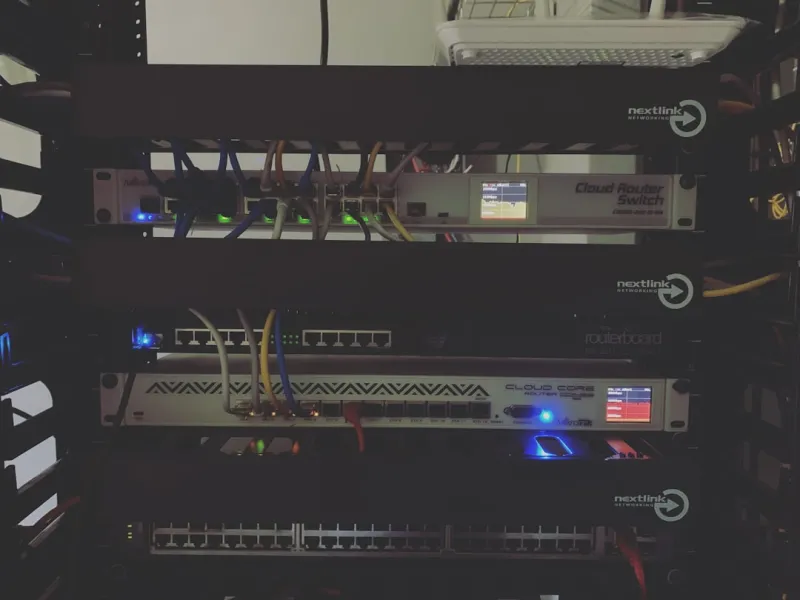
Choosing the right hardware is akin to selecting the perfect motherboard for a high‑performance PC—it sets the stage for everything else. A router with a quad‑core ARM processor, 4 GB RAM, and support for 2.5 GbE WAN ports ensures you won’t hit a bottleneck when pulling in a 1 Gbps fiber feed. Look for devices that offer modular expansion slots for adding dedicated AI accelerators or extra 10 GbE ports as your needs evolve. Similarly, network‑grade Ethernet cables (Cat 8) should replace legacy Cat 5e runs to guarantee signal integrity at higher frequencies. For those who enjoy a hands‑on approach, building a custom network appliance using a mini‑ITX board—complete with a dedicated SSD for logs and a hardware‑based firewall—can give you granular control over every packet. If you’re curious about the mindset behind such builds, the article Why Your Next Hardware Build Needs a Power‑User Mindset offers a solid philosophical framework.
Software Toolkits: From CLI Wizards to GUI Power‑Users
Even the most robust hardware can be underutilized without the right software. In 2026, the CLI remains the king for granular network tuning, but modern GUIs have caught up with visual dashboards powered by real‑time analytics. Tools like Netdata, Grafana, and the open‑source OpenTelemetry stack let you visualize bandwidth spikes, latency heatmaps, and security alerts in a single pane. For Windows‑centric power users, the Unlocking the Full Power of Windows for Modern Power Users guide demonstrates how to script network profile switches, automate VPN connections, and integrate PowerShell with your router’s API for seamless configuration changes. Pair these scripts with Task Scheduler triggers, and you can, for instance, automatically prioritize a Zoom call when a calendar event starts, ensuring crystal‑clear audio and video without manual fiddling.
Future‑Proofing: Strategies from the Frontlines
What does it mean to future‑proof a network in a world where standards evolve annually? The answer lies in modularity and adaptability. First, adopt a layered approach: keep your core backbone (the fiber or 10 GbE uplink) separate from your edge devices (Wi‑Fi routers, switches). This allows you to upgrade each layer independently. Second, prioritize devices that support firmware upgrades for at least five years—many manufacturers now promise long‑term support to combat planned obsolescence. Third, keep an eye on emerging protocols like Thread for IoT and QUIC for low‑latency web traffic; ensuring your router can handle these will keep your network ready for the next wave of applications. For a comprehensive strategy, the post Network Mastery in 2026: Power‑User Strategies for Speed, Security, and Future‑Proofing breaks down a step‑by‑step plan that aligns hardware upgrades with evolving software ecosystems.
Practical Checklist: Building Your Power‑User Network Today
Before you dive into upgrades, grab a pen and run through this checklist: 1) Verify your ISP’s maximum symmetrical speed and ensure your modem supports it; 2) Upgrade to a Wi‑Fi 7 router with at least 8 × 8 MU‑MIMO streams; 3) Replace all copper runs with Cat 8 or fiber where feasible; 4) Segment IoT devices onto a separate VLAN and enforce WPA3‑Enterprise; 5) Install a local DNS sinkhole with AI threat feeds; 6) Enable QoS policies that prioritize latency‑sensitive traffic; 7) Deploy edge AI modules for on‑device packet inspection; 8) Schedule automatic firmware updates for all network hardware; 9) Set up a Grafana dashboard to monitor key metrics; 10) Document every change in a version‑controlled repository. By systematically ticking each item, you’ll transform a patchwork of devices into a cohesive, high‑performance network that can handle the demands of today and the innovations of tomorrow.
Wrapping Up: The Power‑User’s Network Is a Living System
In the end, a power‑user network isn’t a static installation; it’s a living, breathing organism that evolves with your workflow, your gadgets, and the broader tech landscape. The principles I’ve outlined—embracing AI at the edge, enforcing zero‑trust security, selecting modular hardware, and leveraging sophisticated monitoring—form the backbone of a resilient, high‑speed environment. As we continue to push the boundaries of what’s possible—whether that’s real‑time ray tracing in the cloud or immersive VR collaboration—your network will be the silent hero delivering the raw data that fuels those experiences. Keep experimenting, stay curious, and remember that every tweak you make today builds the foundation for the next breakthrough you’ll achieve tomorrow.