When I first cracked open a brand‑new case back in 2022, the excitement was all about flashy RGB and the highest clock speeds I could find. Fast forward to 2026, and the conversation has shifted from mere spectacle to a disciplined, power‑user mindset that treats each component as a strategic investment. In my daily grind as a hardware enthusiast and consultant, I’ve learned that the best rigs aren’t assembled on impulse; they’re engineered with foresight, balance, and a willingness to stay ahead of the rapid cadence of silicon releases. This post dives deep into the current hardware landscape, offering a practical playbook that blends cutting‑edge tech with time‑tested principles. Whether you’re a seasoned builder looking to squeeze another generation out of your platform or a newcomer eager to avoid rookie mistakes, the insights here will help you craft a system that feels as fast today as it will in three years.
CPU Evolution: From Core Counts to Efficiency
2026 marks a watershed moment for desktop processors. The competition between the latest x86 giants and the rising ARM‑based desktop chips has forced manufacturers to prioritize both raw performance and power efficiency. The most compelling story right now is the emergence of hybrid architectures that blend high‑performance “big” cores with power‑saving “little” cores, delivering a seamless experience across gaming, content creation, and AI‑assisted workloads. When I bench‑test a new CPU, I focus on real‑world multitasking scores rather than just single‑thread numbers—this reflects how power users actually operate, juggling streaming, compiling, and virtualization simultaneously. Additionally, the integration of advanced cache hierarchies and on‑die AI accelerators means you can offload repetitive tasks like image upscaling or background transcription without taxing the main cores. The sweet spot for most enthusiasts today is a processor that offers 12‑16 cores, strong single‑core performance for gaming, and a respectable TDP that won’t cripple your cooling budget.
GPU Landscape: More Than Just Pixels
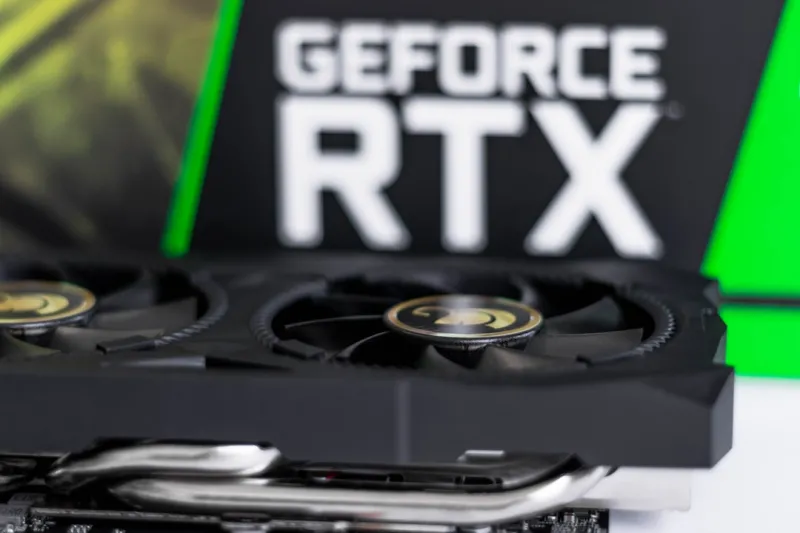
Graphics cards in 2026 are no longer just about raw rasterization. With ray tracing becoming mainstream and AI‑driven image reconstruction (think DLSS 3.x) pushing frame rates beyond traditional limits, the GPU selection process now hinges on a mix of raw shader throughput, dedicated AI cores, and memory bandwidth. While the flagship models still dominate headlines, I’ve found that mid‑tier cards equipped with next‑gen ray‑tracing units provide excellent value for 1440p and even 4K gaming when paired with a capable CPU. However, hardware isn’t the only piece of the puzzle—driver stability and firmware updates remain critical. If you encounter strange artifacts or crashes, a quick read of the video card troubleshooting guide can save hours of frustration. Remember, a well‑tuned GPU with optimal power limits and fan curves often outperforms a higher‑priced model that’s left at default settings.
Motherboard Selection: The Unsung Hero
Choosing the right motherboard is arguably the most strategic decision you’ll make in a build. It sets the foundation for expansion, stability, and future upgrades. In 2026, the premium chipsets now support PCIe 5.0 x16 slots, DDR5‑5600 memory, and robust power delivery that can handle 125W‑plus CPUs without a hitch. I always start by mapping out my long‑term goals: Do I need extra M.2 slots for NVMe arrays? Will I be adding a dedicated capture card or a high‑speed network adapter? The answers dictate whether you go for a full‑size ATX board with ample lanes or a more compact but feature‑rich micro‑ATX. For a deep dive into evaluating these variables, check out my motherboard selection guide, which walks you through VRM quality, BIOS flexibility, and the importance of BIOS flashback for remote updates. A solid motherboard not only ensures stability but also future‑proofs your investment against the next wave of CPU and GPU innovations.
Memory and Storage: Speed Meets Capacity
Memory technology has finally caught up with the demands of modern workloads. DDR5 is now the default for high‑performance rigs, offering bandwidths that comfortably exceed 50 GB/s, which translates to smoother multitasking and faster game loading times. When selecting RAM, I look beyond sheer capacity; latency, heat spreaders, and XMP profiles matter just as much. A 32 GB kit at CL30 can feel snappier in heavy workloads than a 64 GB kit at CL40, especially when paired with a CPU that benefits from lower memory latency. On the storage front, NVMe 4.0 drives have become mainstream, delivering sequential reads above 7 GB/s, while the emerging PCIe 5.0 SSDs are already hitting 14 GB/s in early benchmarks. For most power users, a dual‑drive setup—an ultra‑fast NVMe for OS and applications, plus a high‑capacity SATA or QLC NVMe for media—offers the best balance of speed and cost. Don’t forget to enable RAID or caching features in the BIOS if you need that extra burst of performance for video editing or large dataset processing.
Power Delivery and Cooling: Keeping the Beast Calm
In the era of power‑hungry CPUs and GPUs, a reliable power supply unit (PSU) is non‑negotiable. I recommend a modular, 80+ Gold or Platinum certified unit with at least 20% headroom above your calculated draw. This not only improves efficiency but also reduces noise, which becomes noticeable during long rendering sessions. Cooling solutions have also evolved; hybrid liquid‑cooling kits now combine a closed‑loop pump with a high‑flow radiator that can handle the thermal output of a 150W CPU and a 350W GPU simultaneously. For those who prefer air cooling, the latest high‑CFM fans with PWM control and integrated dust filters provide a clean, low‑profile alternative. Remember to monitor thermals using tools like HWInfo or the built‑in BIOS sensor suite; keeping your CPU under 80 °C under load and your GPU under 85 °C will extend component lifespan and maintain boost clocks.
Peripheral Integration: The Rise of USB4 and Thunderbolt 4
Peripheral connectivity often gets overlooked, yet it can be a bottleneck for power users who juggle multiple high‑speed devices. USB4, now standard on most new motherboards, offers up to 40 Gbps bandwidth, effectively consolidating Thunderbolt 3 functionality with universal compatibility. This means you can daisy‑chain a 4K monitor, an external SSD, and a high‑speed Ethernet adapter without sacrificing performance. When I build a workstation, I prioritize front‑panel USB‑C ports that support full power delivery (up to 100W) for charging laptops or powering external GPU enclosures. Additionally, the resurgence of PCIe‑based external GPU (eGPU) solutions has opened the door for portable high‑performance graphics, ideal for creators who need to edit on the go. Ensuring your chassis has ample cable management options and sufficient airflow for these accessories will keep your setup tidy and functional.
Smart Upgrade Playbook: Planning for the Future
One of the biggest mistakes I see is building a system without a clear upgrade roadmap. In 2026, the pace of component releases demands a strategic approach—think of each upgrade as a chess move rather than a random purchase. Start by identifying the most likely bottleneck for your use case, whether it’s GPU horsepower for 4K gaming or CPU cores for heavy compiling. From there, allocate a budget slice for future expansion: reserve a spare M.2 slot, ensure your PSU has enough connectors for an additional GPU, and consider a motherboard that supports a newer socket or chip revision. My smart upgrade playbook outlines a step‑by‑step timeline that aligns component releases with price drops, helping you avoid overpaying for a brand‑new part that will be eclipsed in six months. By treating upgrades as incremental improvements rather than wholesale rebuilds, you maximize ROI and keep your rig humming at the cutting edge.
Stability, Security, and the Blue Screen Myth
Even the most meticulously assembled system can fall victim to stability issues, and the dreaded Blue Screen of Death (BSOD) still haunts power users despite advances in driver signing and firmware validation. In my experience, the primary culprits are mismatched BIOS settings, outdated chipset drivers, and hidden malware that targets low‑level system processes. A quick audit—checking for the latest BIOS version, verifying driver signatures, and running a reputable anti‑malware suite—can eliminate the majority of blue‑screen incidents. For those who want a deeper dive, I’ve written about why these crashes persist and how to tame them in the article why the blue screen still haunts power users—and how to tame it. Consistently applying Windows updates (yes, they’re still vital in 2026) and leveraging the built‑in Memory Diagnostic tool will further insulate your build from random reboots, ensuring you can focus on creation rather than troubleshooting.
Looking Ahead: The Power‑User’s Edge in 2026 and Beyond
As we navigate the ever‑shifting terrain of computer hardware, the key takeaway for power users is simple: stay informed, plan strategically, and never compromise on the fundamentals of quality components and robust cooling. The trends we’ve explored—from hybrid CPUs and AI‑enhanced GPUs to DDR5 memory and USB4 connectivity—are not fleeting fads; they represent the backbone of next‑generation performance. By applying the principles outlined in this guide, you’ll build a system that not only dominates today’s demanding workloads but also adapts gracefully to tomorrow’s breakthroughs. So, roll up your sleeves, reference the linked blueprints, and start assembling a rig that truly reflects a power‑user’s mindset—one that balances raw horsepower with long‑term resilience and upgradeability.