When I first laid hands on Windows back in the early 2000s, I never imagined I’d still be writing about it in 2026. Yet here we are, and Windows remains the beating heart of the power‑user ecosystem. The OS has quietly evolved, integrating AI‑driven performance tweaks, a revamped Settings hub, and tighter security defaults—all without sacrificing the flexibility that veterans like me crave. In this post, I’ll walk you through why Windows is still the go‑to platform for power users, how to squeeze every last ounce of performance, and what to watch for as the OS heads into its next evolutionary leap. Whether you’re a developer, a content creator, or a gamer with a penchant for tweaking, the strategies below will help you stay ahead of the curve without having to jump ship to a completely new operating system.
First, let’s talk about the core of Windows that keeps us glued: its relentless commitment to backward compatibility paired with forward‑thinking features. In 2026, you can still run legacy 32‑bit tools side‑by‑side with modern ARM‑based apps, thanks to the refined Windows Subsystem for Linux (WSL) and the new Windows Compatibility Layer. This means you can fire up a classic PowerShell script while simultaneously leveraging a Linux container for heavy‑duty data processing. The seamless integration reduces context‑switching, which is a massive productivity win. Moreover, the OS now offers a “Dynamic Refresh Rate” that automatically adjusts monitor refresh based on workload, giving you buttery‑smooth UI interactions when you’re browsing and conserving power during code compilation. These under‑the‑radar improvements are why Windows remains the sweet spot for those of us who demand both stability and cutting‑edge capability.
Why Windows 11 Still Dominates Power Users in 2026
Windows 11, now in its third major update cycle, has matured into a platform that balances aesthetic polish with deep configurability. The new “Task Manager Pro” gives you granular visibility into CPU thread utilization, GPU memory allocation, and even per‑process power consumption—a boon for anyone who fine‑tunes workloads. Meanwhile, the “Snap Layouts 2.0” feature now remembers your preferred window configurations across restarts, allowing you to rebuild a complex multi‑monitor setup with a single keystroke. For power users who run multiple IDEs, monitoring dashboards, and communication tools simultaneously, this level of automation cuts down on friction. And let’s not forget the built‑in “Windows Terminal” enhancements: you now have native support for multiple tabs, split panes, and custom key bindings, all powered by the same rendering engine that drives Edge. These refinements keep Windows 11 relevant, and they illustrate Microsoft’s focus on the real‑world workflows that matter most to the power‑user community.
One of the most compelling reasons to stay on Windows is the ecosystem of third‑party utilities that have matured alongside the OS. Tools like PowerToys have expanded to include a “Keyboard Manager” that lets you remap keys globally, a “Run” dialog that supports fuzzy searching across installed apps, and a “Color Picker” that integrates directly into the system tray. These small but mighty utilities are often the difference between a smooth workflow and a constant battle with default settings. And because Microsoft now ships PowerToys via the Microsoft Store with automatic updates, you’re always on the latest version without manual intervention. Pair this with the new “Windows Insider Fast Ring” that delivers experimental features every month, and you have a continuously evolving platform that adapts to the needs of power users in real time.
Mastering the New Windows Settings Hub
In the past, power users would spend hours digging through nested control panels and registry hacks to get the exact behavior they wanted. Microsoft finally listened with the revamped Settings hub, which consolidates most configuration options into a clean, searchable interface. The “Advanced System Settings” section now includes a toggle for “Enable Hyper‑Threading Optimization,” allowing you to squeeze out extra performance on multi‑core CPUs without diving into BIOS. There’s also a “Power Plan Customizer” that lets you script power‑profile changes based on battery level, workload, or even time of day. For those who love automation, the Settings hub exposes a set of PowerShell cmdlets—Get‑WindowsSetting and Set‑WindowsSetting—that interact directly with the underlying configuration store, making it trivial to version‑control your preferred setup across machines.
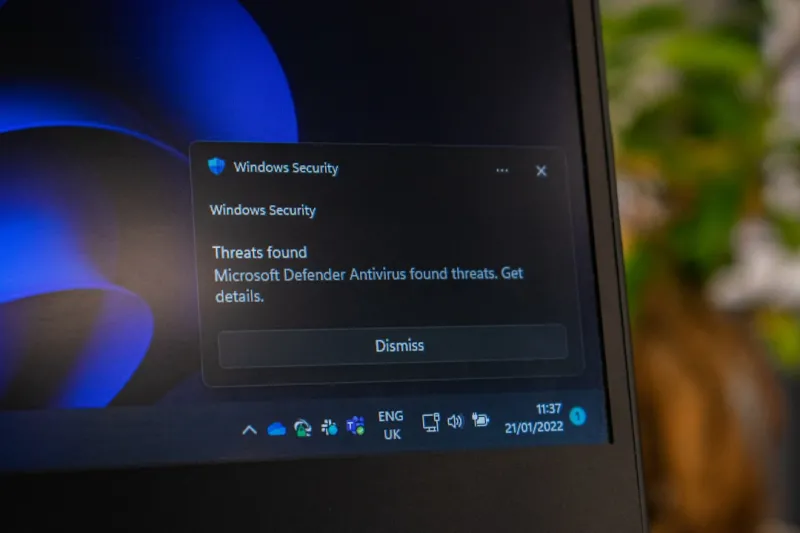
Beyond performance tweaks, the Settings hub now houses a comprehensive “Security & Privacy” dashboard that aggregates Windows Defender, firewall rules, and device encryption status into a single view. This consolidation makes it easier to audit your system’s attack surface, a crucial step given the rising sophistication of ransomware in 2026. The hub also provides a “Telemetry Control” panel where you can granularly opt‑out of data collection for specific categories, ensuring you retain control over what Microsoft sees. By centralizing these options, the Settings hub eliminates the need for third‑party utilities that used to fill this gap, streamlining the power‑user experience while still offering the depth we demand.
Leveraging Power‑User Tools for Automation
Automation is the lifeblood of any power‑user workflow, and Windows 2026 offers an impressive suite of native tools to make it happen. The “Task Scheduler” now supports JSON‑based task definitions, enabling version‑controlled automation scripts stored in Git. Coupled with the new “Event Trigger Enhancer,” you can fire off tasks based on virtually any system event—from USB device insertion to a specific network latency threshold. I’ve built a personal setup where a simple script monitors my SSD health via SMART data; when a warning flag appears, Task Scheduler automatically triggers a backup routine, notifies me via a toast, and even creates a support ticket in my preferred ticketing system.
For developers, the integration of Windows Subsystem for Linux (WSL) with the Windows Terminal means you can chain PowerShell and Bash commands in a single pipeline, leveraging the strengths of each environment. Want to convert a batch of PDFs to searchable text? Spin up a Python script in WSL, pipe the output back to a PowerShell script that updates your indexer, and have the whole process run as a scheduled background job. And if you need to push updates across multiple machines, the new “Windows Update for Business” API lets you programmatically approve, defer, or force install updates—perfect for maintaining consistency in a lab or small office environment. This level of automation ensures you spend less time on repetitive tasks and more time on creative problem solving.
Security Essentials for a Hardened Windows Environment
Security has never been more critical, especially as the line between personal and professional computing continues to blur. Windows 2026 builds on its reputation for robust built‑in protection, but power users need to go a step further. Enabling “Core Isolation” and “Memory Integrity” in the Security settings isolates critical system processes, preventing malicious code from tampering with the kernel. Additionally, the new “Credential Guard” leverages virtualization to store authentication credentials securely, making credential theft significantly harder.
To deepen your security posture, I recommend checking out the Why 2026 Updates Are the Power‑User’s Secret Weapon article for a deep dive on leveraging the latest patches. Pair this with the Unlock the Full Potential of Windows for Power Users guide, which walks you through configuring advanced Defender firewall rules, creating a hardened Wi‑Fi profile, and automating regular vulnerability scans via PowerShell. By combining these built‑in features with disciplined update practices, you can create a fortress‑like environment that still offers the flexibility and performance you need for demanding workloads.
Future‑Proofing Your Windows Workflow
Looking ahead, the biggest opportunity for Windows power users lies in embracing cloud‑native integration without losing the on‑premise control we love. Windows 2026 introduces “Azure Stack Edge” integration directly into the OS, allowing you to offload heavy AI inference tasks to a local Azure‑powered device while keeping data resident on your machine for privacy. This hybrid model lets you run large language models or video rendering pipelines locally, yet scale out to the cloud when you need extra horsepower.
Another trend to watch is the rise of “Universal Windows Platform” (UWP) apps that can run across desktops, tablets, and even the emerging mixed‑reality headsets. By developing or adopting tools that leverage this cross‑device compatibility, you future‑proof your workflow against the inevitable shift toward more immersive computing environments. And finally, keep an eye on the evolving hardware landscape—NVMe Gen 5 SSDs, DDR5‑6000 RAM, and Intel’s upcoming “Meteor Lake” processors promise to reshape performance ceilings. Pairing these components with Windows’ low‑level power management APIs will let you extract performance that was once only possible on dedicated workstations. Stay curious, stay updated, and let Windows continue to be the flexible canvas for your most ambitious projects.