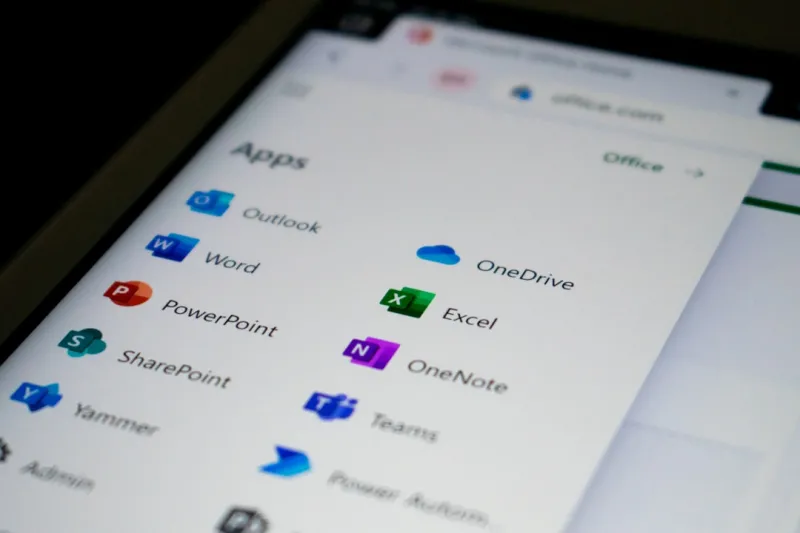
When I first opened Microsoft Office in 2026, the familiar ribbon felt like a launchpad rather than a static interface. The suite has evolved from a collection of office‑centric apps into a dynamic, AI‑infused ecosystem that powers everything from data crunching to real‑time collaboration. As a long‑time power‑user, I’ve learned to treat Office not just as a productivity tool but as a strategic platform that can shave hours off routine tasks and unlock insights that were once reserved for data scientists. In this post, I’ll walk you through the most compelling upgrades, hidden shortcuts, and integration tricks that keep my workflow razor‑sharp, and I’ll show how these changes dovetail with the broader hardware and OS trends that define the modern power‑user’s playground.
AI‑First Features Are No Longer Optional
Microsoft’s investment in AI reached a tipping point this year, and every major app now sports a Copilot‑style assistant that can draft, summarize, and even suggest visualizations on the fly. In Excel, Copilot can generate complex formulas just from natural‑language prompts—imagine typing “calculate the rolling 12‑month average for column B” and watching a new column appear instantly. In Word, the AI can rephrase entire sections to match a desired tone, which is a game‑changer for content marketers juggling brand voice guidelines. PowerPoint’s Designer now suggests entire slide decks based on a single outline, complete with custom graphics and animations. By leaning into these AI capabilities, you reduce manual effort and free cognitive bandwidth for higher‑order problem solving. Embracing AI early also means you stay ahead of the curve as Microsoft continues to roll out deeper model integrations throughout the suite.
Excel’s Data Engine Is Now a Full‑Scale Analytics Hub
The 2026 Excel upgrade feels like a miniature version of Power BI, thanks to the enhanced Data Model, Power Query, and dynamic arrays. One of my favorite tricks is using the new LET function to store intermediate calculations, which not only speeds up workbook performance but also makes formulas readable for teammates. Coupled with the revamped “Get Data” wizard, you can pull live feeds from APIs, SQL databases, or even Azure Data Lake without leaving the workbook. The new “Analyze Data” pane, powered by large‑language models, can recommend pivot tables, charts, or even write DAX measures based on the data you select. When you combine these tools with the built‑in AI suggestions, a single Excel file can serve as a one‑stop shop for data ingestion, transformation, modeling, and reporting—eliminating the need to switch between multiple applications.
Word’s Collaboration Engine Has Been Supercharged
Real‑time co‑authoring in Word has always been useful, but the 2026 enhancements turn it into a collaborative studio. The new “Version History” pane now shows a visual timeline with thumbnails of each major edit, letting you jump back to any point with a single click. Integrated comments now support threaded discussions, emoji reactions, and even AI‑generated suggestions that can re‑write a paragraph to improve readability or SEO compliance. For those who work with citations, the updated Reference Manager pulls metadata directly from cross‑publisher databases, auto‑formatting in APA, MLA, or Chicago style without manual entry. The result is a document that evolves seamlessly from a rough outline to a polished final draft, all while keeping every stakeholder in the loop.
PowerPoint Goes Live with AI‑Driven Design and Delivery
Presentations in 2026 have become a blend of live performance and AI‑assisted storytelling. The new “Live Presenter” mode uses AI to monitor audience sentiment via webcam and adjust slide pacing or suggest on‑the‑fly elaborations. Meanwhile, the Designer feature now offers whole‑theme recommendations based on the content of your slides, pulling from Microsoft’s extensive image library while respecting copyright constraints. You can also embed dynamic data visualizations that refresh automatically from an Excel source, ensuring that every chart reflects the latest numbers without manual updates. For remote teams, the integrated “Presenter Coach” now provides real‑time feedback on pacing, filler words, and even cultural sensitivity, making each delivery smoother and more inclusive.
Outlook Becomes the Command Center of Your Day
Outlook’s 2026 revamp shifts the focus from email inbox to a holistic time‑management hub. The “Focus Time” feature automatically blocks calendar slots based on your workload and nudges you to batch similar tasks, while AI‑generated email summaries let you skim lengthy threads in seconds. The new “Action Items” pane extracts to‑do items from incoming messages and adds them to Microsoft To‑Do with suggested due dates. Integration with Teams is tighter than ever—click a meeting invite and launch a Teams channel discussion without leaving Outlook. For power‑users who rely on automation, the revamped “Quick Steps” now support multi‑step macros that can move emails, create tasks, and even trigger Power Automate flows, turning repetitive email handling into a single click.
Security and Compliance Are Built Into the Fabric
Data security is no longer an afterthought in Office; it’s baked into every layer. Sensitivity labels now auto‑apply based on content analysis, preventing accidental sharing of confidential information. The new “Compliance Manager” dashboard gives you a real‑time view of policy adherence across Word, Excel, and PowerPoint files, highlighting any non‑compliant elements before they leave your organization. Multi‑factor authentication (MFA) prompts are now context‑aware, meaning they appear only when the system detects anomalous sign‑in behavior, reducing friction for legitimate users while keeping threats at bay. By leveraging these native controls, you can maintain a high security posture without needing third‑party add‑ons, which aligns perfectly with a lean power‑user toolkit.
Office Doesn’t Exist in a Vacuum—It Syncs With Your OS and Hardware
One of the reasons I remain a staunch advocate for the Windows ecosystem is how seamlessly Office integrates with the OS’s performance enhancements. The latest Windows updates in 2026 prioritize low‑latency memory allocation for Office apps, delivering smoother multitasking when you have multiple documents, spreadsheets, and presentations open simultaneously. If you’re building a rig that can keep up with these demands, check out the guide on Designing a Future‑Ready PC: Hardware Strategies Every Power User Needs. Pairing a high‑speed NVMe drive with the newest ARM‑based processors ensures Office launches instantly and handles AI‑heavy tasks without lag. This synergy between software and hardware is why Windows remains the power‑user’s playground in 2026, offering the reliability and performance that Office’s advanced features demand.
Unlocking the Full Power of Office Requires an Add‑In Mindset
Beyond the core apps, the Office Add‑In ecosystem has exploded, offering low‑code solutions that extend functionality without writing a single line of code. Power Automate flows can now be embedded directly into Excel sheets, triggering data refreshes or sending alerts when thresholds are crossed. Power Apps lets you build custom forms that feed data back into SharePoint or Teams, turning static documents into interactive portals. If you haven’t explored these capabilities yet, the article Unlocking the Full Power of Microsoft Office in 2026 walks you through the most impactful add‑ins and how to deploy them without disrupting your existing workflow. Embracing this modular approach turns Office into a living platform that grows with your needs, rather than a static set of tools you outgrow.
Future‑Proof Your Office Strategy with a Simple Checklist
To wrap up, here’s a quick checklist that helps you stay ahead of the curve:
- Enable Copilot across all Office apps and set up custom prompts for recurring tasks.
- Upgrade Excel workbooks to use dynamic arrays, LET, and Power Query for real‑time data pipelines.
- Leverage Word’s AI‑driven suggestions for tone and citation management.
- Adopt PowerPoint’s Live Presenter mode for audience‑aware delivery.
- Configure Outlook’s Focus Time and Action Items to automate email triage.
- Apply sensitivity labels and monitor compliance via the built‑in dashboard.
- Ensure your hardware meets the recommended specs for AI‑heavy workloads.
- Explore Power Automate and Power Apps add‑ins to extend functionality.
By ticking these boxes, you turn Microsoft Office from a collection of apps into a cohesive, intelligent engine that fuels every facet of your professional life. Keep experimenting, stay curious, and let the suite’s evolving capabilities elevate your productivity to the next level.