When you ask any seasoned power‑user why Windows still feels like home, the answer isn’t just nostalgia—it’s a blend of deep integration, relentless innovation, and a thriving ecosystem that adapts faster than most users expect. In 2026, Windows 11 has matured into a platform that respects the old‑school command line while embracing modern UI fluidity, making it a sandbox for anyone who wants to push limits without sacrificing stability. The OS now ships with built‑in support for containerization, WSL 2 improvements, and native AI‑assisted tools that streamline everything from code compilation to multimedia editing. What truly sets Windows apart for power users is its relentless commitment to backward compatibility; legacy drivers, older hardware, and even classic software still run alongside the newest features, eliminating the painful trade‑offs that plague many alternative platforms. As a result, the Windows environment feels like a well‑engineered chassis where you can bolt on the latest tech without tearing the whole thing apart.
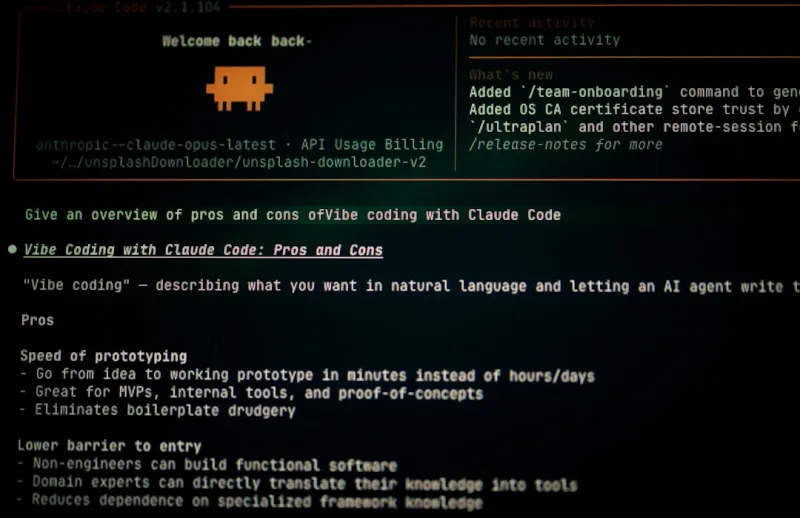
One of the most compelling reasons to stay on Windows today is how the operating system has become a launchpad for AI‑driven workflows. Microsoft’s integration of Copilot directly into the OS means you can ask the system to generate PowerShell scripts, optimize performance settings, or even draft email replies—all without leaving your desktop. This isn’t a gimmick; the AI layer learns from your habits, suggesting shortcuts that shave seconds off repetitive tasks, which adds up to minutes—or even hours—over the course of a week. In Harnessing AI Computing: A Power‑User’s Blueprint for 2026, I explored how AI can be a co‑pilot for developers, designers, and sysadmins alike, and Windows has become the most accessible conduit for that vision. The OS now offers a unified AI experience across File Explorer, Settings, and even the Command Prompt, turning what used to be a manual tuning process into an intelligent, context‑aware assistant.
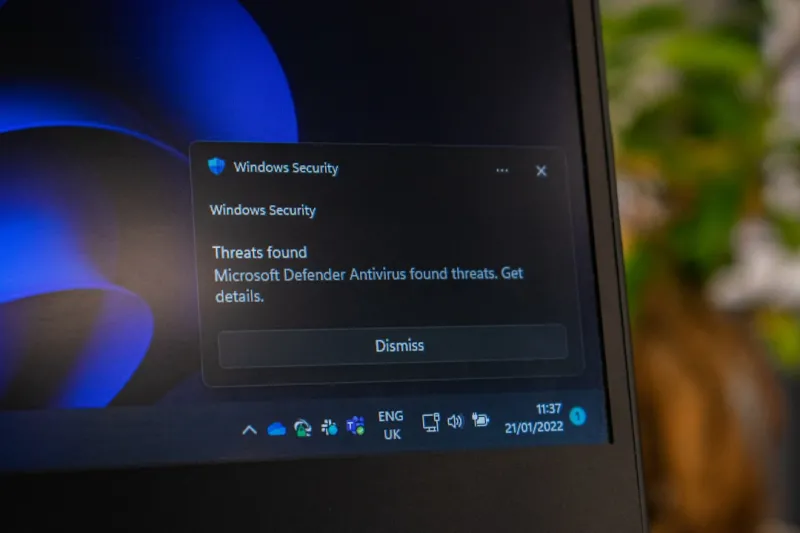
Security, however, remains a double‑edged sword in the Windows realm. While Microsoft has hardened the kernel and introduced advanced threat protection, modern malware has grown more sophisticated, often masquerading as legitimate updates or leveraging supply‑chain vulnerabilities. Power users can no longer rely on traditional antivirus alone; they need a layered defense strategy that includes behavior monitoring, sandboxed execution, and strict privilege separation. In Beyond the Antivirus: Advanced Security Strategies for Power Users, I outline how to combine Windows Defender’s real‑time protection with third‑party EDR tools, enabling you to detect anomalies that would otherwise slip through the cracks. Understanding the OS’s built‑in security primitives—like Credential Guard and Device Guard—allows you to harden the system without compromising the fluidity you love about Windows.
The rise of ransomware and file‑less attacks has forced many to rethink their security posture. Windows 11 now includes hardware‑rooted isolation via TPM 2.0 and Secure Boot, but these features are only as strong as the policies you enforce. By configuring controlled folder access, enabling attack surface reduction rules, and regularly reviewing the Windows Security Center’s health reports, you create a resilient environment that can survive even the most aggressive intrusion attempts. The key is to stay proactive: schedule quarterly audits, keep your drivers and firmware up to date, and leverage the built‑in Event Viewer to spot irregularities early. When you combine these practices with a vigilant mindset, Windows transforms from a potential attack surface into a fortified workhorse that can endure the evolving threat landscape.
Performance tuning on Windows has taken a dramatic leap forward, especially for memory‑intensive workloads like AI model training or large‑scale simulations. The OS now supports Dynamic Memory Allocation, allowing you to allocate RAM on the fly based on application demands, which reduces the need for manual tweaking. In Diagnosing and Fixing RAM Problems: A Power‑User’s Playbook, I detail how to leverage the new Windows Memory Diagnostics tool alongside Resource Monitor to pinpoint bottlenecks. By monitoring standby and active memory pools, you can decide whether a RAM upgrade, a change in paging file configuration, or a tweak to the SuperFetch algorithm will deliver the best performance boost. The result is a smoother, more responsive system that can handle the heavy lifting required by modern development pipelines.
Storage architecture has also seen a renaissance on Windows. With the advent of NVMe 4.0 and the upcoming NVMe 5.0, Windows now natively supports faster queue depths and lower latency, which translates to dramatically quicker load times for large datasets. The OS’s storage spaces feature has been revamped to allow tiered storage pools, automatically moving frequently accessed files to the fastest SSD tier while archiving colder data on larger, cost‑effective HDDs. This hybrid approach lets power users maintain a lean, high‑performance primary drive without sacrificing capacity, an essential balance for anyone juggling massive code repositories and media libraries.
One often‑overlooked advantage of staying on Windows is the seamless integration with enterprise-grade virtualization and cloud services. Hyper‑V has matured into a robust hypervisor that can run multiple isolated environments side‑by‑side, perfect for testing new configurations or sandboxing risky software. Coupled with Azure Arc, you can extend on‑premises Windows workloads to the cloud with a single pane of glass, enabling dynamic scaling and disaster recovery that were once the exclusive domain of Linux‑centric setups. This flexibility means you can prototype, develop, and deploy without ever leaving your familiar Windows desktop, streamlining the entire workflow from concept to production.
For power users who love to tinker, the Windows Terminal has become an indispensable hub, unifying PowerShell, Command Prompt, WSL, and even SSH sessions under a single, highly customizable interface. The terminal now supports GPU‑accelerated rendering, which makes scrolling through massive log files feel buttery smooth, and its settings JSON file lets you version‑control your environment configuration alongside your code. By adopting a modular approach—splitting profiles for dev, sysadmin, and creative tasks—you can switch contexts instantly, reducing cognitive load and keeping you in the zone longer. This level of personalization, combined with the OS’s robust scripting capabilities, turns Windows into a dynamic canvas for automation and rapid iteration.
Looking ahead, future‑proofing your Windows workflow in 2026 means staying attuned to the evolving hardware landscape and Microsoft’s roadmap. Keep an eye on upcoming features like the rumored “Windows AI Core,” which promises deeper integration with on‑device neural processors, and the gradual rollout of “Project Volterra,” aimed at bringing ARM‑based performance gains to x86‑compatible apps. Regularly review the “Critical Tech Updates Every Power User Needs to Act On” feed to ensure you’re not missing essential patches that could unlock new capabilities or close hidden vulnerabilities. By marrying a proactive update cadence with a willingness to experiment with emerging tools, you’ll keep your Windows rig at the cutting edge—ready to tackle tomorrow’s challenges today.