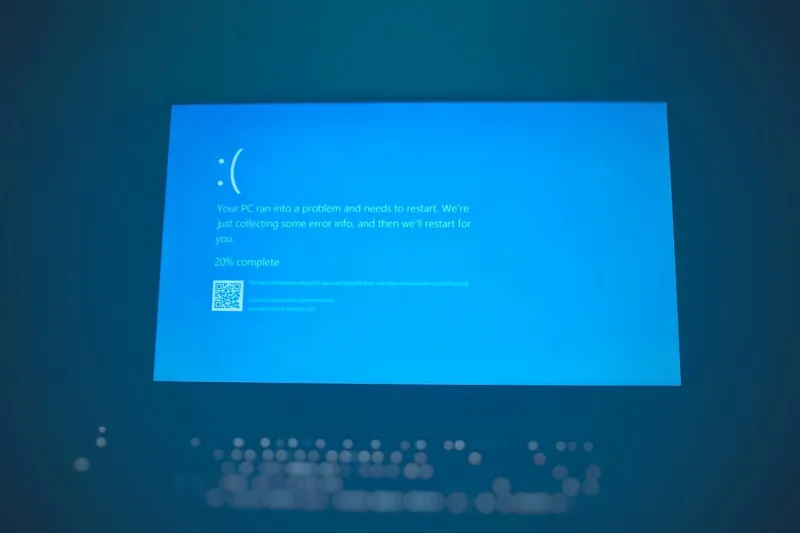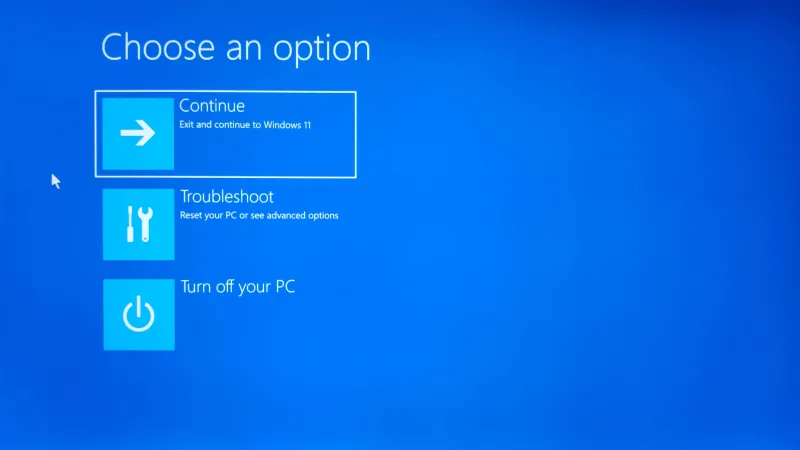
When my workstation flashed that notorious cobalt‑blue hue in the middle of a deadline crunch, my first reaction wasn’t panic—it was curiosity. Over a decade of tinkering, I’ve learned to treat the Blue Screen of Death (BSOD) not as a nightmare, but as a diagnostic billboard screaming for attention. In 2026, the operating system’s error reporting has become more granular, offering hexadecimal codes and driver tags that, if read correctly, point straight to the culprit. This article is my playbook for turning those ominous flashes into actionable intel, so you can stay in the driver’s seat even when Windows throws a tantrum. I’ll walk you through the most common triggers, the power‑user tools that make troubleshooting painless, and the preventive habits that keep those blue nightmares at bay. By the end, you’ll see the BSOD as a useful ally rather than a career‑ending glitch.
Understanding What Triggers a Blue Screen in 2026
The modern BSOD is a symptom, not a disease. In the current Windows ecosystem, the most frequent offenders are faulty memory modules, misbehaving drivers, and rogue firmware updates that clash with the kernel. While hardware failures still dominate, software complexities have surged thanks to AI‑driven services running in the background, each demanding low‑level access. When a driver violates memory protection protocols, the kernel halts to prevent further corruption, flashing that iconic blue canvas. Another sneaky trigger is the new “fast‑boot” mode, which can leave peripherals in an undefined state after a sudden power loss. Recognizing the pattern of the error code—whether it’s a “PAGE_FAULT_IN_NONPAGED_AREA” or a “CRITICAL_PROCESS_DIED”—gives you a head start in pinpointing the root cause. The key is to capture the stop code, timestamp, and any listed driver names before the system reboots, because that snapshot is your roadmap to recovery.
Hardware Checks: Memory, Video, and Beyond
Before you dive into the software maze, verify the physical foundations of your PC. Faulty RAM is still the #1 cause of BSODs, and 2026’s higher‑density DIMMs are more sensitive to voltage spikes. I always run a full memory diagnostic using the built‑in Windows Memory Diagnostic or a third‑party tool like MemTest86+. If errors surface, consult the RAM troubleshooting guide for a step‑by‑step replacement strategy that minimizes downtime. Next, inspect your video card, especially if you’re gaming or running GPU‑accelerated workloads. A failing GPU can corrupt the display driver stack, leading to the dreaded “VIDEO_TDR_FAILURE”. Swap out the card or update the firmware, and keep an eye on temperature thresholds using tools like HWInfo. Finally, don’t overlook the power supply; insufficient wattage can cause intermittent voltage drops that masquerade as driver bugs. A systematic hardware audit often resolves the majority of blue screens before you ever touch the registry.
Software Sleuthing: Drivers, Updates, and Firmware
Once the hardware is cleared, the software layer becomes the next hunting ground. In 2026, Windows updates are more frequent and sometimes introduce subtle driver incompatibilities. I recommend pinning a restore point before each major update and reviewing the update history for any driver changes. If a BSOD appears after a recent patch, roll back the offending driver via Device Manager or use the “Roll back driver” option. Firmware, especially for SSDs and motherboards, now supports “secure boot” features that can interfere with legacy peripherals. Always verify that your BIOS/UEFI firmware aligns with the latest vendor recommendations; a mismatched version can trigger the “UNEXPECTED_KERNEL_MODE_TRAP”. When you encounter an unfamiliar driver name in the stop code, a quick search in the vendor’s knowledge base often reveals known issues and hotfixes. Staying current with driver releases, while also maintaining a fallback plan, keeps your system resilient against blue‑screen cascades.
Leverage Windows 2026 Diagnostic Tools
Windows 2026 introduced a suite of built‑in diagnostics that transform raw error data into human‑readable insights. The “Windows Debugger (WinDbg) Preview” now integrates directly with the Event Viewer, allowing you to open a crash dump with a single click. By loading the symbols for your OS version, WinDbg translates cryptic memory addresses into the exact function that caused the crash. Additionally, the “Device Performance & Health” pane in Settings aggregates driver health scores, alerting you to potential troublemakers before they cause a crash. Pair these tools with the Windows 2026 playbook to master the art of quick dump analysis. Mastery of these utilities reduces mean time to repair (MTTR) dramatically, turning a disruptive event into a brief learning opportunity.
Why Power Users Treat Blue Screens as a Tool, Not a Terror
Adopting a power‑user mindset means re‑framing the BSOD from a catastrophic failure to a diagnostic asset. When a blue screen appears, it’s essentially Windows shouting, “Hey, something just broke—here’s a clue!” By treating each stop code as a puzzle piece, you develop a deeper understanding of your system’s inner workings. This approach fosters proactive maintenance; you begin to anticipate issues based on recurring patterns, such as a particular driver repeatedly appearing in crash logs. The blue screen as a tool philosophy also encourages documentation. Keep a log of error codes, the circumstances leading up to them, and the steps taken to resolve them. Over time, you’ll build a personal knowledge base that speeds up future troubleshooting and reduces reliance on external support.
Rapid Recovery: The Blue Screen Decoding Guide
If you ever find yourself staring at that intimidating blue canvas, the quickest path to recovery is a structured workflow. First, note the stop code and any file names listed. Then, open the “Reliability Monitor” to view a timeline of events leading up to the crash. Next, run a quick memory test if the code references memory (e.g., “MEMORY_MANAGEMENT”). If the crash involves a driver, use the “Driver Verifier” utility to stress‑test all loaded drivers and isolate the faulty one. The blue screen decoding guide offers a concise checklist that you can keep on your desktop for instant reference. By following this methodical approach, you can often resolve the issue without a full system reinstall, preserving your data and productivity.
Preventive Measures: Building a Resilient System
Prevention beats cure every time, especially in a world where software complexity grows exponentially. Start by adopting a regular maintenance schedule: run disk health checks, update drivers monthly, and verify firmware versions quarterly. Use a reputable anti‑malware suite that respects power‑user settings, avoiding over‑aggressive heuristics that can inadvertently destabilize critical system files. Consider implementing a “dual‑boot” or virtualization environment for testing risky updates before they hit your primary machine. Moreover, keep a backup of your system image using tools like Macrium Reflect; a quick restore can be a lifesaver when a rogue update triggers a cascade of BSODs. By integrating these habits into your weekly routine, you’ll drastically lower the incidence of blue screens and enjoy a smoother, more predictable computing experience.
Learning from Every Crash: Turning Data into Insight
Each blue screen leaves a digital footprint that can be mined for actionable insights. Export crash dump files to a centralized logging server and run analytics to detect trends—perhaps a particular hardware model is prone to failure under heavy load, or a specific third‑party driver consistently appears in crash reports. Use this data to inform future hardware purchases and software configurations. For example, if you notice a pattern of “SYSTEM_THREAD_EXCEPTION_NOT_HANDLED” errors linked to a particular network card, you might decide to replace that component during your next upgrade cycle. Sharing these findings with the community, through forums or internal knowledge bases, also contributes to a collective defense against recurring issues. The more you analyze and disseminate the information, the stronger your overall system resilience becomes.
Conclusion: Embrace the Blue, Master the System
In the fast‑moving tech landscape of 2026, the blue screen remains a timeless reminder that even the most robust systems can falter. Yet, with the right mindset and a solid toolbox, you can transform that moment of disruption into a catalyst for deeper system mastery. By systematically checking hardware, leveraging Windows’ advanced diagnostics, and adopting a power‑user philosophy that treats BSODs as valuable data, you’ll minimize downtime and keep your workflow humming. Remember, every crash is an opportunity to refine your setup, update your knowledge, and fortify your defenses. So the next time that cobalt hue flickers across your monitor, greet it with confidence—because you now have the playbook to decode, recover, and emerge stronger.