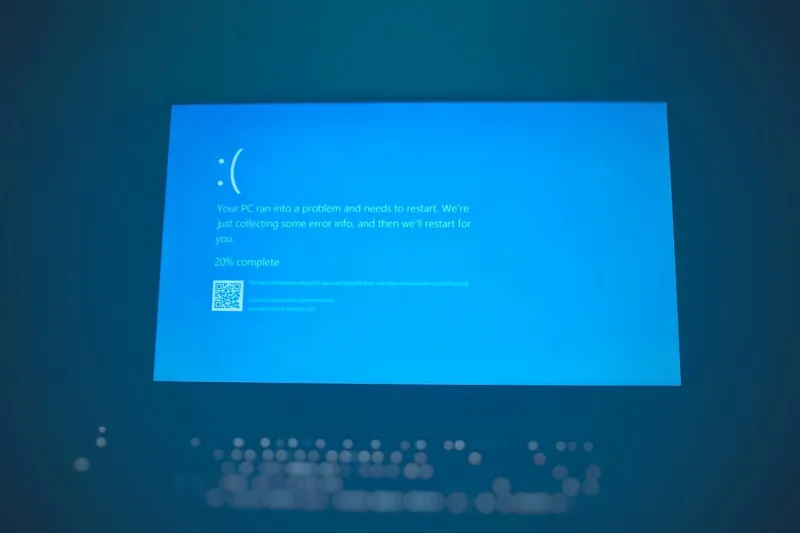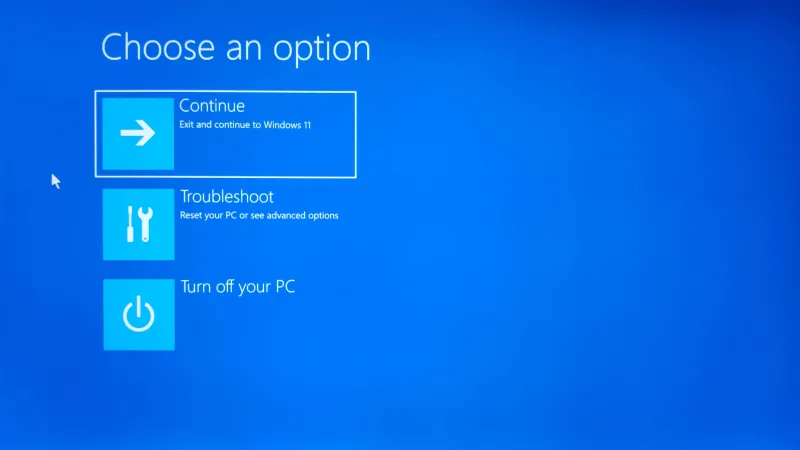
When my workstation spat out that infamous electric‑blue veil last month, I felt that familiar mix of panic and curiosity that only a power‑user can truly appreciate. The Blue Screen of Death (BSOD) isn’t just an error; it’s a cryptic postcard from the underbelly of your system, asking you to decode its message before you lose precious work. In 2026, with AI‑accelerated workloads and PCIe 5.0 devices pushing the envelope, those blue flashes have become both rarer and more insidious. My approach is methodical, almost forensic: I treat each crash as a case file, cataloguing hardware changes, driver updates, and even the latest firmware patches. This mindset has saved me countless hours, and it’s the core of what I’ll share—how to transform a dreaded blue screen into a roadmap for a sturdier, faster rig.
Understanding Why the Blue Screen Still Shows Up in 2026
Even as Windows refines its stability layers, the underlying complexity of modern PCs has surged dramatically. Today’s machines juggle multiple GPUs, high‑speed DDR5 memory, and dedicated AI accelerators, all demanding precise timing and flawless driver communication. Driver incompatibility remains the most common trigger, but it’s now compounded by firmware‑level interactions that were unheard of a decade ago. Moreover, the rise of UEFI Secure Boot and hardware‑rooted security features introduces new failure points when legacy software tries to poke around where it shouldn’t. In my experience, the BSOD is often a symptom of a deeper handshake mismatch—think of it as a diplomatic incident between the OS kernel and a newly installed peripheral. Recognizing that the blue screen is a symptom, not the cause, is the first step toward a durable fix.
Diagnosing the Crash: From Dump Files to Real‑World Fixes
The first thing I do after a BSOD is to capture the minidump that Windows automatically writes to C:\Windows\Minidump. Those tiny files are gold mines; they contain the error code, offending driver name, and a snapshot of the register state at the moment of failure. Using WinDbg or the newer Visual Studio Debugger, I load the dump and run the !analyze -v command. If the output points to ntoskrnl.exe or a generic driver, I dig deeper: is the driver signed? Has it been updated recently? I also cross‑reference the crash timestamp with the Windows Event Viewer to see if any other warnings preceded the incident—perhaps a memory‑related warning or a power‑management event. When I’m stuck, I turn to my go‑to resource for memory issues: memory troubleshooting playbook, which offers a step‑by‑step method for isolating faulty DIMMs or timing mismatches that can provoke a BSOD.
Hardware Health Checks: Motherboard and Power Delivery
Beyond drivers, the motherboard is the nervous system of your PC, and any misfire there can manifest as a blue screen. In 2026, power‑delivery designs have become more sophisticated to accommodate higher‑TDP GPUs and AI chips, but that sophistication also means more points of failure. I always start by verifying that BIOS/UEFI is on the latest stable version—manufacturers are quick to release micro‑code updates that resolve obscure timing bugs. Then I inspect the VRM temperatures under load; overheating VRMs can cause voltage droops, leading the kernel to panic. If you’ve recently swapped to a new motherboard, or even just updated a BIOS, consider reading my guide on future‑proof motherboard setup to ensure your power planes, BIOS settings, and PCIe lane allocations are all harmonized.
When Software Meets Hardware: The Role of Drivers and Firmware
Drivers sit at the intersection of software and hardware, and in the era of AI‑enhanced GPUs, they’re more complex than ever. A single mis‑compiled shader driver can cause a cascade that ends in a BSOD, especially during intensive workloads like real‑time ray tracing or machine‑learning inference. I keep a strict versioning policy: every driver update is first tested on a secondary “sandbox” machine before rolling out to my primary workstation. If a crash points to a specific driver—say, nvlddmkm.sys for NVIDIA cards—I revert to the last known good version and monitor for recurrence. In some cases, the culprit isn’t the driver itself but the firmware embedded in the device. Flashing the latest firmware for your SSD or GPU can resolve hidden bugs that only surface under extreme stress. Keeping a log of driver and firmware versions, along with the exact hardware configuration, speeds up the root‑cause analysis dramatically.
Malware and the Modern BSOD
Modern malware has evolved from simple ransomware to sophisticated threats that manipulate kernel structures, sometimes deliberately triggering a blue screen to hide its tracks or force a system reboot. In my security audits, I’ve seen rootkits that corrupt the System Service Descriptor Table (SSDT), causing the kernel to encounter illegal operations and promptly dump a BSOD. The best defense is a layered, power‑user approach: use reputable endpoint protection, enable Secure Boot, and regularly audit your system’s kernel modules. For a deeper dive into why contemporary malware can weaponize the BSOD, check out why modern malware demands a strategic defense. Understanding the threat landscape helps you not only react to a crash but also preemptively harden your machine against malicious triggers.
Proactive Strategies: Backups, Recovery, and Preventive Maintenance
While diagnosing and fixing a BSOD is essential, the smartest power‑user spends most of their time preventing one. I schedule weekly System Image backups using Windows built‑in tools, coupled with a secondary clone on an external NVMe drive. This ensures that if a kernel panic renders the OS unbootable, I can restore to a known‑good state within minutes. Additionally, I enable System Restore points before any major driver or firmware update, giving me a safety net that’s often overlooked. Regularly running sfc /scannow and DISM /Online /Cleanup‑Image /RestoreHealth cleans up corrupted system files that could otherwise cause instability. Lastly, I keep my security suite updated and run periodic scans with a boot‑time scanner to catch low‑level threats that could corrupt the kernel.
AI‑Powered Diagnostics: The Next Frontier
In 2026, AI isn’t just for gaming or content creation; it’s becoming a vital ally in troubleshooting. Tools like Microsoft’s Azure Diagnostics and third‑party AI log analyzers can ingest hundreds of crash dumps and surface patterns that would take a human hours to uncover. I’ve integrated an AI‑driven dashboard that pulls event logs, driver versions, and hardware telemetry into a single pane, then flags anomalies in real time. When a BSOD occurs, the AI suggests the most probable cause based on historical data—often pointing directly to a specific BIOS setting or a recently installed driver. Embracing these intelligent assistants not only accelerates resolution but also builds a knowledge base that grows stronger with every incident.
Putting It All Together: A Power‑User’s BSOD Playbook
To wrap up, here’s the concise checklist that I keep on my desktop for quick reference whenever that blue glare appears:
- Capture the minidump and run
!analyze -vin WinDbg. - Check Event Viewer for preceding warnings.
- Verify BIOS/UEFI version and VRM temperatures.
- Cross‑reference driver versions; revert if necessary.
- Run memory diagnostics using the memory troubleshooting playbook.
- Update device firmware to the latest stable release.
- Ensure backups and restore points are current.
- Consult AI‑driven diagnostics for pattern recognition.
By following this systematic approach, you turn each blue screen from a nightmare into a learning opportunity, fortifying your rig against future crashes. Remember, in the power‑user world, a BSOD isn’t a dead end—it’s a signal that your system is communicating, and it’s up to you to listen, interpret, and act.