When a Blue Screen Hits, It’s Not Just Panic—It’s Data‑Driven Insight
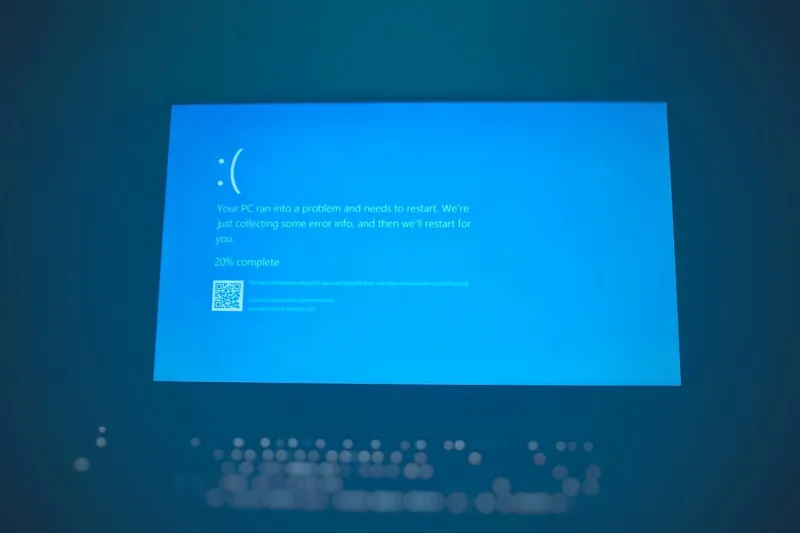
Every time I stare at that ominous cobalt‑blue expanse, I’m reminded that a crash is more than an annoyance; it’s a diagnostic goldmine. In 2026, the sheer volume of telemetry that modern Windows builds dump into the crash dump file means we can actually learn from each fault rather than merely reboot. I start by noting the STOP code, the driver that triggered it, and the memory address involved—details that, a decade ago, were buried in cryptic hexadecimal gibberish. With a power‑user’s mindset, I feed that data into the Windows Debugger (WinDbg) and correlate it against known firmware bugs posted on the Microsoft Insider forums. The result? A clear path to either a driver update, a firmware flash, or a hardware swap before the next reboot. This proactive approach turns the dreaded Blue Screen of Death (BSOD) into a routine health check, keeping my rig humming even under the heavy loads of 4K rendering and AI‑assisted coding sessions.
The Top Three BSOD Triggers in 2026 and How to Preempt Them
Through countless post‑mortems, I’ve boiled down the most common culprits: mismatched GPU drivers, faulty DDR5 memory timings, and legacy BIOS quirks that can’t keep pace with today’s 12‑core CPUs. First, the GPU driver battle has intensified as vendors push ray‑tracing and DLSS 3.5 updates at breakneck speed. My rule of thumb is to lock to the “LTS” (Long‑Term Support) branch unless you need the bleeding‑edge features for a specific workload. Second, DDR5 modules are now sold with aggressive XMP profiles that can overclock the memory controller beyond safe margins, especially on motherboards that haven’t received a 2026 microcode refresh. Running a quick memory troubleshooting playbook with MemTest86 can reveal subtle errors before they cascade into a crash. Finally, legacy BIOS firmware often lacks proper support for the new PCIe 6.0 lanes, leading to sporadic timeout errors that manifest as STOP codes. The remedy is to flash the latest UEFI firmware, which you can usually find on the motherboard manufacturer’s site, and verify the settings against the future‑proof motherboard guide. By addressing these three pillars, you dramatically slash BSOD frequency.
Building a BSOD‑Resilient System: Hardware Choices That Matter
When I design a rig, I treat each component as a piece of a larger reliability puzzle. The CPU must sit on a motherboard that supports its full power envelope without throttling, and the power delivery network (VRM) needs enough phases to handle peak spikes when the GPU dives into a ray‑tracing workload. In 2026, the most reliable platforms are those built on the Z790 chipset paired with 13‑generation Intel or AMD Ryzen 9 7950X3D, because they ship with built‑in mitigation for known microcode bugs that historically triggered BSODs. I also favor motherboards with dual BIOS chips; if a firmware flash goes awry, you can instantly revert without a full reinstall. For storage, NVMe 2.0 drives with a dedicated DRAM cache reduce latency and, crucially, lower the chance of I/O‑related STOP errors that used to plague older PCIe 4.0 models. Finally, I never skimp on a high‑quality power supply with an 80 Plus Platinum rating, as voltage dips are a silent trigger for memory and GPU faults that end in a blue screen. This hardware foundation gives the software layer a stable platform to operate without constantly hitting the panic button.
Software Hygiene: Keeping Drivers, Firmware, and OS in Sync
Even the sturdiest hardware can crumble under outdated software. I run a weekly audit using PowerShell scripts that pull the current driver versions for the GPU, network adapters, and chipset, then cross‑reference them with the manufacturers’ release notes. If a newer driver resolves a known STOP code, I schedule a silent update during off‑hours. The same goes for BIOS and firmware; many vendors now provide auto‑update utilities that can be configured to download but not install automatically, giving you a chance to verify compatibility first. On the OS side, I stay on the Windows 11 Enterprise LTSC channel, which offers a slower cadence of feature updates while still receiving security patches. This reduces the likelihood of a sudden OS change introducing a regression that could cause a BSOD. Additionally, I use the built‑in Windows Security Application Guard to sandbox risky executables, preventing malicious code from corrupting kernel space and triggering a crash.
When Malware Mimics a Blue Screen: Defensive Strategies for Power Users
Modern ransomware and rootkits have grown sophisticated enough to masquerade as legitimate BSODs, luring users into panic and potentially tricking them into paying a ransom. In 2026, the best defense is a layered approach: endpoint detection and response (EDR) tools that monitor for abnormal kernel activity, combined with a strict application allowlist that only permits signed drivers. I also enable Secure Boot with a custom key database, ensuring that only vetted firmware can load during the boot sequence. For added resilience, I keep an offline, encrypted backup of critical system images on a separate NAS, so if a malicious actor does manage to corrupt the OS, I can restore without losing data. Finally, I regularly review the strategic defense guide to stay ahead of emerging threats that specifically target the blue‑screen error handling pathways.
Rapid Recovery: Turning a Crash Into a Five‑Minute Fix
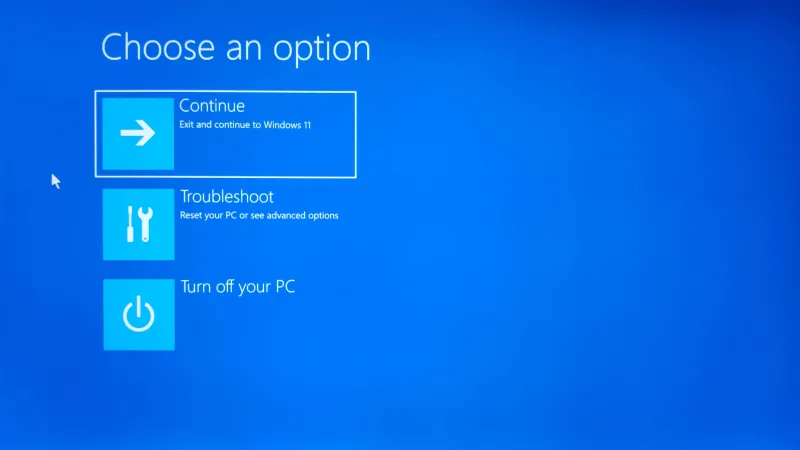
When the blue screen does appear despite all precautions, speed is of the essence. I keep a lightweight USB recovery stick with a pre‑installed WinPE environment, a copy of the latest driver packs, and a script that automatically mounts the system’s SSD, extracts the minidump, and runs WinDbg in batch mode to generate a concise report. This process usually takes under five minutes, after which I can pinpoint the offending module. If it’s a driver, I roll back to the previous stable version; if it’s a hardware fault, I run the built‑in diagnostics that come with the motherboard’s UEFI. The key is to have a repeatable, automated workflow that eliminates the guesswork. For those who want a deeper dive, the Decoding the Blue Screen guide offers step‑by‑step instructions on customizing the crash analysis pipeline to suit any power‑user’s setup.
Learning From Each Crash: Building a Knowledge Base
Every BSOD is an opportunity to enrich a personal knowledge base that can later serve the community. I maintain a markdown‑styled log in a private Git repository, tagging each entry with the STOP code, hardware configuration, and resolution steps. Over time, this evolves into a searchable database that lets me quickly recall how a specific driver version behaved on my system. I also contribute anonymized snippets to the broader tech forums, helping other power users avoid the same pitfalls. The habit of documenting each incident not only accelerates future troubleshooting but also reinforces a proactive mindset: instead of fearing the blue screen, you treat it as a data point that drives continuous improvement in system stability.
Future‑Proofing Against the Next Wave of BSODs
Looking ahead, the industry is already experimenting with AI‑driven predictive failure analysis that can flag potential crashes before they happen. While many of these solutions are still in beta, I’ve started testing a prototype that monitors hardware telemetry in real time and alerts me when temperature, voltage, or error counters approach unsafe thresholds. Coupled with a robust logging framework, this predictive layer could become the next standard for power users who demand zero‑downtime. Until such tools become mainstream, the best defense remains a disciplined approach: keep hardware fresh, maintain software hygiene, and always have a rapid recovery plan ready. By integrating these practices, you’ll not only survive the occasional blue screen but turn each incident into a stepping stone toward an ever‑more resilient PC ecosystem.