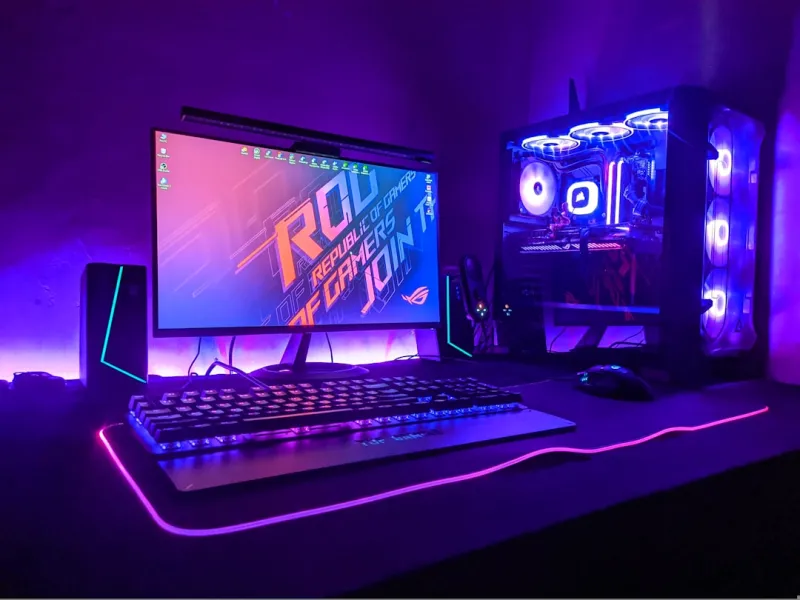
When I first built my rig back in the early 2020s, the mantra was “buy once, upgrade never.” Fast forward to 2026, and that mindset feels almost reckless. The rapid cadence of silicon breakthroughs means a well‑chosen upgrade can extend a system’s relevance by three to five years—if you know where to focus. In my experience, the sweet spot lies not in chasing every headline GPU, but in targeting the components that unlock the most performance per dollar while keeping the platform flexible. Think of your PC as a living organism: the CPU is the brain, the GPU the muscles, and the motherboard the nervous system. Neglect one, and the whole thing suffers. That’s why I’m diving deep into the upgrade path that lets you future‑proof without draining your savings, blending hard data with the practical anecdotes that have kept my own builds humming smoothly through countless game releases and AI‑heavy workloads.
Why Upgrading Still Beats Buying New in 2026
There’s a seductive allure to the “new‑box” approach, especially when retailers flash deep‑discount bundles. Yet, the reality is that component prices have plateaued in many categories, while performance gains are becoming more incremental. By swapping out a bottleneck—say, moving from a mid‑tier Ryzen 7 to a Ryzen 9 7950X3D—you can harvest a 30‑40% uplift in multi‑threaded tasks without re‑architecting the whole system. Moreover, the environmental cost of discarding a perfectly functional chassis and power supply is non‑trivial, a factor that increasingly influences tech‑savvy consumers. Upgrading also lets you retain personal customizations, from custom cooling loops to RGB aesthetics, that you’d otherwise lose in a fresh build. In short, a strategic upgrade is both a financial and emotional win, letting you stay ahead of the curve while keeping your favorite hardware alive.
The Core Pillars: CPU, GPU, and Memory
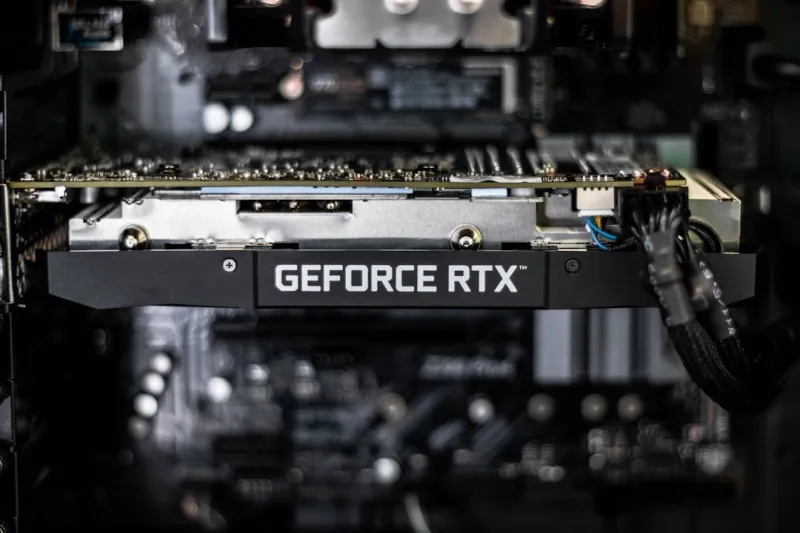
These three components dictate the majority of your performance envelope. The CPU handles the heavy lifting for productivity, AI inference, and game logic, while the GPU dominates rendering, ray tracing, and deep‑learning acceleration. RAM, meanwhile, is the conduit that keeps data flowing without bottlenecks. In 2026, the sweet spot for most enthusiasts lies in an 8‑core, 16‑thread CPU paired with a 12‑GB to 16‑GB GDDR6X GPU, complemented by 32 GB of DDR5‑5600 RAM. This combination offers a balanced experience for both AAA gaming at 144 Hz and content‑creation workloads like video encoding. If you’re a creator leaning heavily into AI, consider a GPU with dedicated Tensor cores; if you game at 4K, prioritize higher VRAM. The key is to identify which pillar is throttling your current usage and upgrade that first—a principle I discuss in depth in my Strategic PC Upgrades for 2026 guide.
Motherboard Mastery: How 2026’s Innovations Redefine the Heart of Your PC
The motherboard has evolved from a passive substrate to an active hub that can shape your upgrade trajectory. Modern boards now feature PCIe 5.0 x16 slots with full bifurcation, allowing two GPUs or an NVMe RAID to share bandwidth without sacrificing performance. Integrated 2.5 GbE and Wi‑Fi 7 adapters mean you no longer need separate network cards for low‑latency gaming or AI‑driven data streams. Additionally, power delivery modules have become more efficient, supporting 125 W CPUs without resorting to massive VRM heatsinks. When selecting a new board, look for robust BIOS support that can handle future CPU sockets via firmware updates—a trend highlighted in the Motherboard Mastery article. A well‑chosen motherboard not only accommodates current upgrades but also leaves room for tomorrow’s breakthroughs, making it the cornerstone of a truly future‑proof rig.
Storage: NVMe Gets Faster, But Do You Need It?
NVMe SSDs have become the default storage choice, with PCIe 4.0 drives now topping 7,000 MB/s sequential read speeds. While these numbers sound impressive, real‑world performance gains plateau after a certain threshold, especially for gaming where load times are already sub‑second. However, for professionals handling 8K video editing or large AI model datasets, the bandwidth can shave minutes off transfer times. My recommendation is a tiered approach: a 1‑TB PCIe 4.0 NVMe for your OS and frequently used apps, paired with a larger SATA SSD or an affordable PCIe 3.0 drive for bulk storage. This hybrid strategy delivers snappy responsiveness where it matters most without inflating your budget.
Power Delivery and Cooling: Silent Yet Powerful
A high‑performance CPU and GPU demand clean, stable power, which means investing in a quality 80+ Gold or Platinum PSU with enough headroom for future upgrades. Look for modular designs to keep cable management tidy—a factor that directly impacts airflow. Speaking of airflow, the shift toward larger, slower‑spinning fans has proven to be a game‑changer for acoustic performance. Coupled with a well‑designed radiator, you can keep temperatures low while maintaining a whisper‑quiet environment. If you’re daring enough, a custom water‑cooling loop not only showcases your personality but also offers the thermal headroom needed for overclocking the latest CPUs without thermal throttling.
Smart Peripheral Integration: From Wi‑Fi 7 to AI‑Driven Networks
Connectivity has leapt forward, with Wi‑Fi 7 promising up to 30 Gbps throughput and ultra‑low latency, a boon for cloud‑based gaming and real‑time AI inference. Pairing this with AI‑driven zero‑trust security models, as outlined in the Network Evolution in 2026 article, ensures your upgraded rig remains both fast and secure. Don’t overlook USB‑4 ports, which combine power delivery, video output, and data transfer into a single connector, reducing cable clutter. Investing in a high‑quality external SSD that leverages USB‑4 can give you portable performance that rivals internal drives, ideal for creators who need to move large files on the fly.
Budget‑Smart Strategies: Getting More Bang per Buck
Even in 2026, savvy shoppers know that timing is everything. Keep an eye on quarterly sales cycles—most manufacturers release refreshes in Q2, driving down prices on previous‑gen parts. Leverage bundle deals that include a CPU and motherboard combo; they often provide a discount of 10‑15% over buying separately. Additionally, consider certified refurbished components from reputable vendors; they’re tested, come with warranties, and can shave hundreds off the price tag. By allocating your budget with a 50‑30‑20 split—50% to the primary bottleneck (usually CPU or GPU), 30% to supporting components (RAM, storage), and 20% to cooling and power—you can maximize performance without overspending.
Testing, Troubleshooting, and Future‑Proofing
After each upgrade, a rigorous validation routine is essential. Run benchmark suites like 3DMark and Cinebench to establish a performance baseline, then compare against pre‑upgrade scores. If you encounter instability, start with RAM diagnostics using tools like MemTest86, as memory errors often masquerade as GPU crashes. For GPU-specific issues, the Why Your GPU Keeps Crashing guide offers a step‑by‑step troubleshooting flowchart. Document your configuration changes in a simple spreadsheet—track BIOS versions, driver releases, and power settings. This habit not only aids immediate troubleshooting but also provides a roadmap for future upgrades, ensuring each new component integrates seamlessly with the existing ecosystem.
Looking Ahead: The Upgrade Mindset for the Next Five Years
The tech landscape in 2026 is a blend of incremental improvements and occasional paradigm shifts, like the rise of AI‑accelerated workloads on consumer GPUs. Embracing an upgrade mindset means staying informed, being flexible with component choices, and always planning one step ahead. Keep tabs on emerging standards—PCIe 6.0, DDR6 memory, and beyond—so you can assess when a jump is worth the investment. Remember, the goal isn’t to chase the newest spec as soon as it drops, but to build a system that scales gracefully with your evolving needs. With the strategies outlined here, you’ll have a roadmap that balances performance, cost, and longevity, turning your PC into a resilient platform that serves both your gaming passions and professional ambitions for years to come.