When I first tore into the world of high‑performance rigs back in the early 2020s, I was chasing the holy grail of raw speed and reliability. Fast forward to 2026, and the landscape feels both familiar and wildly different. The fundamentals—CPU core counts, memory bandwidth, and storage latency—remain the backbone of any serious build, yet the ways we orchestrate them have evolved dramatically. My own workstation now runs a hybrid stack: a flagship 14‑core processor paired with a 64‑GB DDR5 kit that’s been hand‑tuned for low‑latency access, and a pair of NVMe SSDs that talk to each other through PCIe 5.0 like a well‑rehearsed duet. But beyond the specs, the real magic lies in the nuanced decisions that separate a hobbyist from a power user. In this article, I’ll walk you through the strategic choices I make every time I upgrade, why I still keep a 4‑TB enterprise‑grade HDD in the mix, and how you can future‑proof your setup without breaking the bank.
Why Motherboard Architecture Still Rules the Roost
The motherboard is the unsung hero that determines how all other components communicate. In 2026, the market is flooded with boards boasting everything from integrated Wi‑Fi 7 to AI‑enhanced power delivery. My go‑to is a Z‑790‑class board with a robust VRM, dual Thunderbolt 4 ports, and a generous allocation of PCIe lanes. What truly matters, however, is the BIOS firmware—its ability to fine‑tune memory timings, voltage curves, and even GPU power limits. I spend a few evenings after each upgrade diving into the BIOS, tweaking the Load‑Line Calibration to shave off microseconds of latency that add up in demanding workloads like real‑time video rendering. If you’re unsure where to start, check out Mastering Motherboard Selection for Power‑User Performance for a deep dive into chipset nuances and feature trade‑offs.
Memory Mastery: The Art of Getting the Most Out of DDR5
DDR5 has finally matured enough to be a viable option for power users who demand both capacity and speed. The key is not just buying the highest MHz rating, but understanding the relationship between latency, timing, and voltage. I’ve settled on a 6000 MHz kit with CL30 timings, but I don’t just install it and call it a day. Using XMP profiles as a baseline, I manually adjust the secondary timings and tighten the command rate to 1T where the board allows. This hands‑on approach yields a measurable performance bump in memory‑intensive tasks like 3D simulation and large‑scale data analysis. For those who suspect memory issues could be the silent bottleneck, my guide How to Diagnose and Fix RAM Issues Like a Power User walks you through stress‑testing with MemTest86 and interpreting the results.
Storage Strategy: Why a Hard Drive Still Deserves a Place in Your Arsenal
Everyone raves about the blistering speeds of NVMe drives, and rightfully so. Yet, I still allocate a 6‑TB 7200 RPM hard drive for archival and large‑file workloads. The reason is simple: cost‑per‑gigabyte and endurance. While SSDs excel at low‑latency access, they can become expensive when you need terabytes of space for 4K video footage, raw AI datasets, or extensive game libraries. A high‑capacity HDD provides a reliable, low‑cost repository that complements my SSDs’ speed. I partition the drive into a “Media Vault” and a “Backup Cache,” and I use scheduled rsync jobs to mirror critical data from the SSDs nightly. To understand how power users leverage massive storage in 2026, read Hard Drives Still Rule: How Power Users Leverage Massive Storage in 2026 for a deep dive into RAID configurations and caching strategies.
Graphics Power: Balancing Performance and Stability
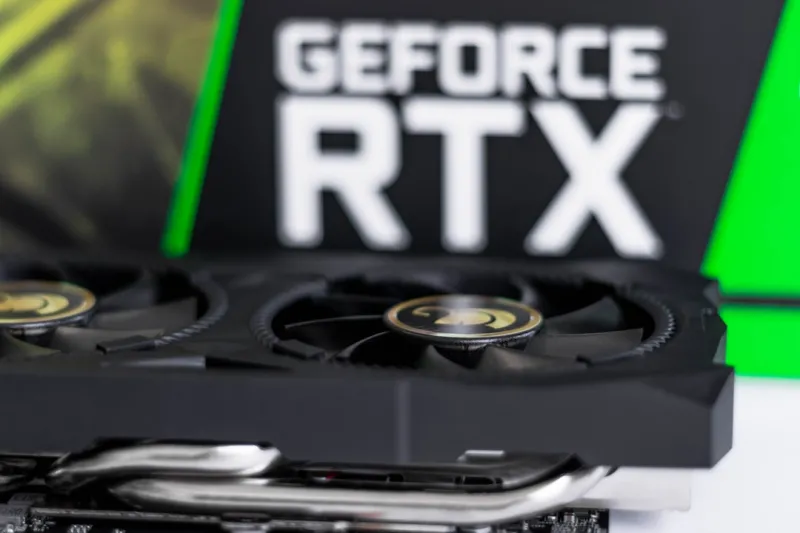
A high‑end GPU can be the heart‑beat of a creative workstation, but it’s also a frequent source of headaches if not managed properly. My current rig runs a RTX 6080 Ti with a custom fan curve that prioritizes silence during low‑load tasks and ramps up aggressively under load. The trick is to keep the GPU’s power draw within the VRM’s sweet spot—overclocking beyond that can cause thermal throttling or even crashes. I use the manufacturer’s profiling software to set a target of 300 W, which leaves headroom for sustained 4K rendering without hitting the thermal ceiling. For those battling unexplained crashes, my post Why Your GPU Might Be Acting Up and How to Fix It Fast outlines a step‑by‑step troubleshooting checklist that saved me countless hours of downtime.
Power Supply Considerations: The Unsung Hero of System Stability
Choosing the right PSU is more than just matching wattage; it’s about delivering clean, consistent power under varying loads. I opt for an 80 PLUS Gold certified unit with a semi‑modular design, which simplifies cable management and reduces airflow obstruction. A common mistake is under‑estimating the transient spikes that GPUs and CPUs generate during peak performance bursts. By adding a small 100 µF electrolytic capacitor near the CPU power connectors, I’ve noticed a smoother voltage curve during intense compute sessions, which translates to fewer unexpected reboots. While the PSU market is saturated with flashy branding, the real metric is the ripple voltage—keep it below 30 mV for optimal longevity.
Cooling Solutions: From Air to Liquid and Back Again
Heat is the enemy of every component, and in 2026, cooling solutions have become both smarter and more aesthetic. I use a hybrid cooling loop: a 360 mm AIO for the CPU paired with high‑static‑pressure fans on the case intake. The key is to maintain positive air pressure, which helps keep dust out of the delicate GPU and motherboard VRMs. I also integrate temperature‑sensing pads on the VRM heatsinks, feeding data back to the motherboard’s fan controller for dynamic adjustments. For those who prefer a fully custom loop, remember that coolant quality matters—use a low‑conductivity, anti‑corrosion fluid to avoid mineral buildup that could impair flow over time.
Security and Encryption: Keeping Your Data Safe While Maintaining Speed
Performance cannot come at the expense of security. With ransomware evolving in 2026, I enable hardware‑based encryption on both my SSDs and HDDs using the drive’s built‑in Opal 2.0 support. Coupled with a TPM 2.0 module on the motherboard, I enforce BitLocker encryption that unlocks only after biometric verification. This setup adds virtually zero latency because the encryption is offloaded to the drive’s controller. For a deeper look at how power users can master encryption without sacrificing throughput, see Encryption Essentials Every Power User Must Master.
Future‑Proofing: Planning for the Next Wave of AI and Cloud Integration
Looking ahead, the next big shift will be the seamless integration of AI accelerators and edge‑cloud workflows directly into the desktop. I’ve begun experimenting with a PCIe‑based AI inference card that leverages the new Tensor Core architecture, allowing me to offload machine‑learning tasks from the CPU and GPU. This not only frees up core cycles for real‑time editing but also reduces power consumption during prolonged training sessions. When selecting components, prioritize PCIe 5.0 slots and ample lane availability, as these will become the highways for AI data. By building with modularity in mind—spare M.2 slots, extra DIMM slots, and a robust power delivery system—you’ll ensure that your rig can adapt to the next generation of compute without a full overhaul.