The Evolution of Hard Drives: A Look Back and a Leap Forward
As we continue to push the boundaries of what's possible with computer hardware, it's easy to overlook the humble hard drive. But the truth is, hard drives have come a long way since their inception. From the early days of spinning disks and magnetic tape to the latest advancements in solid-state technology, hard drives have played a crucial role in the evolution of computing. In this article, we'll take a look back at the history of hard drives and explore what's on the horizon for this critical component.
The Early Days of Hard Drives
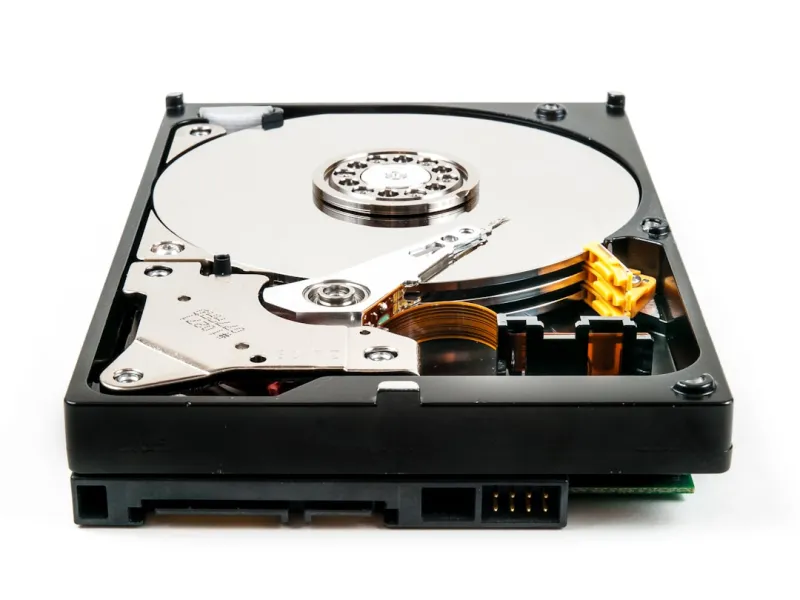
The first hard drive, developed in the 1950s, used a combination of spinning disks and magnetic tape to store data. These early hard drives were massive, with some models weighing in at over 900 pounds and taking up entire rooms. Despite their size, these early hard drives had a capacity of just a few megabytes, a fraction of what we take for granted today. As computing evolved, so did hard drives. The introduction of the floppy disk in the 1960s and the development of the first hard disk drive (HDD) with a spinning disk in the 1970s marked significant milestones in the evolution of hard drives.
The Rise of Solid-State Drives
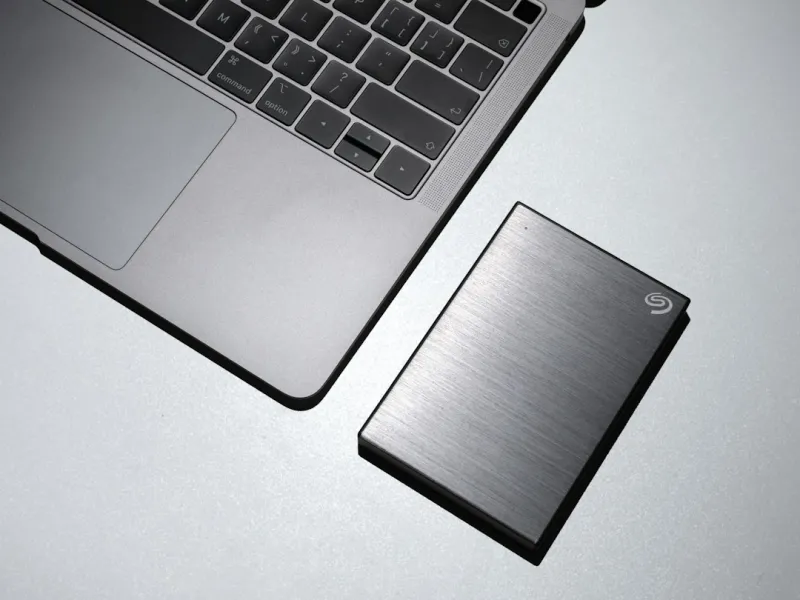
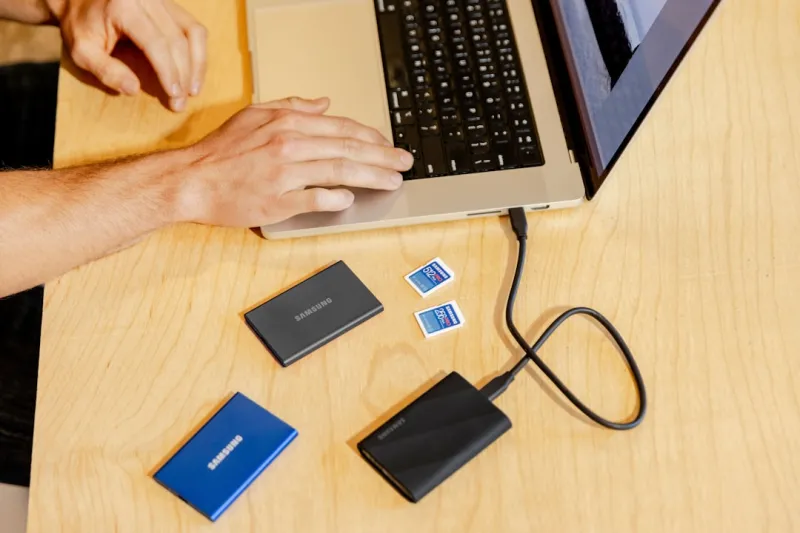
In recent years, we've seen a significant shift towards solid-state drives (SSDs). SSDs use flash memory to store data, eliminating the need for spinning disks and mechanical parts. This has led to faster performance, lower power consumption, and increased reliability. But what really sets SSDs apart is their ability to handle the demands of modern computing. With the rise of artificial intelligence and machine learning, SSDs have become an essential component in many applications. For those looking to upgrade their storage, troubleshooting memory issues can be a great resource.
The Impact of Hard Drives on Computing
Hard drives have had a profound impact on the development of computing. From the early days of mainframe computers to the modern era of personal computing, hard drives have played a critical role in storing and retrieving data. As computers have shrunk in size and increased in power, hard drives have had to adapt. The development of smaller, faster, and more reliable hard drives has enabled the creation of laptops, mobile devices, and other portable computing devices. But with great power comes great responsibility. The increasing reliance on hard drives has also led to concerns about data security and the threat of malware and viruses.
The Future of Hard Drives
So what does the future hold for hard drives? As we look to the next 12 months, it's clear that SSDs will continue to dominate the market. But there are also emerging trends that will shape the future of hard drives. One area to watch is the development of 3D XPoint technology, which promises to deliver even faster performance and higher storage capacities. Another area of focus is security, as hard drive manufacturers look for ways to protect data from increasingly sophisticated threats. For those interested in learning more about the future of computer hardware, the future of motherboards is definitely worth exploring.
The Intersection of Hard Drives and Cybersecurity
As hard drives continue to evolve, it's becoming increasingly clear that cybersecurity is a top priority. With the rise of ransomware and other types of malware, it's more important than ever to protect data. Hard drive manufacturers are responding by developing new security features, such as hardware-based encryption and secure erase capabilities. But there's still more work to be done. For those interested in learning more about the intersection of cybersecurity and computer hardware, the state of computer hardware security is a great resource.
Conclusion
In conclusion, hard drives have come a long way since their inception. From the early days of spinning disks and magnetic tape to the latest advancements in solid-state technology, hard drives have played a critical role in the evolution of computing. As we look to the future, it's clear that SSDs will continue to dominate the market, and emerging trends like 3D XPoint technology and security will shape the future of hard drives. Whether you're a seasoned IT professional or just starting out, understanding the evolution of hard drives is essential for staying ahead of the curve.
Final Thoughts
As we continue to push the boundaries of what's possible with computer hardware, it's essential to remember the humble hard drive. From the early days of computing to the present day, hard drives have played a critical role in storing and retrieving data. As we look to the future, it's clear that hard drives will continue to evolve, and staying informed about the latest trends and advancements is essential for anyone interested in computer hardware. For those looking to learn more, the evolution of computer hardware is a great place to start.