The Future of Motherboards: Trends, Innovations, and Security Concerns
As we continue to push the boundaries of computing, the humble motherboard has evolved to become a critical component in modern systems. With the rise of AI, cybersecurity threats, and increasing demands for performance, motherboards have had to adapt to meet these new challenges. In this article, we'll explore the latest trends, innovations, and security concerns in the world of motherboards, and what you need to know to stay ahead of the curve.
The Evolution of Motherboards
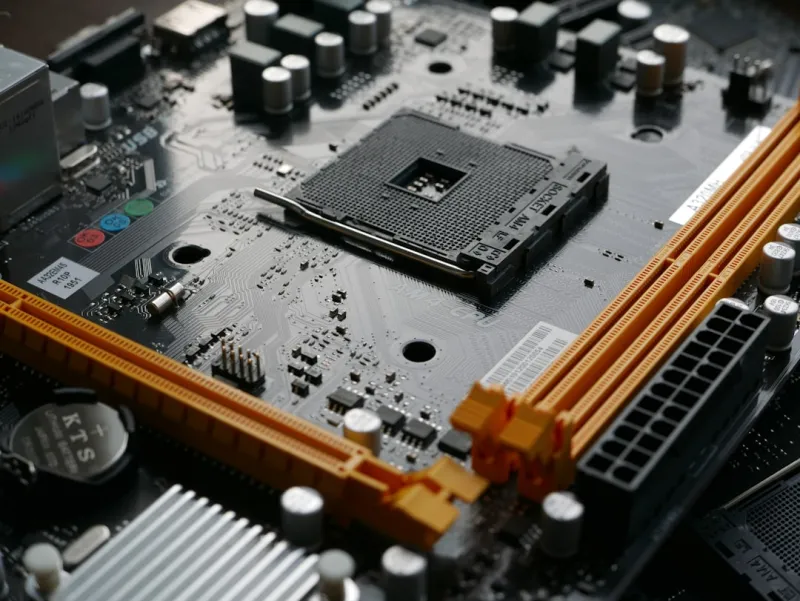
The motherboard has come a long way since its inception. From the early days of computing, motherboards were simple, with limited functionality and a small footprint. Fast-forward to today, and motherboards have become complex, feature-rich, and highly customizable. With the advent of new technologies like USB 4.0, PCIe 5.0, and Wi-Fi 6, motherboards have had to evolve to support these new standards. But it's not just about adding new features; motherboards have also had to become more secure, with built-in safeguards to protect against malware and viruses. For instance, some modern motherboards now come equipped with TPM (Trusted Platform Module) 2.0 for enhanced security.
The Intersection of AI and Cybersecurity
The intersection of AI and cybersecurity is a critical area of concern for motherboard manufacturers. As AI-powered threats become more sophisticated, motherboards need to be equipped with the latest security features to protect against these threats. This includes hardware-based security solutions like secure boot and trusted execution environments. But it's not just about security; AI is also driving innovation in motherboard design, with features like AI-enhanced power management and predictive maintenance becoming increasingly common. To learn more about the intersection of AI and cybersecurity, check out The Intersection of AI and Cybersecurity: A New Era of Threats and Opportunities.
Motherboard Design and Architecture
Motherboard design and architecture have undergone significant changes in recent years. With the rise of modular design, motherboards are now more customizable than ever, with interchangeable components and upgradeable modules. This has made it easier for users to upgrade their systems without having to replace the entire motherboard. Additionally, motherboards have had to become more efficient, with advanced power management features that minimize power consumption while maximizing performance. For example, some motherboards now feature fan control systems that adjust fan speeds based on system temperature.
Memory and Storage
Memory and storage are critical components of any system, and motherboards have had to adapt to support the latest advancements in these areas. With the rise of high-speed memory like DDR5 and storage solutions like NVMe, motherboards have had to be designed with these new technologies in mind. This includes dual-channel and quad-channel memory configurations and multiple M.2 slots for storage. But it's not just about supporting new technologies; motherboards have also had to become more reliable, with built-in diagnostics and error correction features to ensure that memory and storage issues are detected and resolved quickly. If you're experiencing issues with your memory, check out Troubleshooting Memory Issues: A Comprehensive Guide to Fixing Faulty RAM for tips and tricks.
Security Concerns
Security is a top concern for motherboard manufacturers, and for good reason. With the rise of malware and viruses, motherboards have had to become more secure, with built-in safeguards to protect against these threats. This includes secure boot mechanisms and hardware-based security solutions like Intel's SGX and AMD's SEV. But it's not just about protecting against malware; motherboards have also had to become more secure against physical attacks, with features like tamper-evident design and secure firmware updates. For more information on computer hardware security, check out The State of Computer Hardware Security: Threats and Trends.
The Future of Motherboards
So what does the future hold for motherboards? As we continue to push the boundaries of computing, motherboards will have to evolve to support new technologies like AI, 5G, and quantum computing. This will require new materials and advanced manufacturing techniques, as well as innovative design and architecture. Additionally, motherboards will have to become more secure, with built-in safeguards to protect against emerging threats. Whether you're a gamer, a content creator, or just a casual user, understanding the latest trends and innovations in motherboards is critical to getting the most out of your system.
Conclusion
In conclusion, the world of motherboards is rapidly evolving, with new trends, innovations, and security concerns emerging all the time. Whether you're a seasoned pro or just starting out, staying up-to-date on the latest developments in motherboards is critical to getting the most out of your system. By understanding the latest advancements in areas like AI, cybersecurity, and memory and storage, you can make informed decisions about your next system build or upgrade. And if you're experiencing issues with your system, don't forget to check out our comprehensive guides on troubleshooting video cards and other components.