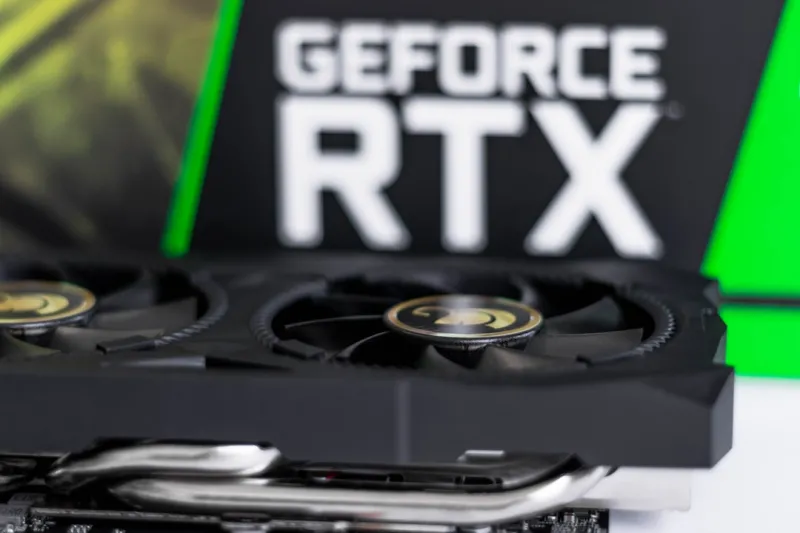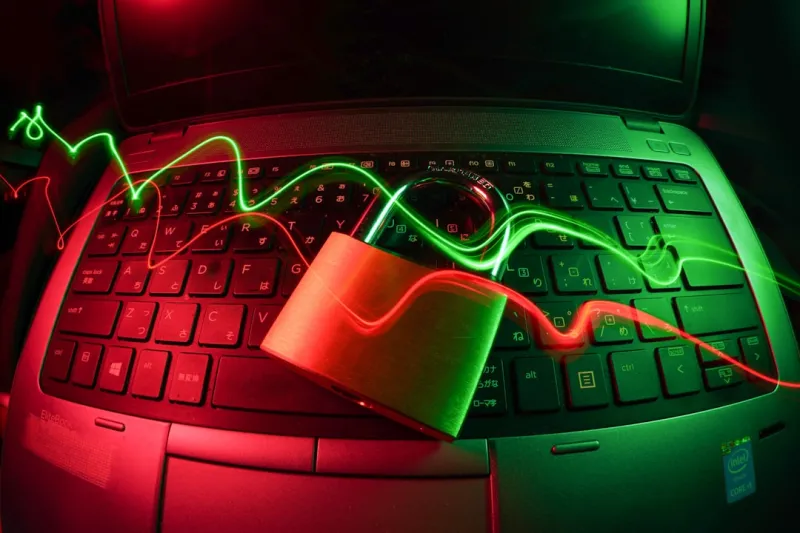
As a computer hardware enthusiast, I'm always excited to see new innovations and advancements in the field. However, with the rapid evolution of technology comes new challenges and threats. One of the most pressing concerns for computer users today is the rising threat of malware and viruses. In this article, I'll explore the current state of computer hardware security, the dangers of malware and viruses, and what you can do to protect yourself.
The Evolution of Computer Hardware Security
The computer hardware landscape has changed dramatically over the years. Gone are the days of bulky desktops and limited processing power. Today's computers are sleek, powerful, and connected to the internet like never before. However, this increased connectivity has also made us more vulnerable to cyber threats. The evolution of computer hardware has brought us faster processors, better graphics, and more storage, but it has also introduced new security risks.
One of the most significant threats to computer hardware security is malware. Malware, short for malicious software, refers to any type of software that is designed to harm or exploit a computer system. This can include viruses, worms, trojans, and ransomware, among other types of malicious code. Malware can spread through infected software downloads, phishing attacks, and even infected hardware. Once a computer is infected with malware, it can lead to a range of problems, from slow performance and data theft to complete system crashes.
The Dangers of Malware and Viruses
Malware and viruses are a serious threat to computer users. They can cause significant damage to your computer and put your personal data at risk. In some cases, malware can even be used to gain unauthorized access to your computer, allowing hackers to steal sensitive information or take control of your system. The consequences of a malware infection can be severe, ranging from financial loss to identity theft. For example, the looming threat of malware and viruses is a serious concern for businesses and individuals alike.
So, what can you do to protect yourself from malware and viruses? The first line of defense is to ensure that your computer and software are up to date. This includes installing the latest security patches and updates, as well as using reputable antivirus software. You should also be cautious when downloading software or opening email attachments from unknown sources, as these can often be used to spread malware. Additionally, consider using a firewall to block unauthorized access to your computer, and use strong passwords to protect your accounts.
The Importance of Keeping Your Computer and Data Secure
Keeping your computer and data secure is crucial in today's digital age. This includes taking steps to protect yourself from malware and viruses, as well as ensuring that your computer is configured correctly and that you have backups of your important data. By taking a proactive approach to computer security, you can help prevent data breaches and other cyber threats. For example, the importance of keeping your computer and data secure cannot be overstated.
Another important aspect of computer hardware security is the use of secure hardware. This includes using secure boot mechanisms, trusted platform modules, and other security features that are built into modern computers. These features can help prevent malware and viruses from infecting your computer, and can also provide an additional layer of protection against cyber threats.
The Future of Computer Hardware Security
As computer hardware continues to evolve, we can expect to see new innovations and advancements in security. For example, the use of artificial intelligence and machine learning is becoming more prevalent in cybersecurity, allowing for more effective detection and prevention of malware and viruses. Additionally, the development of quantum computers and other emerging technologies is expected to bring new security challenges, but also new opportunities for innovation and growth.
In conclusion, computer hardware security is a critical concern for computer users today. The rising threat of malware and viruses requires a proactive approach to security, including keeping your computer and software up to date, using reputable antivirus software, and being cautious when downloading software or opening email attachments. By taking these steps, you can help protect yourself from cyber threats and ensure that your computer and data remain secure.
Finally, it's worth noting that computer hardware security is a constantly evolving field, and it's essential to stay informed about the latest threats and trends. By staying up to date with the latest developments in computer hardware security, you can help ensure that your computer and data remain secure, and that you're protected against the latest cyber threats.
The computer hardware industry is rapidly evolving, and it's essential to stay ahead of the curve. As a computer hardware enthusiast, I'm excited to see what the future holds for this industry, and I'm committed to providing you with the latest information and insights on computer hardware security.
In the meantime, I encourage you to take a proactive approach to computer security, and to stay informed about the latest threats and trends. By working together, we can help create a safer and more secure digital world for everyone.