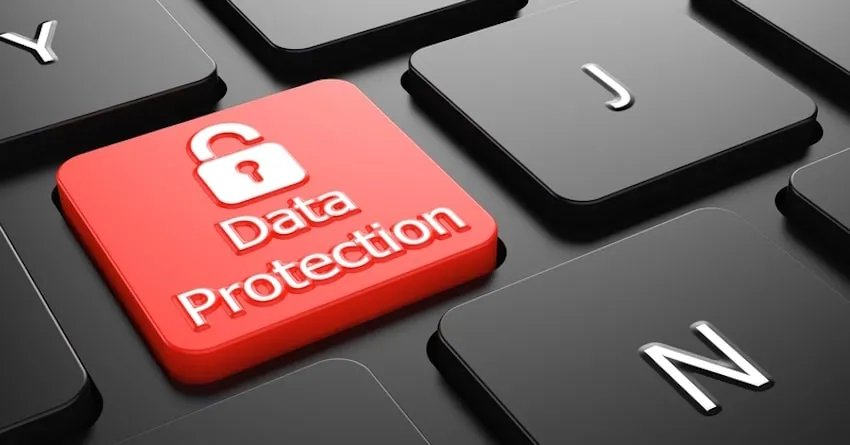
The Importance of Keeping Your Computer and Data Secure
As technology continues to advance and play a larger role in our daily lives, the importance of keeping our computers and data secure has never been more crucial. With the rise of malware, viruses, and other cyber threats, it's essential to take proactive steps to protect ourselves from potential attacks. In this article, we'll explore the current state of computer security, discuss the risks associated with malware and viruses, and provide tips on how to keep your computer and data safe.
The Current State of Computer Security
The current state of computer security is a pressing concern for individuals and organizations alike. With the increasing number of cyber attacks and data breaches, it's clear that no one is immune to the threats of malware and viruses. In fact, according to recent statistics, the number of malware attacks has increased by over 50% in the past year alone. This rise in malware attacks can be attributed to the growing number of connected devices, making it easier for hackers to spread malware and viruses.
The Risks Associated with Malware and Viruses
Malware and viruses pose a significant risk to individuals and organizations, as they can cause a range of problems, from data loss and theft to system crashes and financial losses. Malware and viruses can also be used to gain unauthorized access to sensitive information, such as login credentials and financial data. Furthermore, malware and viruses can be difficult to detect and remove, making it essential to take proactive steps to prevent them from infecting your computer.
Protecting Yourself from Malware and Viruses
So, how can you protect yourself from malware and viruses? The first step is to ensure that your computer and software are up to date. This includes installing the latest security patches and updates, as well as using anti-virus software to scan for and remove malware. It's also essential to be cautious when opening email attachments or clicking on links from unknown sources, as these can often be used to spread malware and viruses. For more information on how to detect and remove malware, check out our article on How to detect Viruses and Malware on your PC or Laptop.
The Role of Hardware in Computer Security
While software plays a critical role in computer security, hardware is also an essential component. The type of hardware you use can significantly impact your computer's security, with some devices being more secure than others. For example, using a solid-state drive (SSD) instead of a traditional hard drive can help to improve your computer's security, as SSDs are less susceptible to malware and viruses. To learn more about the evolution of computer hardware and how it impacts security, check out our article on The Evolution of Computer Hardware: What You Need to Know.
Best Practices for Computer Security
In addition to keeping your software and hardware up to date, there are several best practices you can follow to improve your computer security. These include:
- Using strong passwords and two-factor authentication
- Backing up your data regularly
- Using a reputable anti-virus program
- Being cautious when opening email attachments or clicking on links
- Using a firewall to block unauthorized access to your computer
By following these best practices, you can significantly reduce the risk of your computer being infected with malware or viruses.
The Future of Computer Security
As technology continues to advance, the future of computer security is likely to be shaped by emerging trends and technologies. One area that is likely to have a significant impact on computer security is artificial intelligence (AI). AI-powered security systems will be able to detect and respond to threats in real-time, helping to prevent malware and viruses from infecting computers. For more information on the future of computing and emerging trends, check out our article on The Future of Computing: Trends to Watch in the Next 12 Months.
Common Causes of Computer Security Breaches
Despite taking proactive steps to protect your computer and data, breaches can still occur. Some common causes of computer security breaches include:
- Phishing attacks
- Weak passwords
- Outdated software and hardware
- Unauthorized access to sensitive information
By understanding the common causes of computer security breaches, you can take steps to prevent them from occurring.
Conclusion
In conclusion, keeping your computer and data secure is an ongoing process that requires attention and effort. By staying informed about the latest threats and taking proactive steps to protect yourself, you can significantly reduce the risk of your computer being infected with malware or viruses. Remember to keep your software and hardware up to date, use strong passwords and two-factor authentication, and be cautious when opening email attachments or clicking on links.