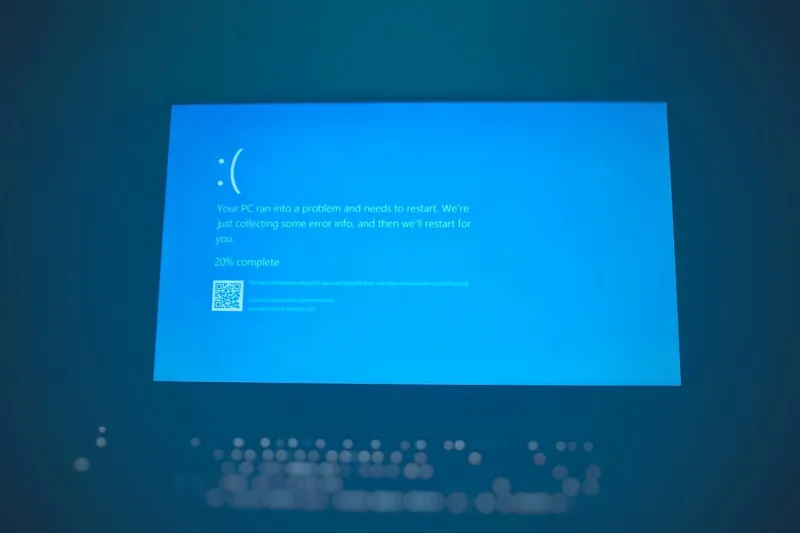
When my workstation flashes that dreaded blue canvas of error text, the first thing that hits me isn’t panic—it’s a familiar surge of curiosity. As a power‑user who spends the better part of every day juggling multiple VMs, AI‑enhanced dev stacks, and a relentless torrent of data, a single blue screen can grind an entire workflow to a halt. In 2026, the hardware landscape is richer than ever, yet the underlying complexity of the Windows kernel remains a fertile ground for crashes. My goal with this post is to peel back the layers of the infamous BSOD, share a diagnostic playbook that I’ve refined over years of troubleshooting, and arm you with preventive habits that keep your rig humming. You’ll get a blend of hands‑on tips and strategic insight, all framed from the perspective of someone who treats his machine as an extension of his own problem‑solving mind.
Why the Blue Screen Still Haunts Power Users
At its core, a blue screen is Windows’ way of saying “I’ve encountered a fatal error I can’t recover from without rebooting.” The operating system halts the offending process, dumps a snapshot of memory, and presents an error code that, in theory, points directly to the root cause. In practice, those cryptic codes—like 0x0000007B or 0x0000001E—can feel like riddles. What’s changed in 2026 is the integration of AI‑driven diagnostics that can suggest probable culprits based on system telemetry, but the fundamentals remain the same: a low‑level fault in hardware, drivers, or core OS components. For power users, the stakes are higher because any downtime reverberates across multiple projects, cloud syncs, and collaborative pipelines. Understanding the “why” behind the BSOD transforms a momentary panic into a systematic problem‑solving exercise, allowing you to react quickly and keep momentum.
Decoding the Error: What the BSOD Is Trying to Tell You
Every BSOD delivers a handful of clues: a stop code, a brief description, and often a list of drivers or modules that were active at the crash moment. In 2026, Windows logs these details in the WinRE environment and the Event Viewer under the “System” channel, where you’ll see entries tagged with “BugCheck.” The stop code is your primary breadcrumb—MEMORY_MANAGEMENT points to RAM or page file issues, while DRIVER_IRQL_NOT_LESS_OR_EQUAL usually implicates a misbehaving driver. Don’t overlook the “BugCheck Parameter” values; they can hint at offending memory addresses or device IDs. Leveraging built‑in tools like Windows Debugger (WinDbg) or the newer WSL‑based debug console lets you translate those hexadecimal values into human‑readable insights. The key is to capture the dump file immediately—using the “Create Dump File” option in the crash dialog—so you can analyze it before the system overwrites the buffer with the next reboot.
Hardware Culprits: RAM, Storage, and GPU
When I first started tracing a series of blue screens, the most common denominator was memory. Faulty RAM modules, mismatched timings, or even a mis‑configured BIOS setting can trigger the dreaded MEMORY_MANAGEMENT stop code. If you suspect memory, run a thorough Diagnosing RAM problems routine: MemTest86+ for extended stress, Windows Memory Diagnostic for quick checks, and verify that XMP profiles match the manufacturer’s specifications. Storage also plays a role—corrupt sectors on an SSD can cause the kernel to read invalid data structures, leading to a crash. Use the built‑in chkdsk /f /r utility or third‑party tools that support NVMe SMART analysis. Finally, GPU drivers, especially those pushing the latest ray‑tracing features, are notorious for causing DRIVER_IRQL_NOT_LESS_OR_EQUAL errors. Keeping firmware up to date and testing with a known‑good driver version can isolate whether the graphics stack is the offender.
Software Slip‑Ups: Drivers, Updates, and System Settings
Even with flawless hardware, software mismatches can still bring down the entire system. In 2026, the rapid cadence of driver releases—particularly for AI accelerators and high‑performance networking cards—means that a single outdated or overly aggressive driver can clash with Windows’ kernel mode components. The VIDEO_TDR_FAILURE stop code, for instance, often surfaces after a new graphics driver fails to recover from a timeout. Regularly audit your driver stack with tools like DriverView and cross‑reference against the latest releases on vendor sites. Windows updates themselves have become smarter, but they occasionally introduce regressions that affect low‑level subsystems. If a BSOD follows a recent patch, consider rolling back or pausing updates temporarily. For power users who demand maximum stability, the Unlocking Windows potential guide offers a curated list of settings—such as disabling fast startup, tweaking memory dump configurations, and enabling the “Enable Kernel DMA Protection” flag—that reduce the likelihood of driver‑related crashes.
A Step‑by‑Step Diagnostic Playbook
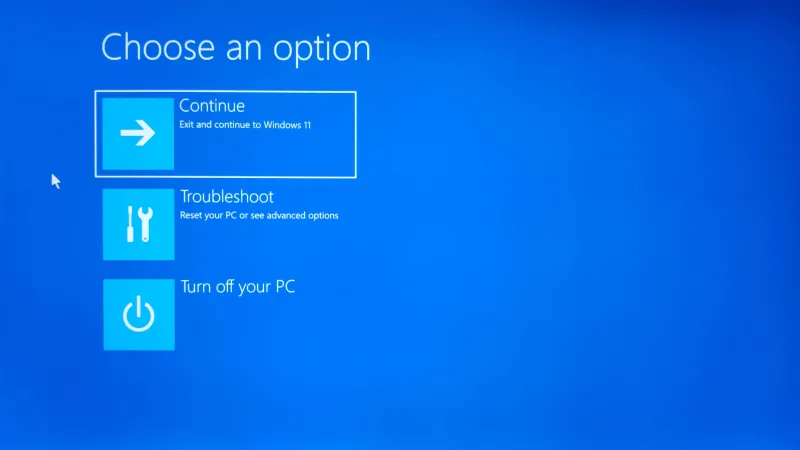
Here’s a repeatable workflow that I follow whenever a blue screen appears: (1) Capture the dump file—use systemsettings > Recovery > Advanced startup > Restart now to boot into WinRE and select “Create memory dump.” (2) Open the dump in WinDbg, run the !analyze -v command, and note the “Probably caused by” line. (3) Cross‑check the implicated driver or module against the list of recent changes—new software installs, driver updates, or BIOS tweaks. (4) If RAM is mentioned, execute a full MemTest86+ cycle, preferably overnight, to rule out intermittent bit flips. (5) For storage‑related codes, run chkdsk and a SMART health check using tools like CrystalDiskInfo. (6) Validate that all firmware—BIOS, SSD, GPU—matches the vendor’s latest release. (7) If the culprit remains elusive, isolate variables: boot into a clean Windows image on a separate drive, or use a Linux live USB to see if the hardware behaves consistently. This systematic approach transforms a cryptic crash into a series of concrete actions you can verify and repeat.
Proactive Maintenance: Keeping Your Rig Future‑Ready
Prevention beats cure, especially when you rely on your machine for high‑stakes workloads. Start with a regular cleaning schedule—dust buildup on CPU coolers and VRM heatsinks can cause thermal throttling that destabilizes the system under load. Monitor temperatures in real time with tools like HWInfo, and set alerts for any component crossing its safe threshold. Power delivery matters, too; a high‑efficiency 80+ Gold PSU with sufficient amperage on the +12 V rail prevents voltage sag during peak GPU or CPU draws. When you’re ready for a hardware refresh, consult the Strategic PC upgrades guide to prioritize components that deliver the biggest stability dividends—fast DDR5 RAM with low latency, NVMe SSDs with endurance ratings above 1 PB, and motherboards that support BIOS‑level memory training. Additionally, schedule a quarterly review of driver versions and Windows optional updates; a disciplined update cadence can catch incompatibilities before they manifest as a BSOD.
When to Pull the Plug and Replace Components
Even the most diligent maintenance won’t stave off component fatigue forever. Certain warning signs scream “time to replace”: frequent ECC errors on server‑grade RAM, SMART attributes like “Reallocated Sectors Count” climbing beyond manufacturer thresholds, or a GPU that consistently hits thermal limits despite adequate cooling. If you notice a pattern of BSODs that trace back to the same hardware module after multiple diagnostic cycles, treat it as a hardware failure rather than a software quirk. In my experience, swapping out a suspect RAM stick or upgrading to a newer SSD often resolves a cascade of unrelated errors that had been masquerading as driver issues. Keep a spare set of critical components—especially a known‑good RAM module and a backup boot drive—so you can perform a quick swap and get back to productivity while you source a permanent replacement.
Security Threats That Can Trigger a BSOD
Modern malware has become sophisticated enough to target low‑level system structures, deliberately corrupting kernel memory to cause crashes that hide the attacker’s footprints. A malicious rootkit can overwrite critical driver tables, leading Windows to hit a CRITICAL_STRUCTURE_CORRUPTION stop code. While the average user may never see this, power users who regularly download and test unsigned binaries are at higher risk. Mitigate this by enabling Secure Boot, keeping your anti‑malware suite updated, and isolating experimental software in sandboxed VMs. Regularly audit startup entries with Autoruns and run a full system scan after any suspicious behavior. By treating security as a core component of stability, you reduce the chance that a hidden threat will manifest as a blue screen.
Looking Ahead: Blue Screens in an AI‑Driven Desktop Era
As we move deeper into an AI‑augmented computing world, the kernel will increasingly juggle heterogeneous workloads—real‑time inference, massive data streams, and quantum‑ready accelerators. This convergence raises the stakes for stability, but it also brings smarter diagnostic tools that can predict failures before they happen. In 2026, Microsoft’s Telemetry AI can analyze patterns across millions of devices to flag emerging firmware bugs, giving power users early warnings via Windows Update channels. Embracing these predictive features, while maintaining a disciplined maintenance routine, positions you to stay ahead of the blue‑screen curve. Remember, each crash is an opportunity to refine your system’s resilience. By applying the strategies outlined here, you’ll not only fix the current issue but also build a more robust foundation for the demanding workloads of tomorrow.