When you’ve spent countless evenings tweaking shaders, overclocking cores, and chasing that elusive 144 Hz sweet spot, a glitchy video card feels like a betrayal. In 2026, the GPU landscape is more sophisticated than ever—ray‑tracing, DLSS‑5, and AI‑driven upscaling make the graphics pipeline a living, breathing beast. Yet, the fundamentals of troubleshooting haven’t changed: power delivery, driver hygiene, and thermal management still rule the roost. I’m Shawn DesRochers, and after years of rescuing rigs that refused to render, I’ve distilled my approach into a repeatable process that saves both time and sanity. In this post, I’ll walk you through the symptoms that scream “GPU distress,” the diagnostic tools that cut through the noise, and the proven fixes that keep your frame rates smooth and your stress levels low.
Recognizing the Early Warning Signs
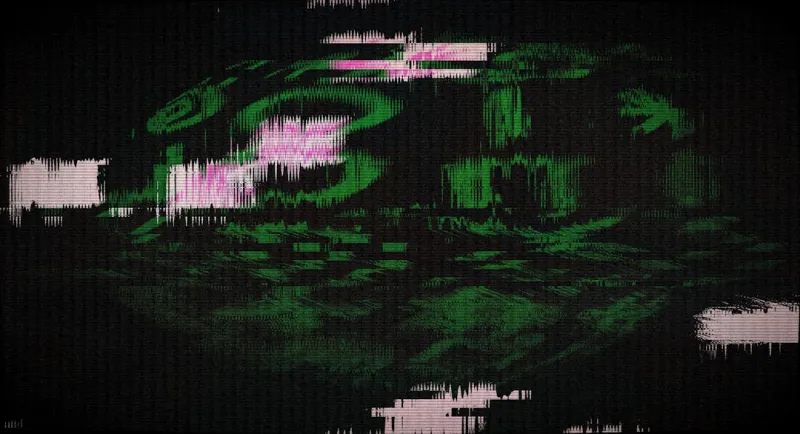
Before you can fix a problem, you need to know it’s happening. Common cues include sudden frame‑rate drops, artifacting that looks like a digital snowstorm, driver crashes that throw a cryptic “Display driver stopped responding and has recovered” message, and even system reboots that seem unrelated to any other hardware. In my experience, the most deceptive symptom is the “quiet” one: the system boots fine, but games feel sluggish compared to the previous night’s benchmark. This often points to a background process hogging GPU memory or a silent thermal throttling event. Keep an eye on the Windows 12 Performance Monitor (yes, it’s finally live in 2026) to spot spikes in GPU usage when the system should be idle. When these red flags appear, it’s time to move from guesswork to a systematic check‑list.
Step‑One: Clean the Physical Environment
Dust is the silent assassin of modern GPUs. Even a thin layer on the heatsink can raise temperatures by 10‑15 °C, forcing the card to throttle. I always start by powering down, unplugging, and using a can of compressed air to blast out the dust from the fan blades, heat pipes, and PCIe slot. While you’re there, inspect the power connectors—any looseness can cause intermittent power loss that manifests as driver crashes. If you notice discoloration or a burnt smell, replace the cables immediately; cheap third‑party adapters are often the culprits. After cleaning, reassemble and power up, then run a quick step‑by‑step guide to troubleshooting video cards to confirm the hardware is physically sound before diving into software.
Step‑Two: Validate Driver Health
The driver ecosystem in 2026 is a moving target. NVIDIA’s Studio Drivers, AMD’s Adrenalin 2026, and the emerging Intel Arc drivers all release bi‑monthly updates that bring performance boosts and critical bug fixes. However, the “latest is best” mantra can backfire; a fresh driver may introduce regressions that cripple specific game titles. My rule of thumb: keep a stable driver version archived and revert if the newest release causes instability. Use DDU (Display Driver Uninstaller) in safe mode to purge all remnants, then install the driver you trust. After installation, run GPU-Z and the built‑in Windows 12 Device Manager to verify the driver version, bus interface, and VRAM allocation. If you see a mismatch—say, the driver reports 8 GB while your card has 12 GB—something went wrong, and you should repeat the uninstall‑install cycle.
Step‑Three: Stress Test the Card
Once the drivers are clean, it’s time to push the card to its limits. Tools like Unigine Heaven and 3DMark Time Spy Ultra have been updated for the AI‑upscaling pipelines we rely on today. Run a benchmark while monitoring temperatures, clock speeds, and power draw via MSI Afterburner. If you see the clock frequency dip dramatically under load, you’re likely throttling due to inadequate power or cooling. A consistent failure at a specific stress point often indicates a faulty VRM or a sagging PCB. Document the temperature ceiling; in 2026, most modern GPUs should stay below 85 °C under sustained load. Anything higher warrants a re‑examination of your case airflow or a possible reseating of the cooler.
Step‑Four: Check System Compatibility
Even the most robust GPU can suffer if the rest of the system isn’t up to snuff. BIOS updates for motherboards now include enhanced PCIe 5.0 lane management, which can affect bandwidth for high‑end cards. Verify that your BIOS version aligns with the manufacturer’s recommendation for your GPU model. Additionally, power supplies must meet the new 450 W minimum for RTX 5000‑series equivalents, and the 12‑V rail should have enough headroom for peak draw. Use a power meter or the PSU’s internal telemetry (if available) to confirm you’re not flirting with the limits. A common oversight is neglecting the new Windows 12 power profiles, which can inadvertently cap GPU performance in favor of energy savings.
Step‑Five: Software Conflicts and Overlays
Overlay applications—Discord, GeForce Experience, AMD Radeon Software, and even some streaming tools—inject code into the rendering pipeline. While they’re convenient, they can clash with the AI upscaling engines introduced this year. If you experience stutters after a recent overlay update, disable it temporarily and test the game. Similarly, background recording utilities can hog VRAM, leading to out‑of‑memory errors. I’ve found that a clean boot—disabling all non‑essential startup services—often isolates the offending program. For power users, maintaining a lean software stack is part of the workflow; it’s why I reference my ultimate PC upgrade playbook as a checklist for both hardware and software hygiene.
When All Else Fails: RMA or Replacement
If you’ve exhausted cleaning, driver cycles, stress testing, and compatibility checks, and the GPU still misbehaves, it may be time to consider a return. Warranty terms have improved; most manufacturers now offer a 3‑year RMA window, and the process is streamlined through online portals. Before you ship, capture logs from Windows Event Viewer, screenshots of error messages, and benchmark results. This evidence accelerates the RMA approval and helps the tech team pinpoint whether the defect is silicon‑based or a peripheral issue. Remember to back up any custom BIOS profiles you’ve created; you’ll need to re‑flash them onto the replacement unit.
Future‑Proofing Your GPU Strategy
Looking ahead, the GPU market is pivoting toward modular designs and AI‑centric compute blocks. Investing in a card with a robust VRM, ample VRAM, and support for the latest PCIe 5.1 standard will buffer you against upcoming game engines that lean heavily on real‑time ray tracing and neural network inference. Pairing your GPU with a high‑quality power supply and a case that offers directional airflow ensures that you won’t be caught off‑guard by the next generation of thermal demands. I also advise setting up a regular maintenance calendar—quarterly dust removal, semi‑annual driver rollbacks, and annual BIOS reviews—to keep your rig in peak condition for years to come.
Wrapping Up: A Power‑User’s Mindset
At its core, troubleshooting a video card is about cultivating a methodical mindset. It’s easy to blame software when the hardware is the real culprit, or vice versa. By systematically isolating variables—physical, firmware, driver, and software—you turn a chaotic problem into a series of manageable steps. This approach not only gets your games back to buttery‑smooth performance but also deepens your understanding of the PC ecosystem, making you a more resilient power user. If you’ve found any of these tips helpful, dive deeper into my guide on fast video‑card fixes, and keep the conversation going in the comments. Happy gaming, and may your frames always be high.