When I first powered up my rig in 2026 and watched the screen flicker like a malfunctioning neon sign, I knew the video card was trying to tell me something. As a self‑declared power‑user, I’ve learned that a misbehaving GPU isn’t just an inconvenience—it can cripple workflows ranging from high‑frame‑rate gaming to AI‑accelerated rendering. In this deep dive I’ll walk you through the most common culprits, the diagnostic tools that actually matter, and the step‑by‑step fixes that have saved me countless hours. Expect a blend of practical, hands‑on advice and the broader strategic perspective that comes from building and maintaining future‑proof systems. By the end you’ll be able to spot a failing VRAM module, diagnose driver corruption, and decide whether a simple tweak will suffice or if it’s time to pull the plug and replace the card. Let’s get into the gritty details before your next frame drops.
Understanding Common Video Card Problems
First, get a clear picture of the symptoms. A sudden loss of display, artifacting (those colorful squares that look like a broken TV), or random system crashes often point to a GPU issue. In 2026, many users mistake these signs for software glitches, but the hardware layer is frequently the real suspect. Pay attention to when the problem occurs: during intensive 4K gaming, while training a diffusion model, or even during idle desktop use. The pattern tells you whether thermal throttling, power delivery, or firmware bugs are at play. For instance, if artifacts appear only under load, the cooling solution is likely inadequate. If the screen goes black after a Windows update, a driver‑OS incompatibility could be the root cause. Document the exact error messages, if any, and note the ambient temperature of your workspace—these details will streamline the troubleshooting process and prevent you from chasing red herrings.
One of the most overlooked diagnostics is the built‑in GPU health monitoring tools. Applications like GPU-Z, MSI Afterburner, and the newer Comp Doc diagnostics suite provide real‑time readouts of clock speeds, voltage, temperature, and memory usage. By logging these metrics during a crash, you can pinpoint whether the card is overheating, experiencing voltage droops, or hitting a memory bandwidth ceiling. In my own experience, a sudden spike to 95 °C followed by an immediate shutdown was the smoking gun for a failing fan bearing. Conversely, a stable temperature paired with random driver timeouts often indicated corrupted firmware or a mismatch with the latest Windows 12 kernel. Keeping a systematic log, even a simple spreadsheet, pays dividends when you need to present evidence to a vendor for an RMA.
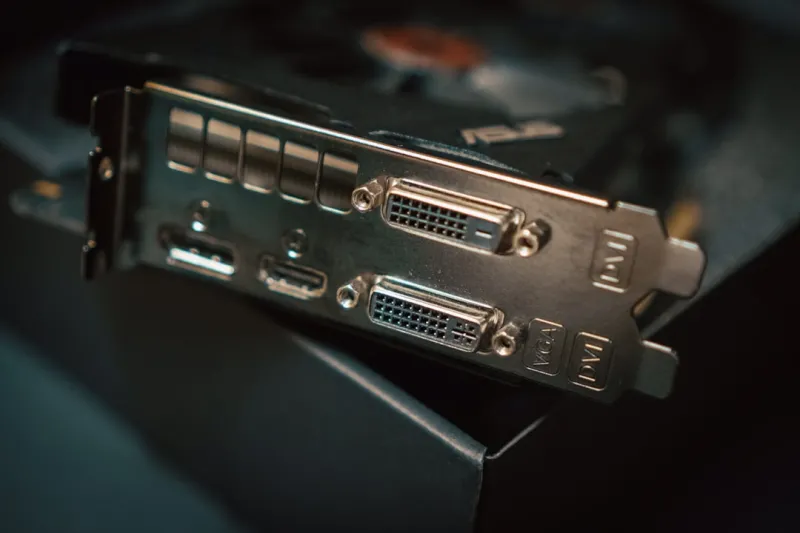
Before diving into deep fixes, it’s essential to rule out the simplest variables. Start by reseating the GPU: power down, unplug, and gently remove the card, then reinstall it ensuring the PCIe slot latches securely. Verify that the supplemental power connectors are firmly plugged—loose 8‑pin or 6‑pin connections are a common source of intermittent power loss. Also, double‑check your display cable; a frayed DisplayPort or a bent HDMI pin can masquerade as a GPU failure. A quick visual inspection for dust, bulging capacitors, or burnt smells can save you hours of unnecessary software tinkering. These low‑effort steps often resolve what appears to be a catastrophic hardware issue, especially on rigs that have been moved or serviced recently.
Deep‑Dive Diagnostics and Fixes
When the basics don’t clear the fog, it’s time to address driver integrity. In 2026, NVIDIA’s Studio Driver and AMD’s Radeon Software Adrenalin have become more intertwined with the Windows 12 graphics stack, meaning a single misstep can cripple performance. I recommend a clean driver install: uninstall the existing driver with DDU (Display Driver Uninstaller) in safe mode, then download the latest stable release directly from the manufacturer’s site. Avoid “beta” or “Game Ready” versions unless you’re specifically testing new features, as they can introduce regressions. After reinstall, run a benchmark like 3DMark Time Spy to establish a performance baseline. If you notice a dip, roll back to the previous driver and log the change—sometimes the newest driver isn’t the best for older silicon, especially on GPUs that pre‑date the latest architectural tweaks.
Power delivery and BIOS settings are the next frontier. Modern motherboards expose GPU voltage controls and PCIe link speed options in the BIOS. For a card that’s consistently under‑clocking, enable the “Force PCIe Gen 3” setting to avoid compatibility hiccups with older GPUs. Likewise, ensure that the V‑core and power limit sliders in your overclocking suite are set to the manufacturer’s recommended defaults; an aggressive power limit can cause the card to shut down under load, mimicking a hardware fault. If you’re comfortable flashing the GPU’s VBIOS—a risky but sometimes necessary step—use the official tool from the card maker and verify the checksum before proceeding. An updated VBIOS can resolve stability issues introduced by newer game engines or AI workloads that push the memory controller beyond its original specifications.
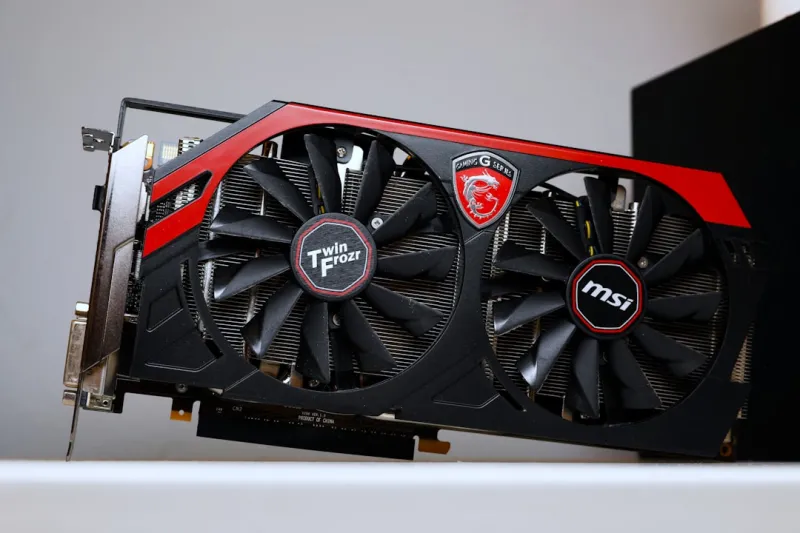
Thermal management often feels like a never‑ending battle, especially with the rise of AI‑accelerated workloads that keep the GPU at 100 % utilization for hours on end. Begin by cleaning the heatsink and fan assembly with compressed air; even a thin layer of dust reduces airflow dramatically. If temperatures stay above 85 °C under load, consider re‑applying a high‑quality thermal paste like Arctic MX‑5, and verify that the fan curve in your overclocking software ramps up aggressively past 70 °C. In some cases, adding a supplemental case fan that directs cool air over the GPU can shave off 10–15 °C. For the truly demanding users—those running large language models or real‑time ray tracing—invest in a liquid‑cooling bracket designed for your specific GPU model. This not only keeps temperatures in check but also extends the card’s lifespan, a crucial factor when you’ve already committed to a high‑end investment.
Future‑Proofing and When to Walk Away
Even after exhaustive troubleshooting, there comes a point where the cost‑benefit analysis tips toward replacement. If your GPU is more than five years old, lacks support for DirectX 13, or can’t handle the ray‑tracing demands of modern titles, it may be time to retire it. In my own build, I consulted the Building a Future‑Proof PC in 2026: The Power‑User’s Blueprint guide to determine which upcoming GPUs would give me the best ROI for both gaming and AI workloads. The guide emphasized selecting a card with ample VRAM (12 GB or more), a robust power delivery design, and a proven track record of driver stability on Windows 12. If your current card fails to meet these criteria and you’re still encountering frequent crashes after the steps above, the warranty claim process is your next move. Keep all logs, temperature screenshots, and a clear description of the issue ready for the vendor’s support portal.
When you decide to replace, think about the broader ecosystem. A future‑proof GPU paired with a solid power supply, a well‑ventilated case, and a motherboard that supports PCIe 5.0 will keep you ahead of the curve for years. Additionally, consider how the new card fits into your overall security posture—modern GPUs now include hardware‑based encryption modules that can be leveraged for secure computing tasks. For a deeper dive into aligning your hardware choices with a comprehensive security strategy, see the Fortify Your Power‑User Setup article. By treating the GPU as a central component of both performance and security, you turn a troubleshooting ordeal into an opportunity to elevate the entire system.
Finally, remember that troubleshooting is as much about mindset as it is about tools. Approach each symptom with curiosity, document every change, and don’t be afraid to reach out to the community—forums, Discord channels, and even the comment section of this blog are full of power‑users who have walked the same path. In 2026, the synergy between AI‑driven diagnostics and human intuition is stronger than ever; leverage both to keep your visual workstation humming. Whether you end up reviving an aging card or investing in the latest RTX‑B series, the process you’ve just read through will make you a more resilient, informed power‑user—ready for whatever pixel‑perfect challenges lie ahead.