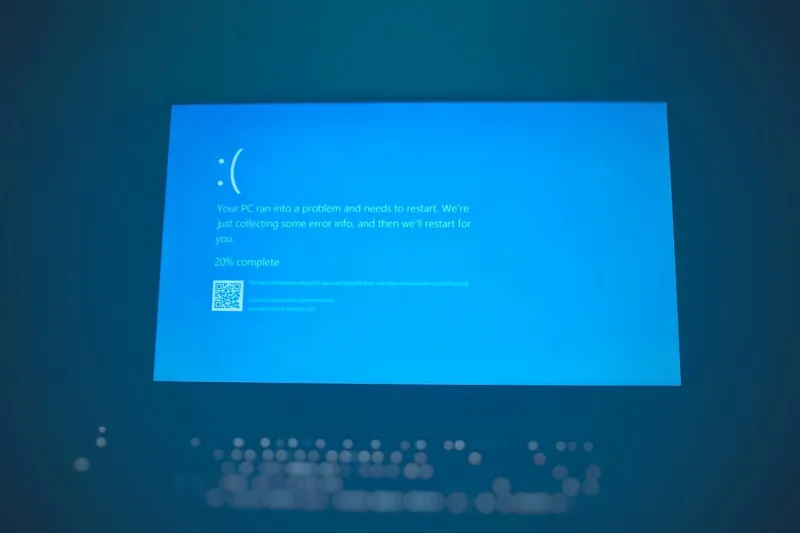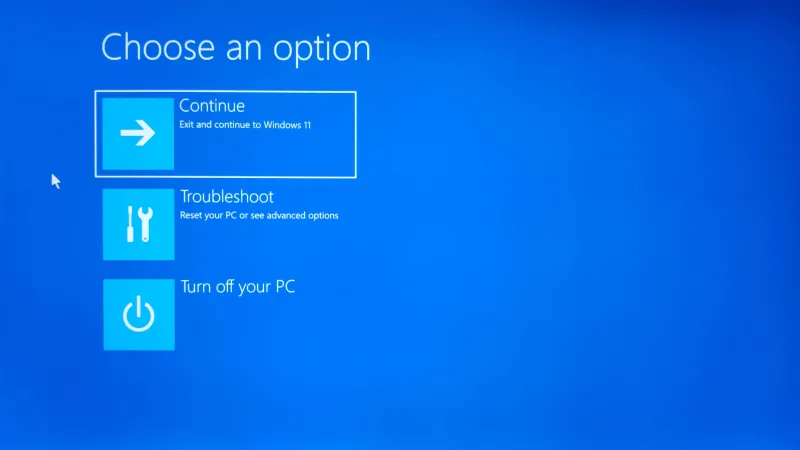
When my screen suddenly went cobalt‑black this spring, I felt the same mix of panic and curiosity that has haunted power users since the first “Stop error” appeared on CRT monitors decades ago. In 2026 the blue screen (or more accurately, the “Azure Stop” on Windows 12) is no longer a relic of outdated hardware; it’s a sophisticated alarm system that tells you something deep within the stack has tripped a safety net. As someone who spends as much time tweaking BIOS settings as I do writing code, I’ve learned to read those cryptic error codes like a language. The key is not just reacting to the crash, but understanding why it happened, how it fits into the broader health of the rig, and what preventive steps keep the dreaded “blue screen of death” from becoming a daily habit. In this post I’ll walk you through the anatomy of a modern BSOD, share the diagnostic tools that have saved me countless hours, and tie those lessons into the larger ecosystem of power‑user strategies that keep a machine humming in 2026.
Why the Blue Screen Still Exists in an Era of “Never‑Crash” Operating Systems
Even though Windows 12 touts “zero‑downtime” and AI‑assisted stability, the underlying architecture still relies on a kernel that must protect itself from catastrophic failures. When a driver misbehaves, memory becomes corrupted, or hardware sends unexpected signals, the kernel triggers a stop code to avoid data loss. What makes the modern BSOD different is the richness of information it provides—hexadecimal codes, memory addresses, and a link to a diagnostics hub that can be fed straight into cloud‑based analysis tools. However, that wealth of data is only useful if you know where to look. In 2026, the proliferation of specialized GPUs, high‑speed NVMe drives, and AI accelerators introduces more vectors for conflict than ever before. The lesson here is simple: a blue screen is not a sign that your computer is “old,” but a sign that a component is demanding attention, and that attention must be precise, timely, and informed by the latest power‑user playbooks.
Common Triggers: Drivers, Memory, and Overclocked Video Cards
In my experience, the top three culprits behind Azure Stops are driver incompatibilities, faulty RAM, and aggressive GPU overclocking. A recent driver update from a major GPU vendor, for instance, introduced a subtle timing bug that only manifested under heavy ray‑tracing loads. The result? Random BSODs that left my development environment in a frozen state. If you’re pushing your graphics card to the limits, the margin for error shrinks dramatically. The article Why Your Video Card Crashes and How to Fix It Every Time dives deep into those exact scenarios, showing you how to roll back drivers safely and calibrate clock speeds without sacrificing performance. Memory issues are equally sneaky—ECC‑enabled RAM can catch and report errors before they cascade, but non‑ECC kits will simply corrupt data and force the kernel to abort. Running a quick MemTest86+ after any blue screen can often pinpoint a failing module before it becomes a chronic problem.
Diagnosing the Crash: From Event Viewer to WinDBG and Cloud AI
The first step after a crash is to capture the dump file. Windows 12 automatically creates a minidump in the C:\Windows\Minidump folder, and you can configure it to generate a full memory dump if you prefer more detail. Open the file in WinDBG, a powerful debugger that lets you translate those cryptic hex codes into readable driver names and line numbers. Use the !analyze -v command to get a verbose report, then cross‑reference the offending driver with the manufacturer’s release notes. For power users, I recommend pairing WinDBG with the new cloud‑AI diagnostics service built into Windows 12—just upload the dump and let the AI suggest probable fixes based on a database of millions of prior crashes. This hybrid approach—human expertise guided by machine learning—has cut my troubleshooting time by roughly 60 % in the past year.
Staying Ahead with Firmware and BIOS Updates
While drivers get the most attention, firmware and BIOS updates are the silent guardians of system stability. A stale BIOS can misinterpret power‑state transitions, leading the kernel to believe a critical component has vanished—triggering an immediate stop. In 2026, many motherboard manufacturers now provide “smart” update utilities that can apply firmware patches without a full reboot, reducing downtime dramatically. However, you must still schedule periodic checks, especially after installing new hardware like an NVMe SSD or a PCIe‑based AI accelerator. The The Hardware Playbook Power Users Need to Dominate 2026 offers a concise checklist for maintaining firmware health, from verifying UEFI signatures to configuring secure boot parameters that prevent rogue code from executing at the kernel level.
Storage Matters: SSDs, HDDs, and the Role of Persistent Memory
Even though SSDs dominate the consumer market, hard drives still play a crucial role in certain power‑user workflows, especially when dealing with massive data sets that require tiered storage. A failing SSD can produce delayed write errors that the OS interprets as file system corruption, prompting an immediate BSOD. Conversely, a traditional spinning disk that begins to develop bad sectors can cause similar symptoms when the kernel attempts to read critical boot files. The article Why Hard Drives Still Matter for Power Users in 2026 explains how to balance speed and reliability by using a hybrid storage approach: place the OS and frequently accessed applications on an NVMe drive, while relegating archival and backup tasks to a robust 4‑TB enterprise HDD. Regular SMART monitoring and scheduled CHKDSK scans can catch early signs of degradation before they manifest as a blue screen.
AI‑Powered Diagnostics: The Next Frontier in Blue‑Screen Prevention
Artificial intelligence isn’t just a buzzword; it’s becoming a practical tool for preemptively spotting instability. In 2026, several AI‑driven utilities integrate directly with the Windows kernel to monitor telemetry such as temperature spikes, voltage fluctuations, and driver load patterns. When the AI detects an anomaly that matches a known failure signature, it can automatically throttle the offending component or roll back a driver before the system reaches a critical failure point. This proactive approach aligns with the broader trend highlighted in AI Computing Trends Every Power User Must Master, where predictive maintenance is replacing reactive troubleshooting. For power users, enabling these AI services adds a layer of defense that transforms the blue screen from a surprise event into a scheduled maintenance alert.
Building a Resilient Workflow: Backups, Restore Points, and Version Control
A robust workflow is your safety net when the inevitable crash occurs. First, enable automatic System Restore points before any major driver or BIOS update. Combine that with a reliable backup solution—whether it’s a local NAS with snapshot capability or a cloud‑based versioning service—to ensure you can roll back both OS state and personal data. For developers, integrating your codebase with a CI/CD pipeline that creates reproducible build environments can dramatically reduce the impact of a blue screen on productivity. The guide Future‑Proof Your Development Workflow: Strategies for 2026 Power Users outlines how containerization and automated testing can isolate hardware‑specific failures, letting you identify whether a crash stems from your code or the underlying platform.
Final Thoughts: Turning the Blue Screen into a Learning Opportunity
At the end of the day, the blue screen is a messenger—not a monster. By treating each stop code as a diagnostic clue, you gain deeper insight into how your hardware and software interact. Embrace the tools that Windows 12 offers, keep your firmware and drivers fresh, and leverage AI‑assisted monitoring to stay ahead of potential failures. When you combine these practices with the broader power‑user strategies outlined in posts like Unlocking the Full Potential of Windows 12 for Power Users, you’ll transform a dreaded crash into a moment of empowerment. So the next time your screen flashes azure, take a breath, pull up the dump file, and remember: every blue screen is an invitation to make your rig more resilient, faster, and smarter.