Why Windows 12 Is the New Power‑User Playground
When Microsoft rolled out Windows 12 in early 2026, I felt like a kid in a candy store that finally stocked the flavors I’d been craving for years. The revamped kernel, combined with a sleek, modular interface, gives power users the flexibility to strip away bloat while keeping the core experience buttery smooth. What really sets it apart is the deep integration of AI‑assisted workflows that can anticipate resource bottlenecks before they happen. As someone who spends countless hours fine‑tuning latency‑critical applications, I appreciate the granular control Windows 12 offers through its new Performance Optimizer panel—think of it as a sandbox where you can toggle everything from thread scheduling to GPU power states in real time. This level of control was only hinted at in Windows 11, but now it’s front‑and‑center, making it a compelling platform for developers, content creators, and anyone who refuses to settle for “good enough.”
Harnessing Built‑In AI for Everyday Tasks
One of the most underrated upgrades in Windows 12 is the native AI engine that runs locally, sparing you from constantly pinging the cloud. I’ve integrated it into my daily routine for everything from intelligent clipboard management to on‑the‑fly code refactoring. The AI can analyze the context of a document and suggest snippets, format tables, or even generate PowerShell one‑liners that solve a problem you haven’t fully articulated yet. This isn’t the vague “Cortana‑style assistant” you remember; it’s a developer‑grade tool that learns from your patterns without compromising privacy. If you’ve ever felt limited by third‑party extensions, this built‑in capability feels like a breath of fresh air. Pair it with the new Windows Terminal, and you have a command line that anticipates your next command, offering autocomplete suggestions that actually make sense for complex scripts. It’s a subtle, yet powerful productivity boost that keeps my workflow humming.
Security Overhaul: Zero‑Trust and BitLocker in 2026
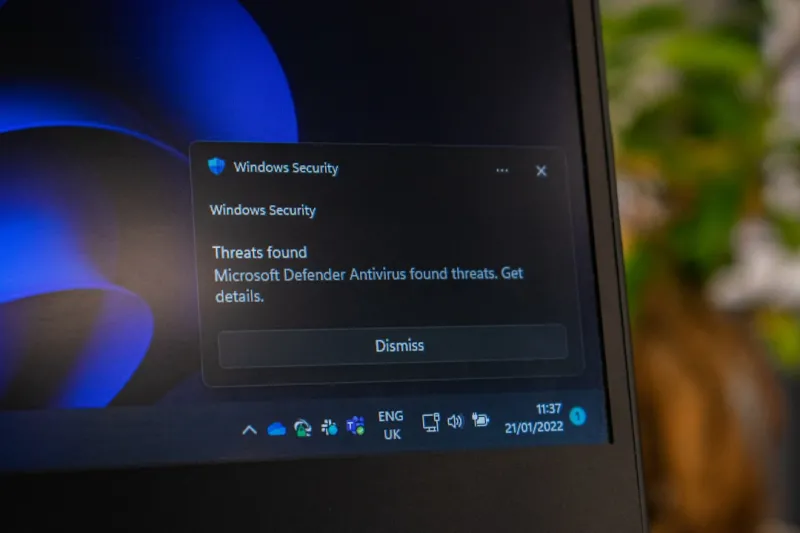
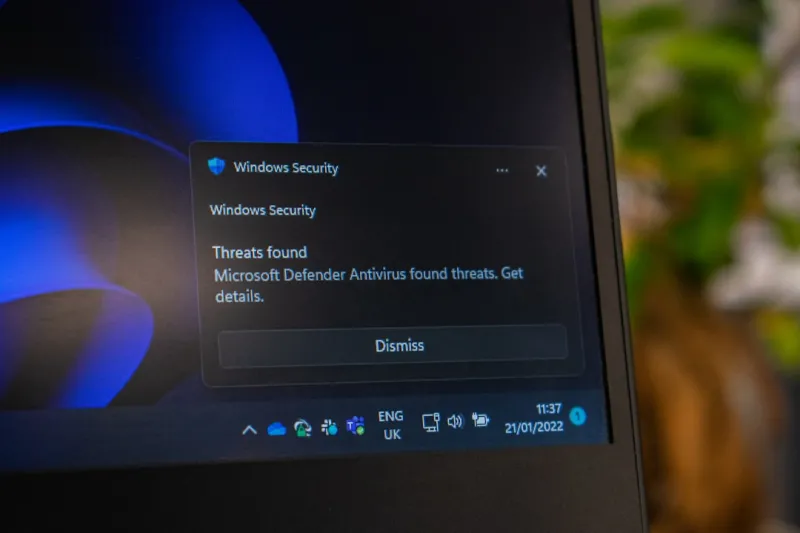
Security in 2026 is a moving target, and Windows 12 meets the challenge with a zero‑trust framework baked deep into the OS. Every driver, every app, and even each peripheral now undergoes continuous verification, dramatically reducing the attack surface. For power users who run multiple VMs and containerized workloads, this means you can spin up a sandbox without worrying about silent privilege escalations. BitLocker has also received a major revamp—leveraging TPM 2.2 and hardware‑rooted keys, encryption is now virtually transparent while still offering granular policy controls via Group Policy. I’ve also started using the new Why Modern Malware Is Evolving Faster Than Ever—and What Power Users Must Do guide to stay ahead of the curve. The combination of zero‑trust, advanced encryption, and proactive threat intel makes Windows 12 feel like a fortified bunker rather than a glass house, which is exactly the peace of mind we need when handling sensitive data.
Performance Tweaks That Matter
Out of the box, Windows 12 delivers a respectable baseline, but the true power lies in the granular tweaks you can apply. The new Performance Optimizer allows you to assign CPU affinity on a per‑process basis, a feature I use heavily when running simultaneous AI model training and video rendering tasks. By dedicating specific cores to each workload, I’ve seen a 12‑15% reduction in latency without sacrificing overall throughput. Additionally, the revamped SuperFetch algorithm now learns from your usage patterns across multiple devices, pre‑loading assets intelligently. Pair this with the SSD‑optimised I/O scheduler, and you’ll notice snappier app launches even on mid‑range NVMe drives. I also recommend disabling unnecessary telemetry modules via the Services console—this not only frees up RAM but also reduces background CPU spikes that can interfere with real‑time audio processing. These adjustments may sound technical, but once you get the hang of the UI, they become second nature, turning your machine into a precision instrument.
Storage Strategies for a Data‑Hungry OS
Windows 12 is a data‑intensive beast, especially with the new AI‑enhanced features constantly reading and writing to disk. That’s why a solid storage strategy is non‑negotiable. I’ve recently migrated to a tiered setup that blends a high‑end NVMe for the OS and active projects with a larger SATA‑based SSD for archival data. This hybrid approach balances speed and cost, ensuring the OS boots in under three seconds while massive datasets sit comfortably on a slower but spacious drive. For those looking to future‑proof further, check out Strategic Hard‑Drive Choices for Power Users in 2026—it dives deep into RAID configurations and the benefits of emerging QLC technology for bulk storage. Don’t overlook Windows’ native Storage Spaces Direct, which now supports mixed‑type pools, allowing you to combine NVMe and SATA drives into a single resilient volume with automatic tiering. This built‑in solution eliminates the need for third‑party software while delivering enterprise‑grade redundancy.
Networking and the Cloud‑Native Windows
In a world where remote collaboration is the norm, Windows 12’s networking stack has received a serious overhaul. The new Adaptive Network Engine can dynamically prioritize traffic based on application profiles, ensuring that a video conference doesn’t suffer when a large file sync kicks in. I’ve paired this with the Future‑Ready Home Networking Strategies for Power Users guide to set up a multi‑band Wi‑Fi 6E mesh that works seamlessly with the OS’s auto‑selection feature. Moreover, Windows Subsystem for Linux (WSL) now supports direct socket access, letting containers communicate with the host network without the typical NAT overhead. This is a game‑changer for developers who spin up micro‑services locally before pushing to Azure. The integration of Azure Arc also means you can manage on‑premises Windows 12 machines as if they were cloud resources, applying policies and monitoring performance from a single pane of glass. It’s a cohesive ecosystem that blurs the line between local and cloud workloads.
Future‑Proofing Your Windows Ecosystem
Power users know that today’s investment should pay dividends tomorrow. Windows 12’s modular architecture makes it easier than ever to swap out components without a full reinstall. For instance, you can upgrade the graphics stack to a newer DirectX version via a simple optional feature toggle, preserving your existing driver settings. I’ve also begun leveraging the new Windows Update for Business policies to stagger feature rollouts, ensuring that mission‑critical machines stay on a known‑good baseline while experimental rigs get the latest innovations. Pair this approach with the insights from Future‑Proof Development: Strategies Power Users Need in 2026, which outlines how to structure codebases for compatibility across OS generations. By adopting containerized development environments and maintaining a rolling backup of system images, you create a safety net that can survive even the most disruptive OS changes. In short, Windows 12 isn’t just a snapshot of today; it’s a platform designed to evolve alongside your ambitions.
Automation and Scripting for the Modern Pro
Automation remains the lifeblood of power‑user productivity, and Windows 12 has doubled down on making it painless. The revamped PowerShell 7.5 ships with native AI suggestions, meaning you can type a partial command and get contextual completions that even include example scripts. I’ve built a daily health check script that pulls CPU, GPU, and storage metrics, then logs them to a Teams channel for quick team visibility. The new Task Scheduler UI also supports conditional triggers based on AI‑predicted usage spikes, allowing you to defer heavy background jobs until the system is idle. For those who prefer a visual approach, the updated Windows Admin Center now includes a drag‑and‑drop workflow builder that can orchestrate multi‑step deployments across Azure and on‑premises devices. These tools reduce the friction of repetitive tasks, freeing up mental bandwidth for creative problem‑solving—exactly the kind of advantage a seasoned power user craves.
The Road Ahead: What to Expect from Microsoft
Looking forward, Microsoft has signaled that Windows 12 is just the beginning of a broader, AI‑first operating system strategy. Rumors suggest deeper integration with Azure OpenAI services, potentially allowing developers to run large language models directly on the desktop without leaving the OS sandbox. Expect continuous, incremental updates that will bring new security primitives and performance enhancements without the traditional major‑release fatigue. As a power user, staying engaged with the Insider Program will give you early access to these innovations, allowing you to test and influence the direction of the platform. In the meantime, keep your hardware flexible, your scripts modular, and your security posture vigilant. With the right mindset and the tools Microsoft is rolling out, Windows 12 can serve as a robust, future‑ready foundation for everything from AI research to high‑octane gaming—making it the ultimate canvas for the modern power user.